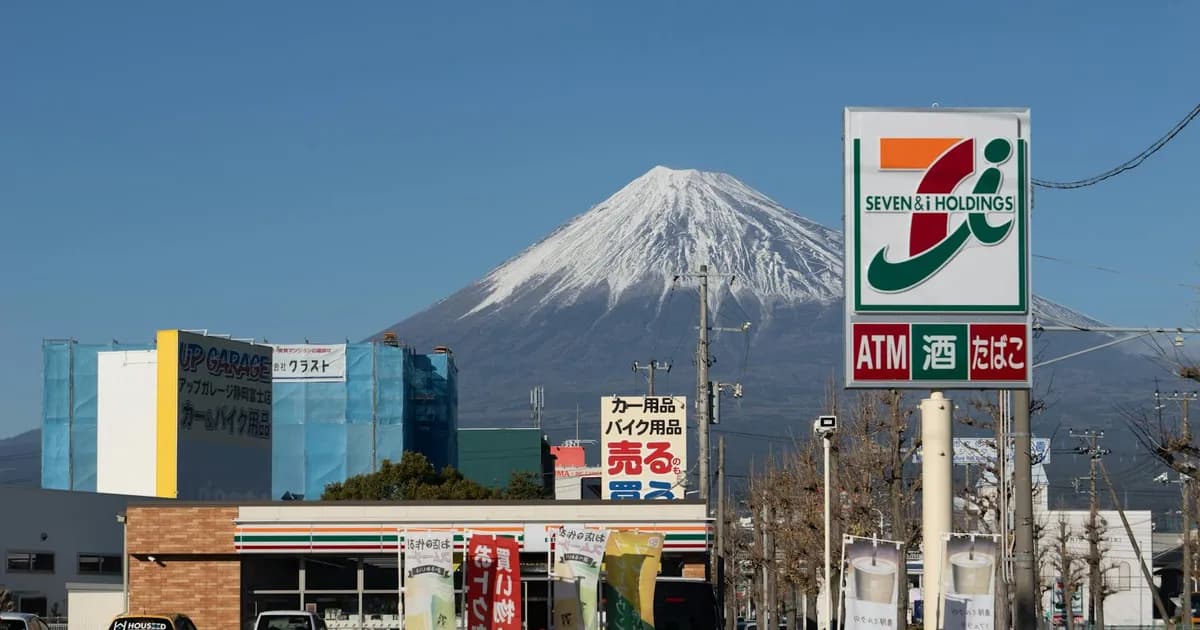
I Climbed Mt Fuji at Night and Regretted Nothing
The Mt Fuji summit is accessible from early July to early September, costs ¥30,000-50,000 ($200-330) total, and takes 10-14 hours round trip. Most people climb at night for sunrise (goraiko), which looks amazing in photos but means you're stumbling up volcanic rocks in the dark with 3,000 other headlamps. I've done it twice—once the "Instagram way" and once during daylight. This guide tells you which approach won't make you hate yourself.
Mt Fuji Quick Facts (Read This First)
| Category | Reality Check |
|---|---|
| Best Time | Mid-July to early September only (mountain huts open) |
| Total Cost | ¥30,000-50,000 ($200-330) including transport, hut, gear |
| Climbing Time | 5-7 hours up, 3-5 hours down |
| Difficulty | ★★★☆☆ Fitness matters more than skill |
| Altitude Sickness Risk | High (3,776m/12,389ft summit) |
| WiFi at Summit | Absolutely not. Some huts have weak signal. |
| Skip If... | You hate crowds, can't handle cold, or think "it's just a hike" |
Gear for This Trip
Waterproof, shockproof, idiot-proof. Capture everything.
Hands-free, pickpocket-proof, fits phone + wallet + keys.
Late nights drain batteries fast. Stay charged till last call.
Stays hydrated, rolls up to nothing when empty.
As an Amazon Associate I earn from qualifying purchases.
Mt Fuji Quick Facts (Read This First)
| Category | Reality Check |
|---|---|
| Best Time | Mid-July to early September only (mountain huts open) |
| Total Cost | ¥30,000-50,000 ($200-330) including transport, hut, gear |
| Climbing Time | 5-7 hours up, 3-5 hours down |
| Difficulty | ★★★☆☆ Fitness matters more than skill |
| Altitude Sickness Risk | High (3,776m/12,389ft summit) |
| WiFi at Summit | Absolutely not. Some huts have weak signal. |
| Skip If... | You hate crowds, can't handle cold, or think "it's just a hike" |
💡 Pro tip: Download offline maps on MAPS.ME before you go. Cell service dies around Station 7, and you'll need to navigate in the dark if doing night climb.
The official Mt Fuji climbing site has real-time trail conditions, but it's updated in Japanese first—English version lags by a day.
The Four Routes to Mt Fuji Summit (Honest Rankings)
For mt fuji summit, all routes lead to the same Mt Fuji summit crater, but the experience differs wildly.
📍 Related: 5 Days in Tokyo? I Wasted Day 3 (Use This Instead)
| Route | Start Elevation | Climb Time | Difficulty | Crowd Level | My Rating |
|---|---|---|---|---|---|
| Yoshida Trail (Yellow) | 2,305m | 6-7 hrs up | ★★★☆☆ | Insane (60% of climbers) | ★★★☆☆ |
| Fujinomiya Trail (Blue) | 2,400m | 5-6 hrs up | ★★★★☆ | Heavy (25%) | ★★★★☆ |
| Subashiri Trail (Red) | 2,000m | 6-7 hrs up | ★★★☆☆ | Moderate | ★★★★★ |
| Gotemba Trail (Green) | 1,440m | 7-8 hrs up | ★★★★★ | Light (masochists only) | ★★☆☆☆ |
Yoshida Trail: The Tourist Highway
Where it starts: Fuji Subaru Line 5th Station (accessible from Kawaguchiko)
This is the Mt Fuji trekking route everyone does because it's easiest to reach from Tokyo. The trail is well-marked, has the most mountain huts (17 total), and feels like a conga line during peak season.
The good: You could do this climb drunk (don't). Infrastructure is everywhere—vending machines until Station 7, English-speaking staff, even a clinic at Station 8.
The bad: You're literally queuing to reach the Mt Fuji summit during sunrise hours. I waited 45 minutes at the final approach because the trail narrows and people stop to take photos. In August, expect to see 5,000+ climbers per night.
Cost breakdown:
- Bus from Shinjuku to 5th Station: ¥2,900 ($19) round trip
- Mountain hut (typical): ¥8,000-12,000 ($53-80)
- Walking stick + branding stamps: ¥1,500 ($10)
Fujinomiya Trail: The Steep Efficient One
Where it starts: Fujinomiya 5th Station (accessible from Mishima Station)
Shortest distance to the Mt Fuji summit but steepest average grade. This route shares the same descent path as ascent, which sucks when you're exhausted and dodging upward climbers.
Why I recommend it: You gain altitude faster, which means less time in the "boring middle" between Stations 6-8. The views of Suruga Bay are legitimately better than Yoshida's lake side.
Altitude warning: The rapid elevation gain kicks my ass every time. I felt lightheaded at Station 8.5 and had to slow down significantly.
Mount Fuji Official Info has GPS coordinates for each station.
Subashiri Trail: My Actual Favorite
Where it starts: Subashiri 5th Station (accessible from Gotemba Station)
This is the Mt Fuji ascent for people who hate crowds more than they hate extra climbing. The first third goes through actual forest (rare on Fuji), merges with Yoshida at Station 8, but has a separate descent route through volcanic sand fields.
The unique part: The descent is basically skiing down loose volcanic sand. You can "run" down in 90 minutes if your knees can handle it. I did it in 2 hours and passed people who started descending before me.
Cost: Slightly cheaper because fewer tourists = less price inflation. Hut beds run ¥7,000-10,000 ($47-67).
Gotemba Trail: For Bragging Rights Only
Starts lowest, takes longest, has fewest facilities. I did this once to prove something to myself. That something turned out to be "Alex is an idiot."
The only advantage: You see fewer people. Because sane people don't add 3 extra hours to an already brutal climb.
Night Climb vs Day Climb: I've Done Both
For mt fuji summit, the classic Mt Fuji summit strategy is: arrive afternoon → rest at hut → start climbing at 1-2am → reach summit for 4:30am sunrise → descend.
📍 Related: Don't Buy a JR Pass Until You Read This (Might Waste $280)
Why most people night climb:
- You see goraiko (sunrise from summit)
- You don't need hotel in valley
- Photos look sick
Why I now prefer day climbing:
- You actually see the mountain you're climbing
- Far fewer crowds (70% do night climb)
- You don't risk hypothermia at 3am
- Easier to pace yourself and spot altitude sickness symptoms
My Night Climb Experience (First Attempt)
Started at midnight from Station 8 hut. Temperature was 2°C (36°F) with 40km/h winds. My headlamp died at Station 9 (always bring backup). Reached Mt Fuji summit at 4:15am, waited with 400 frozen people for sunrise.
The sunrise: Worth it. Watching the shadow of Mt Fuji project across Japan while the sun breaks horizon is genuinely spiritual.
The cost: I was so exhausted I couldn't enjoy the summit. Altitude sickness + sleep deprivation + cold = I barely remember the descent.
My Day Climb Experience (Second Attempt)
Started 6am from Subashiri 5th Station. Reached Mt Fuji summit at 1pm, had lunch in the crater, descended by 5pm.
Pros: Could actually see the trail. Took better photos. Noticed when I was pushing too hard. Had energy to walk the full summit crater (90 minutes).
Cons: No goraiko flex for Instagram. Hotter during middle sections (but cold at summit still—bring layers).
💡 Pro tip: If you must do night climb, start from Station 8.5 instead of lower stations. You'll still get sunrise but cut the miserable dark section in half.
Real Costs: My Full Mt Fuji Summit Budget
For mt fuji summit, this is what I actually spent on my second (Subashiri day) climb in July 2025:
📍 Related: Don't Visit Tokyo's Onsen Until You Read This Guide
| Item | Cost (¥) | Cost ($) | Notes |
|---|---|---|---|
| Train Tokyo→Gotemba | ¥1,990 | $13 | JR Pass doesn't cover all sections |
| Bus Gotemba→Subashiri 5th | ¥1,540 | $10 | One way, runs July-Sept only |
| Mountain Hut (Optional) | ¥8,500 | $57 | Includes dinner + breakfast |
| Climbing Stick | ¥1,200 | $8 | Stamp brands ¥300-500 each station |
| Oxygen Can | ¥1,000 | $7 | Used half at 3,400m |
| Paid Toilet (×4) | ¥800 | $5 | ¥200 per use, bring coins |
| Snacks/Water at Stations | ¥2,400 | $16 | Water is ¥500/bottle above Station 7 |
| Return Bus + Train | ¥3,530 | $23 | - |
| Total | ¥20,960 | $139 | Without mountain hut: ¥12,460 ($83) |
Budget range:
- Cheapest possible (day climb, no hut): ¥10,000-15,000 ($67-100)
- Typical (night climb with hut): ¥30,000-40,000 ($200-265)
- Comfortable (guide service, gear rental): ¥60,000-80,000 ($400-530)
Hidden Costs Nobody Warns You About
Gear rental: If you don't have proper hiking boots, rain gear, and cold weather layers, rental shops at 5th stations charge ¥10,000+ ($67) for full kit. Check Yamarent for pre-booking or buy cheap gear at Decathlon Kawasaki (saved me ¥5,000).
Summit post office: ¥200 postcards that you can only mail from Japan's highest post office. I bought five. This is a scam I willingly participate in every time.
Climbing certificate: ¥1,000 at summit office. Literally just a printed paper. I bought it anyway.
What to Pack (From Someone Who Packed Wrong First)
Essential Gear Checklist
Clothing (it's COLD up there, even in August):
- Base layers (moisture-wicking, not cotton)
- Fleece or down jacket
- Windproof/waterproof shell (weather changes in 10 minutes)
- Gloves (my fingers went numb at summit in July)
- Warm hat
- Hiking boots (ankle support matters on volcanic rock)
- Gaiters (optional but volcanic dust gets everywhere)
Equipment:
- Headlamp + backup batteries (even for day climb—delays happen)
- Walking poles (knees will thank you on descent)
- Sunglasses + sunscreen (UV is brutal above clouds)
- Cash (minimum ¥5,000 in coins—toilets, huts, stamps)
- Water (2L minimum, refill at huts for ¥500/L)
- High-calorie snacks (altitude kills appetite but you need fuel)
Medical:
- Altitude sickness meds (Diamox if prescribed)
- Pain relievers (headache is common)
- Bandaids/blister treatment
- Personal meds (no pharmacy for 8+ hours)
Amazon Japan has Mt Fuji gear bundles that include most essentials for ¥15,000—cheaper than renting if you'll use them again.
💡 Pro tip: Pack a trash bag. You're required to carry all trash down (including toilet paper if you go off-trail—don't). Rangers check sometimes.
What I Packed But Didn't Need
- Trekking sandals for hut (wore socks instead)
- Three extra shirts (one base layer + one warm layer enough)
- Full rain pants (shell pants with rain cover worked fine)
- Book for hut time (was unconscious within 5 minutes of lying down)
What I Wish I'd Brought
- Earplugs (mountain huts are 40-person snore festivals)
- Sleeping bag liner (hut bedding is... communal)
- Electrolyte packets (plain water at altitude isn't enough)
- Better camera (phone died in cold)
Hour-by-Hour: What Climbing Mt Fuji Actually Feels Like
For mt fuji summit, this timeline is based on my Subashiri day climb. Adjust by 1-2 hours for other trails.
5:30am - Subashiri 5th Station (2,000m)
Temperature: 15°C (59°F). Clear sky. About 30 other climbers starting early.
I did 20 minutes of stretching and ate a rice ball. The lodge staff look at day climbers like we're slightly crazy—most people here are finishing pre-climb prep the night before.
First hour: Forest trail. Actual trees. Birds. This is the only route where Mt Fuji climbing feels like hiking instead of industrial ascent. Grade is gentle, I'm passing slower groups easily.
7:00am - Station 6 (2,390m)
First bathroom stop (¥200). First "am I really doing this?" moment. The forest ends here. From now on, it's volcanic rock and dust.
Trail gets steeper. I'm already breathing harder than seems reasonable for this grade. This is altitude starting to work.
9:00am - Station 7 (2,740m)
Merged with Yoshida Trail climbers. Crowd density suddenly 3x. This is where the Mt Fuji summit grind really begins—switchbacks on loose rock, every step up feels like 1.5 effort units.
Mistake I made here: Didn't eat enough. By Station 8, I was lightheaded. Altitude suppresses appetite but you burn 400-500 calories per hour climbing. Force yourself to eat every hour.
11:30am - Station 8.5 (3,400m)
Took a 30-minute break at a mountain hut. Bought overpriced ramen (¥1,000) that tasted like heaven. Oxygen levels noticeably lower—I felt mildly drunk.
Altitude check: Headache building. Drank 500ml water, took ibuprofen, waited until headache dulled before continuing. Do NOT push through altitude sickness symptoms.
1:00pm - Mt Fuji Summit (3,776m)
Final approach is steep, rocky, and crowded even during day. But then—torii gate, summit marker, and the sudden realization that you're standing on Japan's highest point.
Temperature: 4°C (39°F) with wind. I'm wearing every layer.
The crater: Walking the full summit rim takes 90 minutes. Most people skip this because they're destroyed from night climb. This is where day climbing pays off—I had energy to see the actual volcanic crater, highest point (Kengamine Peak), and summit shrine.
2:30pm - Starting Descent
This is where Subashiri's sand run begins. The descent trail splits off and becomes loose volcanic sand. You can basically jog/slide down.
My knees: Regretted the aggressive pace by Station 7. Descent is harder on joints than ascent. Walking poles saved me.
5:00pm - Back at 5th Station
Total time: 11.5 hours including breaks. Legs felt like jelly. Face covered in volcanic dust. Immediately bought three beers from vending machine.
The bus back down had zero conversation—just 30 zombies in hiking gear.
Altitude Sickness: The Thing That Might Ruin Your Climb
48% of Mt Fuji climbers experience some altitude sickness symptoms. I've had mild cases both times. Here's what I learned:
Symptoms I Actually Experienced
- Mild (2,500-3,000m): Slight headache, feeling out of breath disproportionate to effort
- Moderate (3,000-3,500m): Stronger headache, mild nausea, weird dreams in hut
- Concerning (3,500m+): Dizziness, confusion, loss of appetite
Red flags to descend immediately: Severe headache that doesn't respond to meds, vomiting, loss of coordination, confusion.
What Actually Helps
Acclimatization: The recommended approach is climb high, sleep low. Spend a night at Station 7-8 (not 5th Station—still need altitude exposure). This is why night climbers have an advantage—forced rest period mid-climb.
Pacing: The Japanese climbing mantra is "yukkuri, yukkuri" (slowly, slowly). I was passing people on the way up. Half of them passed me back because I gassed out. Sustainable pace beats fast pace every time.
Hydration: Drink 4-5 liters during the full climb. Your body loses water faster at altitude. I peed once in 11 hours and it was dark yellow—I was dehydrated despite drinking constantly.
Diamox: Altitude sickness medication. I didn't use it but several climbers I met swore by it. Get prescription before trip—not available over-counter in Japan.
💡 Pro tip: The "one breath per step" rule applies above 3,500m. Literally breathe in, step. Breathe out, step. Feels ridiculous but it works.
Mountain Huts: What Sleeping at 3,000m Is Really Like
For mt fuji summit, if you're doing the traditional night climb to reach Mt Fuji summit for sunrise, you'll need to book a mountain hut.
Hut Booking Reality
Reservation required July-August: Huts fill up weeks in advance for weekends. Book through official hut booking site or individual hut websites.
Cost: ¥8,000-12,000 ($53-80) typically includes:
- Sleeping spot (shared futon platform, 40-60 people per room)
- Dinner (curry rice usually)
- Breakfast (rice, miso soup, small sides)
- Hot tea/water
What it doesn't include:
- Privacy (you're sleeping literally shoulder-to-shoulder)
- Shower (there are none above 5th Station)
- Quiet (snoring symphony + people leaving at midnight)
- Comfort (thin futon on wooden platform)
My Hut Experience
Stayed at Taishikan (Station 8, Yoshida Trail) in 2024. Arrived 4pm, got futon space assignment (numbered, like airplane boarding). Dinner was 5pm—basic but hot food at 3,100m tastes incredible.
Sleep: Impossible. Even with earplugs. People start waking up at 11pm to prepare for midnight departures. By 1am, half the room is packing. I got maybe 2 hours of broken sleep.
Morning: Wake-up call at 4am (if you somehow slept), quick breakfast, start climbing by 4:30am to reach summit by 6am.
Hut vs No Hut Strategy
Skip the hut if:
- You're doing day climb (my recommendation)
- You can sleep in car at 5th Station parking (allowed)
- You're fit enough for 10+ hour continuous push
Book the hut if:
- You must see goraiko (sunrise)
- You're not confident in your endurance
- You want the "traditional" experience (worth doing once)
My honest take: The hut experience is worth doing once for the cultural aspect. But day climbing is more enjoyable.
Best Time to Climb (Month-by-Month Reality)
Official Climbing Season: July 1 - September 10
Outside these dates, mountain huts are closed, weather is dangerous, and rescue services are limited. People still climb off-season but you need winter mountaineering gear and experience.
July (Early Season):
- Huts opening early July (exact dates vary by route)
- Snow patches still possible above 3,000m
- Fewer crowds early month
- Rainy season might overlap (bring good rain gear)
- Best for: Experienced hikers who want fewer people
August (Peak Season):
- Warmest temperatures (relatively—still cold at summit)
- Most crowds (avoid Obon week: August 13-16)
- All facilities fully operational
- Best weather probability
- Best for: First-timers, families, anyone wanting maximum support
September (Late Season):
- Crowds drop significantly after first week
- Weather becomes unpredictable
- Huts start closing early September
- Earlier sunrises (less dark climbing time)
- Best for: Experienced climbers wanting solitude
My Recommendation
Last week of July or first week of September. You get reasonable weather, operational huts, but avoid the August madness. I've climbed during peak August and it genuinely diminished the experience—constant queuing, overcrowded huts, trampled trails.
💡 Pro tip: Check the Japan Meteorological Agency Mt Fuji forecast three days before. If it shows sustained rain or high winds, reschedule. The mountain isn't going anywhere.
Getting to Mt Fuji Trailheads (Every Route)
Yoshida Trail Access (From Tokyo)
Option 1: Direct Highway Bus (Easiest)
- Shinjuku Station → Fuji Subaru Line 5th Station
- Cost: ¥2,900 ($19) round trip
- Time: 2.5 hours
- Company: Fujikyu, Keio
- Runs: Late June - early September only
- Book: Fujikyu Bus Official
Option 2: Train + Bus (Flexible)
- Shinjuku → Kawaguchiko (Limited Express Fuji Excursion: ¥4,130, 2h)
- Kawaguchiko Station → 5th Station (bus: ¥1,570 one-way, 50min)
- Total: ¥5,700 ($38) one-way
- Advantage: Can stay overnight in Kawaguchiko before/after
Fujinomiya Trail Access
From Tokyo:
- Shinkansen to Mishima Station (¥4,070, 1h)
- Bus to Fujinomiya 5th Station (¥2,300, 2h 20min)
- Total: ¥6,370 ($42) one-way
Subashiri Trail Access
From Tokyo:
- Odakyu Line to Shin-Matsuda (¥630, 1h)
- Gotemba Line to Gotemba Station (¥770, 45min)
- Bus to Subashiri 5th Station (¥1,540, 50min)
- Total: ¥2,940 ($19) one-way
This is the cheapest trailhead access from Tokyo, which is why I prefer it beyond the crowd benefits.
Training: Do You Need To Prepare?
Short answer: Yes, unless you already hike regularly.
Long answer: Mt Fuji climbing isn't technically difficult—there's no scrambling or climbing—but it's a 10-14 hour endurance test at altitude. Your cardio matters more than hiking experience.
Minimum Fitness Level
You should be able to:
- Walk 5+ hours continuously without stopping
- Climb 15+ flights of stairs without gasping
- Carry 5-7kg pack for extended periods
If you can't do these, you'll still make it up (most people do), but you'll be miserable and slow.
My Training Plan (That Actually Worked)
I had two months before my first climb. Here's what I did:
Weeks 1-4:
- Stair climbing 3x/week (30 minutes, wearing weighted pack)
- Weekend day hikes (4-6 hours, gradually adding elevation)
Weeks 5-8:
- Increased pack weight to match planned gear (~7kg)
- One "long" hike per week (6-8 hours)
- Added altitude simulation (wearing elevation training mask during cardio—probably placebo but felt good)
Week before climb:
- Light activity only
- Focused on sleep and hydration
Results: First climb felt hard but manageable. Second climb (less training but more experience) felt easier because I paced better.
If You're Short on Time
Two weeks of stair training is bare minimum. Do 45 minutes every other day. Use a backpack with weight. Your legs need to know what sustained climbing feels like.
What Sucks About Climbing Mt Fuji (The Honest Part)
For mt fuji summit, every guide glorifies this experience. Here's what actually sucks:
The Crowds
During peak August, the Mt Fuji summit trail is a vertical highway. You're breathing in dust kicked up by 50 people ahead of you. The final approach becomes a queue. This isn't wilderness—it's Disneyland with altitude sickness.
Solution: Climb off-peak (early July or September) or choose Subashiri/Gotemba routes.
The Toilets
Pay toilets (¥200-300) are basically boxes with holes. Above Station 7, they're often out of paper. The smell is... evolutionary. There are no sinks. Hand sanitizer is mandatory.
The Monotony
Between Stations 6-9 is just switchbacks on volcanic rock for 4+ hours. There's no forest. No wildlife. Just dust and rocks and your own breathing. It's meditation if you're into that. It's boring if you're not.
The Cost Inflation
Water at 5th Station: ¥150. Water at Station 8: ¥500. Cup noodles: ¥1,000. Everything is helicoptered up, so prices reflect that, but it still stings to pay $7 for instant ramen.
The Altitude Lying
Every guide says "it's easy!" It's not easy. It's accessible to average fitness people who pace correctly, but 3,776m affects everyone. You will feel it. You might get headaches. You might vomit. This is normal.
The Post-Climb Soreness
My quads hurt for five days after each climb. Going downstairs backward was the only comfortable method for 48 hours. The descent destroys your legs more than the ascent.
Is Climbing Mt Fuji Actually Worth It?
Worth it once: ★★★★☆ (4/5)
Worth it multiple times: ★★★☆☆ (3/5)
There's a Japanese saying: "A wise person climbs Mt Fuji once. A fool climbs it twice." I've climbed twice, working on my third. Make of that what you will.
You Should Climb If:
- You want to say you stood on Japan's highest point (valid reason)
- You appreciate the cultural significance (Fuji is sacred)
- You enjoy challenging yourself physically
- You're willing to deal with crowds for unique experience
- You want legitimate bragging rights
Skip It If:
- You expect pristine wilderness (it's not)
- You hate crowds (they're unavoidable in season)
- You have serious altitude sensitivity
- You're looking for technical climbing (there is none)
- You think "it's just a hike" (it will hurt you)
What Makes It Worth It For Me
The Mt Fuji summit moment is genuinely special. You're standing on a volcano that's been climbed for 1,000+ years. The views stretch across Japan on clear days. Watching sunrise (if you time it right) is spectacular. And there's something primal about climbing a sacred mountain that millions have climbed before you.
But also: it's fucking hard. And crowded. And expensive. And you might feel sick.
I keep coming back because I like the challenge, not because it's pleasant. That's the truth nobody tells you.
💡 Related: Tokyo on $50/Day? I Tracked Every Yen (Real Numbers)
💡 Related: I Lived in 6 Tokyo Areas: Here's My Honest Ranking
💡 Related: 27 Well Known Places in Japan You Can't Skip (2026)
FAQ
Q. Can beginners climb Mt Fuji without a guide?
For mt fuji summit, yes, absolutely. The trails are well-marked, facilities are everywhere, and you'll see thousands of other climbers (impossible to get lost when you're in a queue). However, beginners should choose Yoshida Trail for maximum support, book a mountain hut for rest, and go during peak season (August) when rescue services are fully staffed. I did my first climb without a guide or prior experience and was fine—just took my time and listened to my body. That said, if you have zero hiking experience, consider a guided tour service for the first time.
Q. What happens if weather gets badFor mt fuji summit, during the climb?
Mt Fuji weather changes rapidly—clear mornings can become stormy afternoons. If severe weather hits, the most dangerous phase is above Station 8 where exposure is highest. All mountain huts will shelter climbers during storms (even non-guests), and rangers will close trails if winds exceed safe limits. I got caught in unexpected rain at Station 7 once—waited 90 minutes in a hut with 40 other climbers until it passed. Always check the JMA weather forecast before starting, and turn back if conditions deteriorate above Station 8. Pride isn't worth hypothermia.
Q. Is Mt Fuji summit harder than [other famous hike]?
Compared to other bucket-list climbs: easier than Kilimanjaro (less altitude, shorter duration), harder than Machu Picchu trail (steeper sustained grade), similar to Half Dome cables (endurance test vs technical challenge). The difficulty isn't technical—it's the combination of altitude, duration, and monotonous grade. If you've done multi-day backpacking, the Mt Fuji trekking will feel manageable. If your longest hike is 3 hours, you'll struggle. Simple benchmark: if you can hike 6+ hours continuously with 10kg pack, you're physically ready for Fuji.
Q. Do I really need mountain For mt fuji summit, hut reservation or can I just show up?
July-August weekends: Absolutely need reservation. Huts hit capacity and turn people away—I've seen climbers get rejected at 8pm with nowhere to go except descend or continue climbing exhausted. Weekdays in July or September: You might get walk-in spots but it's risky. If you're planning the traditional night climb with hut rest, book 3-4 weeks ahead minimum. Alternative: Do a day climb (my recommendation) and skip the hut entirely. Or sleep in your car at 5th Station parking lot (allowed, free, uncomfortable but hundreds dFor mt fuji summit, o it).
Q. What's the actual risk of dying on Mt Fuji?
Let's be real: about 3-4 deaths per year out of 300,000+ climbers (0.001% fatality rate). Causes are usually heart attacks (pre-existing conditions + altitude + exertion), falls during off-season attempts, or hypothermia from getting caught unprepared in bad weather. For perspective, it's statistically safer than driving to the mountain. The bigger risk is injury—sprained ankles from loose rock, altitude sickness requiring evacuation, or exhaustion. Climbing during official season, with proper gear, at reasonable pace, staying hydrated: you'll be fine. The mountain is not technically dangerous; people make it dangerous through poor decisions.
Final Budget Breakdown (Subashiri Day Climb)
| Item | Cost |
|---|---|
| Round-trip transport (Tokyo) | ¥7,060 ($47) |
| Climbing stick + stamps | ¥1,500 ($10) |
| Food & water on mountain | ¥2,400 ($16) |
| Toilet fees | ¥800 ($5) |
| Oxygen can (optional) | ¥1,000 ($7) |
| Total Day Climb | ¥12,760 ($85) |
| Add mountain hut (if night climb) | +¥8,500 ($57) |
| Add gear rental (if needed) | +¥10,000 ($67) |
| Total Night Climb (Worst Case) | ¥31,260 ($208) |
The Mt Fuji summit is 3,776 meters of vertical grind, cultural significance, and questionable decision-making. I've done it twice and I'm planning a third. That should tell you everything about whether it's worth it.
Just don't expect it to be easy. Or comfortable. Or uncrowded. Expect it to be hard, expensive, and memorable. That's the real Mt Fuji experience.