27 Well Known Places in Japan You Can't Skip (2026)
Japan has 27 places you've seen a thousand times on Instagram, and yeah, most of them are worth the hype. Here's every well known place in Japan that matters, with real costs and what to skip.
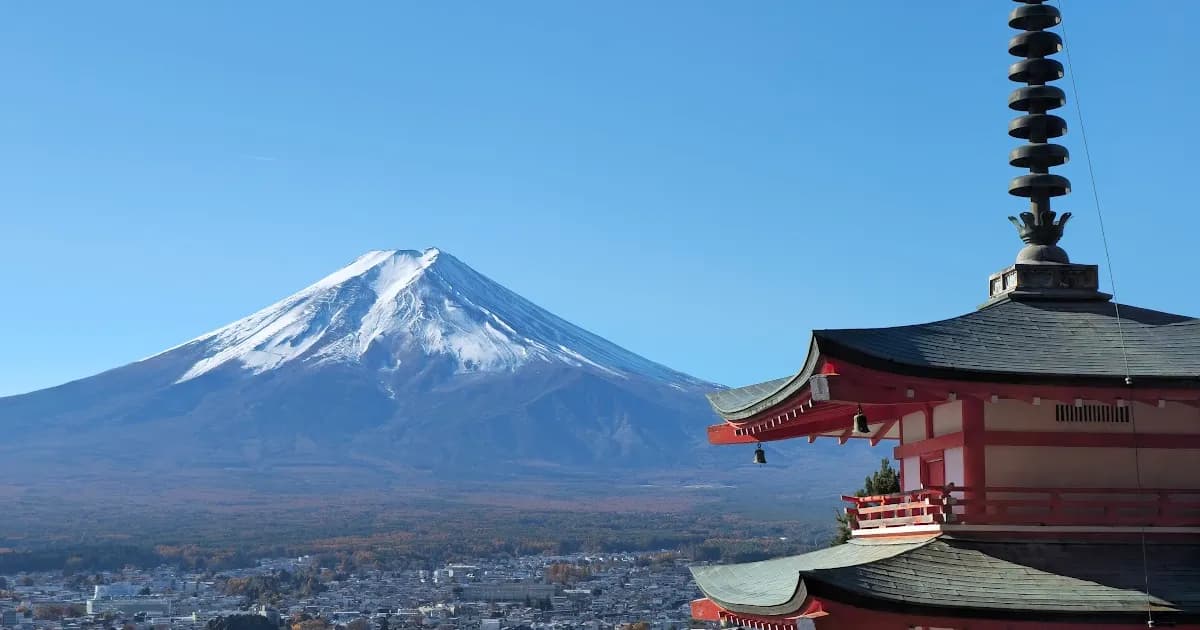
1. Mount Fuji (Fujisan) — ★★★★★
What: Japan's most iconic mountain, visible from Tokyo on clear days, climbable July-September.
📍 Related: 5 Days in Tokyo? I Wasted Day 3 (Use This Instead)
Where: Yamanashi/Shizuoka Prefecture, 2 hours from Tokyo by bus.
How long: Day trip for views, 2 days for summit climb.
The most photographed mountain in Asia. From Tokyo, take the highway bus to Kawaguchiko (¥2,000, 2.5 hours) for the classic postcard view. Climbing season is brutally short—July 1 to September 10—and the summit attempt takes 5-7 hours up, 3-4 down.
Real costs: Bus to Kawaguchiko ¥2,000 | Mountain hut ¥8,000-10,000 | Climbing gear rental ¥3,000 | Sunrise tour from Tokyo ¥15,000 (check tours)
💡 Pro tip: Don't climb on weekends in August. It's a conga line of 3,000+ people. Wednesday or Thursday in early September = empty trails and better weather.
Gear for This Trip
Perfect city daypack. Fits laptop, water bottle, and snacks without bulk.
All-day exploring needs all-day battery. Compact and fast-charging.
Block out subway noise, enjoy podcasts between stops.
Phone cameras are good. This is better — fits in your pocket.
As an Amazon Associate I earn from qualifying purchases.
2. Fushimi Inari Shrine, Kyoto — ★★★★★
What: 10,000 vermillion torii gates winding up a mountain. The reason you bought that plane ticket.
📍 Related: Don't Buy a JR Pass Until You Read This (Might Waste $280)
Where: Southern Kyoto, 5 minutes from Inari Station (JR Nara Line).
How long: 2-3 hours for full loop, 45 minutes for Instagram shots.
This is the well known place in Japan that actually exceeds expectations. Free entry, open 24/7. The main path takes 2-3 hours round-trip to the summit, but 90% of tourists turn back after 20 minutes—which means you get the mystical forest-temple vibe if you just keep walking.
Real costs: Train from Kyoto Station ¥140 | Summit vending machine coffee ¥150 | Donation at shrine: whatever
💡 Pro tip: Go at 6am or 6pm. The light is better, it's empty, and you won't be sweating through your shirt by gate 47. Early morning in winter = occasional snow on gates = chef's kiss.
3. Shibuya Crossing, Tokyo — ★★★☆☆
What: The world's busiest pedestrian crossing. 2,500 people cross every light cycle.
📍 Related: Don't Visit Tokyo's Onsen Until You Read This Guide
Where: Shibuya Station, Tokyo. Exit and you're there.
How long: 20 minutes unless you're filming TikToks.
It's a crossing. With a lot of people. That's it. But yeah, you should see it once because it's objectively impressive and the surrounding area (Shibuya shopping, nightlife) justifies the trip.
Real costs: Free to cross | Starbucks viewing spot: ¥600 latte | Shibuya Sky observation deck: ¥2,000 (book skip-line)
💡 Pro tip: View it from Magnet by Shibuya109 rooftop (free) instead of fighting for Starbucks seats. Better angle, no obligation to buy overpriced coffee.
4. Tokyo Skytree — ★★★☆☆
What: 634-meter tower, tallest structure in Japan, great views if weather cooperates.
Where: Sumida, Tokyo. 5 minutes from Oshiage Station.
How long: 1.5 hours including queue and observation time.
On clear days, you can see Mt. Fuji from the 450m observation deck. On average days, you see grey haze. Check weather forecasts obsessively before buying tickets.
Real costs: Tembo Deck (350m) ¥2,100 | Tembo Galleria (450m) ¥3,100 | Fast-track ticket ¥4,500 (book here)
💡 Pro tip: Tokyo Metropolitan Government Building observation deck in Shinjuku is free and 80% as good. Save your ¥3,100 for actual ramen.
5. Arashiyama Bamboo Grove, Kyoto — ★★★★☆
What: Towering bamboo forest that looks like a Studio Ghibli movie.
💡 Related: Japan Travel Brochures Are Useless (Plan This Way Instead) is hot, humid, and typhoon-prone—skip if you caFor well known places in japan, n.
Q. Can I visit these places without speaking Japanese?
Absolutely. Major tourist spots have English signage, train stations have English announcements, and Google Maps works perfectly. Download Google Translate's offline Japanese pack for emergencies. You'll struggle more in rural areas like Takayama or Shirakawa-go, but gesturing and phone translators get you 90% of the way.