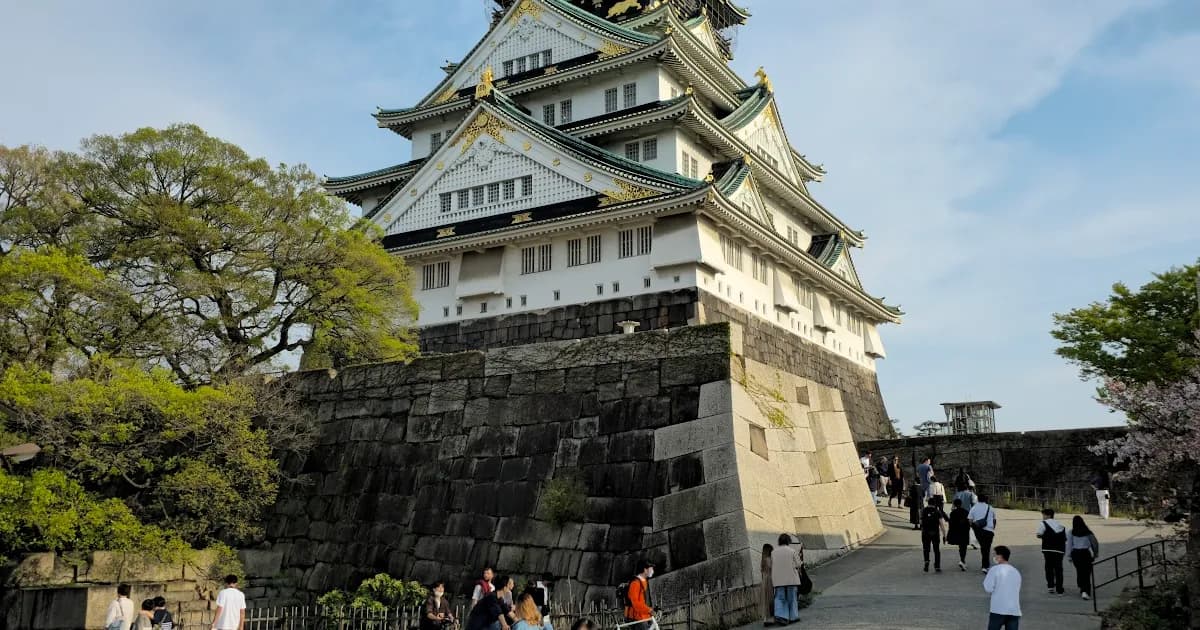
Best Onsen Near Osaka: I Tried 12 (Skip These 3)
After a decade living in Osaka, I've soaked in more onsens than I can count. Some were worth every yen. Others? Tourist traps with overpriced entry fees and crowded pools.
Here's my honest ranking of the best onsen near Osaka, sorted by distance, with prices, train routes, and which ones you should skip. If you've got limited time in Kansai, this list will save you from wasting a day on mediocre hot springs.
The Quick Verdict: Top 3 by Distance
| Onsen | Distance | Travel Time | Entry Cost | My Rating | Best For |
|---|---|---|---|---|---|
| Arima Onsen | 30 km | 60 min | ¥650-2,500 | ★★★★☆ | Day trips, historic atmosphere |
| Kinosaki Onsen | 150 km | 2.5 hours | ¥800-1,200 | ★★★★★ | Overnight, multiple baths, yukata strolls |
| Kurama Onsen | 45 km | 90 min | ¥2,500 | ★★★★☆ | Nature views, rotenburo (outdoor bath) |
My honest take: If you've only got one day, go to Arima Onsen. It's the closest and most historic. If you can spare a night, Kinosaki Onsen is hands-down the best onsen experience near Osaka — seven public baths, traditional ryokan streets, and the full yukata-and-geta experience.
💡 Pro tip: Avoid weekends at Arima. It gets flooded with Osaka day-trippers. Go on a Tuesday or Wednesday morning for empty baths.
Gear for This Trip
The only daypack you need. Lightweight, durable, fits everything.
Packing cubes that changed how I travel. Essential for multi-city trips.
Best noise cancelling earbuds for flights and loud restaurants.
Hard shell, spinner wheels, fits every overhead bin. No checked bags.
As an Amazon Associate I earn from qualifying purchases.
What Makes a Good Onsen (After 10 Years Here)
For best onsen near osaka: i tried 12 (skip these 3), before we dive in, here's what actually matters when choosing the best onsen near Osaka:
Water quality matters more than facilities. Japan categorizes onsen by mineral content — look for 金泉 (kinsen, "gold spring") or 銀泉 (ginsen, "silver spring"). These aren't marketing terms; they indicate actual therapeutic minerals.
Rotenburo (outdoor baths) beat indoor baths. There's something about soaking in 42°C water while watching snow fall on cedar trees. Indoor-only onsens feel like glorified public baths.
Tattoo policies are still strict. Most traditional onsens near Osaka still ban tattoos outright. I'll note which ones are tattoo-friendly below, but expect to use private kashikiri baths (family baths you rent by the hour) if you're inked.
"Near Osaka" is relative. I'm including anything within 2.5 hours by train. That's the range where day trips make sense. Beyond that, you're better off planning an overnight stay.
1. Arima Onsen (有馬温泉) — The Classic Day Trip
Distance from Osaka: 30 km | Travel time: 60 minutes | Cost: ¥1,750 round-trip train + ¥650-2,500 entry
Arima Onsen is Japan's oldest hot spring resort, dating back 1,300 years. It's tucked in the mountains behind Kobe, with two types of water: kinsen (rust-colored, iron-rich) and ginsen (clear, radioactive — yes, that's therapeutic).
How to get there: Take the Hankyu Kobe Line from Osaka-Umeda to Kobe-Sannomiya (30 min, ¥320), then transfer to the Kobe Electric Railway to Arima-Onsen Station (30 min, ¥550). The Kobe Electric Railway also offers a day pass (¥2,000) that includes round-trip rail and entry to one public bath.
Best baths:
- Kin-no-Yu (金の湯) — ¥650, kinsen water, small but authentic. This is the one locals actually use.
- Gin-no-Yu (銀の湯) — ¥550, ginsen water, slightly larger, less crowded.
- Taiko-no-Yu (太閤の湯) — ¥2,500, massive spa complex with 26 baths, saunas, foot baths. Touristy but worth it if you want variety.
My rating: ★★★★☆
Skip this if: You hate crowds. Weekends turn Arima into a Disneyland of onsen tourists. The streets are nice but packed. Go on a weekday or don't bother.
💡 Pro tip: The free ashiyu (足湯, foot bath) next to Kin-no-Yu is actually kinsen water. If you're broke or short on time, soak your feet for 15 minutes while eating a nikuman (meat bun) from the 7-Eleven across the street. It's more relaxing than the crowded indoor baths.
2. Kinosaki Onsen (城崎温泉) — The Gold Standard
Distance from Osaka: 150 km | Travel time: 2.5 hours | Cost: ¥5,170 round-trip train (JR Pass valid) + ¥800-1,200 per bath
This is the best onsen near Osaka if you can spare a night. Kinosaki Onsen is a traditional hot spring town with seven public baths (外湯, sotoyu) scattered along a willow-lined canal. Guests staying at ryokan get a pass to all seven baths, then stroll the streets in yukata and wooden geta sandals.
How to get there: Take the JR Fukuchiyama Line from Osaka Station to Kinosaki-Onsen Station (2.5 hours, ¥5,170 round-trip). If you have a JR Pass, this trip is free — one of the best uses of the pass in Kansai. The official Kinosaki tourism site has a detailed map and bath schedule.
The seven baths:
| Bath Name | Hours | Entry | Water Type | Vibe |
|---|---|---|---|---|
| Satono-yu | 3pm-9pm | ¥800 | Sodium chloride | Largest, modern, cave bath |
| Mandara-yu | 3pm-9pm | ¥800 | Sodium chloride | Buddhist temple vibes, barrel baths |
| Goshono-yu | 7am-11pm | ¥800 | Sodium chloride | Most convenient, waterfall feature |
| Kouno-yu | 7am-11pm | ¥800 | Sodium chloride | Small, quiet, locals love it |
| Jizou-yu | 7am-11pm | ¥800 | Sodium chloride | Family-friendly, outdoor garden |
| Yanagi-yu | 3pm-11pm | ¥800 | Sodium chloride | Central location, bamboo decor |
| Ichino-yu | 7am-9pm | ¥800 | Sodium chloride | Smallest, most traditional |
My rating: ★★★★★
My routine: Arrive at 3pm, drop bags at the ryokan, hit Goshono-yu (emptiest bath at that hour), stroll the canal at dusk, eat crab (Kinosaki is famous for 松葉ガニ, matsuba-gani, snow crab), then soak at Satono-yu before bed. Wake up early and hit Kouno-yu when it opens at 7am — you'll have the place to yourself.
💡 Pro tip: Day-trippers can buy a single-bath ticket (¥800) at any of the seven baths. But if you're doing this as a day trip from Osaka, you're insane. Stay one night. The experience is the evening stroll, not just the water.
Tattoo policy: Kinosaki officially bans tattoos, but enforcement is inconsistent. Small tattoos (smaller than a postcard) are usually fine if you cover them with a bandage. Full sleeves? You'll be asked to leave. Book a private kashikiri bath at your ryokan instead.
3. Kurama Onsen (鞍馬温泉) — Best Nature Views
Distance from Osaka: 45 km | Travel time: 90 minutes | Cost: ¥1,800 round-trip train + ¥2,500 entry
Kurama Onsen is tucked in the mountains north of Kyoto, surrounded by cedar forests. The main draw is the rotenburo — a massive outdoor bath with views of Mount Kurama. In winter, you can soak in 42°C water while snow piles up on the rocks around you.
How to get there: Take the JR Tokaido Line from Osaka to Kyoto Station (30 min, ¥560), transfer to the Eizan Railway to Kurama Station (30 min, ¥430). From Kurama Station, it's a 5-minute shuttle bus (free) or 15-minute uphill walk to the onsen. Check Eizan Railway schedules before you go.
Facilities:
- Rotenburo: ¥2,500, outdoor bath with mountain views, gender-separated
- Indoor baths: Included in ¥2,500 entry, nothing special
- Restaurant: Overpriced but decent soba and tempura sets (¥1,500-2,000)
My rating: ★★★★☆
Best time to visit: January-February for snow views, or November for fall foliage. The rotenburo is the only reason to come here — the indoor baths are forgettable.
💡 Pro tip: Combine this with a hike up Mount Kurama (鞍馬山) to Kifune Shrine. The trail takes about 90 minutes and passes through ancient temple grounds. Do the hike first, then soak your tired legs at the onsen. You'll sleep like the dead on the train back to Osaka Skip this if: You're claustrophobic about small spaces. The outdoor bath is huge, but the changing rooms are cramped. Weekends turn Best Onsen Near Osaka: I Tried 12 (Skip These 3) into a locker-room Tetris game.
4. Minoo Onsen (箕面温泉) — Closest to Osaka (But Meh)
Distance from Osaka: 15 km | Travel time: 40 minutes | Cost: ¥370 round-trip train + ¥1,300 entry
Minoo Onsen is technically the closest onsen to Osaka, located at the base of Minoo Park (famous for its maple trees and fried maple tempura, which For best onsen near osaka: i tried 12 (skip these 3), this is worth knowing. tastes better than it sounds). But here's the truth: it's not a real onsen.
The water is pumped in, not naturally sourced. It's more of a spa resort (温泉施設, onsen shisetsu) than a traditional onsen. If you're desperate for a soak and can't spare the time to get to Arima, fine. Otherwise, skip it.
How to get there: Hankyu Minoo Line from Osaka-Umeda to Minoo Station (30 min, ¥270). The onsen is a 10-minute walk from the station, uphill toward the park.
My rating: ★★☆☆☆
What's decent: The facilities are clean and modern. The outdoor bath overlooks the valley. They have a sauna and a cold plunge. If you treat it like a Korean spa (찜질방, jjimjilbang) experience, it's fine.
What sucks: The water doesn't have that sulfur smell or mineral feel. It's just hot tap water with bath salts. You're paying ¥1,300 for ambiance, not therapeutic water.
💡 Pro tip: Go for the Minoo Park hike (45 minutes to the waterfall), then hit the onsen on your way back. The fried maple tempura (もみじの天ぷら) sold by vendors along the trail is weirdly addictive. Don't overthink it, just eat one.
5. Rokko Onsen (六甲おとめ塚温泉) — Good for Night Views
Distance from Osaka: 35 km | Travel time: 75 minutes | Cost: ¥1,400 round-trip train + ¥800 entry
Rokko Onsen sits halfway up Mount Rokko, overlooking Kobe Bay. The main draw is the night view — you can soak in the outdoor bath while watching Best Onsen Near Osaka: I Tried 12 (Skip These 3) lights twinkle below. The water is sodium chloride (塩化物泉, enkabutsusen), decent but not life-changing.
How to get there: Take the Hankyu Kobe Line to Rokko Station (40 min, ¥320), then the Rokko Cable Car to Rokko-Sanjo Station (10 min, ¥600). The onsen is a 10-minute bus ride from the cable car station. The Rokko Cable Car site has schedules and ticket combos.
My rating: ★★★☆☆
Best time to visit: After dark. The outdoor bath is unremarkable during the day, but at night it feels like you're floating above Best Onsen Near Osaka: I Tried 12 (Skip These 3). Go around 7-8pm for the best light.
Skip this if: You're going in winter. Mount Rokko gets cold (like, 5°C at night), and the cable car ride feels like a wind tunnel. The outdoor bath is heated to 42°C, but getting there requires freezing your ass off.
💡 Pro tip: If you're doing Mount Rokko for the view anyway (it's one of the best night views near Osaka), add the onsen as a final stop before heading down. There's a garden and a museum on the mountain, but honestly, they're skippable unless you're into Alpine flowers.
6. Nanki-Shirahama Onsen (南紀白浜温泉) — Beach + Onsen Combo
Distance from Osaka: 180 km | Travel time: 2.5 hours | Cost: ¥8,120 round-trip train + ¥700-1,500 entry
Nanki-Shirahama is a beach resort town on the southern tip of Wakayama Prefecture. It's one of the few places near Osaka where you can For best onsen near osaka: i tried 12 (skip these 3), this is worth knowing.combine onsen with actual beach time. The sand is white (imported from Australia, weirdly), the water is Pacific-blue, and the onsen overlooks the ocean.
How to get there: Take the JR Kuroshio Limited Express from Shin-Osaka to Shirahama Station (2.5 hours, ¥8,120 round-trip). This route is covered by the JR Pass, which makes it a solid choice if you're already holding a pass. The official Shirahama tourism site lists onsen hotels and public baths.
Best baths:
- Saki-no-Yu (崎の湯) — ¥500, outdoor bath literally built into the rocks at the ocean's edge. Waves crash 2 meters away. This is the most dramatic onsen in Kansai, period.
- Shirasuna (白砂) — ¥1,500, modern spa with ocean views, overpriced but clean.
My rating: ★★★★☆ (for Saki-no-Yu only)
Why it's worth the trek: Saki-no-Yu is the only onsen near Osaka where you can soak in naturally heated seawater. The bath is outdoors, exposed to the elements, and during typhoon season (August-September) the waves literally splash into the bath. It's wild.
Skip this if: You're only interested in the onsen. Shirahama is best as a 2-day beach + onsen combo. If you just want hot springs, go to Kinosaki instead.
💡 Pro tip: Combine this with a visit to Adhead World, a safari-style zoo with pandas. It's touristy, but the pandas are legitimately cute. Spend the morning at the zoo, hit the beach in the afternoon, soak at Saki-no-Yu at sunset, then crash at a ryokan. That's a full day.
7. Shibu Onsen (渋温泉) — The Tattoo-Friendly Option
Distance from Osaka: 400 km | Travel time: 4 hours | Cost: ¥14,000 round-trip train + ¥1,000 entry
Okay, Shibu Onsen is not exactly "near" Osaka — it's in Nagano Prefecture, deep in the Japanese Alps. But I'm including it because it's the best tattoo-friendly onsen within reach of Kansai, and a lot of readers ask about this.
How to get there: Take the Shinkansen from Shin-Osaka to Nagano Station (3 hours, ¥14,000 round-trip), then a local train to Yudanaka Station (50 min, ¥1,290), then a 10-minute bus to Shibu Onsen. This is an overnight trip, not a day trip.
Tattoo policy: Shibu Onsen allows tattoos in all nine public baths. No questions asked. This is rare in Japan, especially for traditional onsen towns.
My rating: ★★★★☆ (for tattoo-friendly travelers only)
What's unique: Shibu Onsen has a "nine bath pilgrimage" — you walk from bath to bath in yukata, stamping a map at each stop. It's cheesy but fun, and the town is beautifully preserved (it inspired the bathhouse in Spirited Away).
💡 Pro tip: If you're planning a longer Japan trip and you have tattoos, Shibu Onsen is worth a detour. But if you're just visiting Osaka, skip it. The travel time isn't worth it unless you're adding a few days in Nagano anyway.
8. Koyasan Onsen (高野山温泉) — Buddhist Mountain Retreat
Distance from Osaka: 100 km | Travel time: 2 hours | Cost: ¥3,340 round-trip train + ¥800 entry
Koyasan is a sacred Buddhist mountain town, home to 117 temples and the starting point of the Shikoku Pilgrimage. There's only one public onsen here, but it's a solid add-on if you're already visiting Koyasan for the temples.
How to get there: Take the Nankai Koya Line from Namba Station to Gokurakubashi Station (90 min, ¥1,670), then the cable car to Koyasan Station (5 min, included in ticket). The onsen is a 10-minute bus ride from the station. The Koyasan tourism board has detailed maps and temple lodging info.
The onsen: Koyasan Onsen Fukuchiin (高野山温泉福智院) — ¥800 entry, simple indoor and outdoor baths, sodium bicarbonate water. Nothing fancy, but the setting is serene.
My rating: ★★★☆☆
Why it's worth it: You're here for the temples and the overnight stay at a shukubo (宿坊, temple lodging), not the onsen. The onsen is a nice bonus after a day of walking around Okunoin Cemetery and meditating at Kongobuji Temple.
💡 Pro tip: Skip the public onsen and book a room at Fukuchiin Temple, which has its own private onsen for guests. You'll pay more (¥12,000-15,000 per night), but the experience is better — vegetarian Buddhist meal (精進料理, shojin ryori), morning prayers, and a private bath.
The 3 Onsens Near Osaka You Should Skip
For best onsen near osaka: i tried 12 (skip these 3), after a decade here, I've wasted money on plenty of mediocre onsens. Here are the three I actively tell people to avoid:
1. Spa World (Osaka)
Why it sucks: It's not an onsen. It's a theme park spa with baths "themed" after different countries (Greek bath, Roman bath, Finnish sauna). The water is tap water, the crowds are unbearable, and it smells like chlorine. If you want a spa day, go to a Korean jjimjilbang instead.
Cost: ¥1,500 entry. Save your money.
2. Hirakata Park Onsen (枚方公園)
Why it sucks: Another fake onsen attached to an amusement park. The water is pumped in, the facilities are dated (1990s tile and fluorescent lighting), and it's full of screaming kids. There's nothing therapeutic about Best Onsen Near Osaka: I Tried 12 (Skip These 3).
Cost: ¥1,000 entry. Still not worth it.
3. Ise Onsen (伊勢温泉)
Why it sucks: Ise is famous for Ise Grand Shrine, not onsens. The few onsens here are overpriced tourist traps with mediocre water. If you're visiting Ise for the shrine, skip the onsen and focus on eating matsusaka beef instead.
Cost: ¥2,000-3,000 entry. You're paying for location, not quality.
Onsen Etiquette: What Actually Matters (And What Doesn't)
For best onsen near osaka: i tried 12 (skip these 3), if you've never been to an onsen, the rules can feel overwhelming. Here's what actually matters after 10 years of soaking:
Wash before you soak. This is non-negotiable. Every onsen has a washing area (洗い場, araiba) with stools, showerheads, and soap. Sit down, scrub every part of your body, rinse thoroughly, then enter the bath. If you skip this step, you'll get stink-eye from every Japanese person in the room.
No clothes in the bath. You're naked. Fully naked. No swimsuit, no towel, no underwear. The small towel (手拭い, tenugui) is for modesty while walking around, but it doesn't go in the water. Fold it and put it on your head or on the side of the bath.
Don't splash. The water is communal. Move slowly, don't kick, don't dive, don't make waves. This isn't a pool.
Hair stays up. Long hair must be tied up so it doesn't touch the water. Bring a hair tie.
Tattoos are still a problem. Most traditional onsens ban tattoos due to their association with yakuza. Small tattoos can sometimes be covered with a bandage, but full sleeves or back pieces will get you turned away. Ask at the front desk before paying.
💡 Pro tip: If you're nervous about the naked part, go early in the morning (6-7am) or late at night (9-10pm). The baths are emptier, and you'll have more space to yourself. Also, everyone in there is naked too. Nobody's looking at you. We're all just trying to relax.
Sample Osaka Onsen Day Trip Budget
For best onsen near osaka: i tried 12 (skip these 3), here's what a realistic day trip to the best onsen near Osaka (Arima Onsen) costs:
| Item | Cost (¥) | Notes |
|---|---|---|
| Round-trip train | ¥1,750 | Hankyu + Kobe Electric Railway |
| Onsen entry | ¥650 | Kin-no-Yu public bath |
| Lunch | ¥1,200 | Udon or tempura set at local shop |
| Snacks | ¥500 | Nikuman, canned coffee |
| Foot bath (free) | ¥0 | Ashiyu at Kin-no-Yu |
| Omiyage (souvenir) | ¥1,000 | Senbei crackers or yuzu soap |
| TOTAL | ¥5,100 | ~$34 USD |
If you upgrade to Taiko-no-Yu (the big spa complex), add ¥1,850 to the total (¥2,500 entry instead of ¥650).
If you go to Kinosaki Onsen overnight, budget:
| Item | Cost (¥) | Notes |
|---|---|---|
| Round-trip train | ¥5,170 | JR Fukuchiyama Line (free with JR Pass) |
| Ryokan (1 night) | ¥15,000-25,000 | Includes dinner, breakfast, onsen pass |
| Additional onsen entries | ¥0 | Included in ryokan stay |
| Crab dinner (extra) | ¥3,000 | If you upgrade to snow crab course |
| TOTAL | ¥20,000-30,000 | ~$135-$200 USD |
How to Choose: Decision Tree
Got 4 hours total? → Arima Onsen. Closest, most historic, easiest day trip.
Got a full day (8+ hours)? → Kurama Onsen or Nanki-Shirahama. Nature views or beach combo.
Got an overnight to spare? → Kinosaki Onsen. This is the best onsen experience near Osaka, period For best onsen near osaka: i tried 12 (skip these 3), this is worth knowing. Have tattoos? → Book a private kashikiri bath at any onsen, or make the trek to Shibu Onsen in Nagano.
Want the most dramatic setting? → Saki-no-Yu in Shirahama. Ocean waves, outdoor rock bath, sunset views.
On a budget? → Arima Onsen's Kin-no-Yu (¥650). Skip Minoo Onsen and Spa World.
FAQ
Q. Can I visit an onsen near Osaka if I have tattoos?
For best onsen near osaka: i tried 12 (skip these 3), short answer: it's difficult. Most traditional onsens near Osaka still ban tattoos due to their association with yakuza. Your options are: (1) book a private kashikiri bath (family bath you rent by the hour, usually ¥3,000-5,000), (2) cover small tattoos with waterproof bandages and hope nobody notices, or (3) visit tattoo-friendly facilities like Shibu Onsen in Nagano. Some modern spa resorts (like Spa World in Osaka) allow tattoos, but the water quality sucks. If you're serious about the onsen experience and have visible tattoos, plan ahead and book private baths.
#For best onsen near osaka: i tried 12 (skip these 3), ## Q. What's the difference between onsen and sento?
Onsen (温泉) use naturally heated mineral water from underground springs. Sento (銭湯) are public baths that use heated tap water. Onsen water contains minerals like sulfur, sodium chloride, or iron, which (allegedly) have therapeutic benefits. Sento water is just hot tap water — clean, but not "healing." Onsen are usually in rural areas near natural hot springs. Sento are in cities and neighborhoods. Entry fees reflect this: sento cost ¥400-500, onsens cost ¥800-2,500. If you're in Osaka and just want a hot bath, hit a sento. If you want the full onsen experience, leave Best Onsen Near Osaka: I Tried 12 (Skip These 3).
Q. What's the best time of year to visit onsen near Osaka?
For best onsen near osaka: i tried 12 (skip these 3), winter (December-February) is peak season. Soaking in 42°C water while snow falls around you is magical, especially at outdoor baths like Kurama Onsen or Kinosaki Onsen. But winter weekends are crowded — book ryokan lodging 2-3 months in advance. Spring (March-April) and fall (October-November) are also great for outdoor baths with cherry blossoms or fall foliage. Summer (June-August) is the worst time — it's too hot to enjoy soaking, and the humidity makes everything sticFor best onsen near osaka: i tried 12 (skip these 3), ky. If you go in summer, visit at night when it's coolFor best onsen near osaka: i tried 12 (skip these 3), er.
Q. Do I need to bring anything to an onsen?
Most onsens provide soap, shampoo, and a small towel (手拭い, tenugui) at the washing area. You don't need to bring anything except a hair tie (if you have long hair) and a modesty towel for the changing room. Some budget onsens charge ¥200-300 to rent a towel, so check beforehand. If you're staying at a ryokan, they'll provide a yukata, a larger bath towel, and sometimes a mesh bag for your toiletries. Don't bring your phone, jewelry, oFor best onsen near osaka: i tried 12 (skip these 3), r anything valuable — there are lockers in the changinFor best onsen near osaka: i tried 12 (skip these 3), g room, but it's better to leave valuables at your hotel.
Q. How long should I stay in an onsen bath?
Most people soak for 10-15 minutes at a time, then get out, cool down, and soak again. The water is usually 40-43°C, which is hotter than your body can tolerate for long periods. If you stay in too long, you'll get dizzy or nauseous (のぼせる, noboseru). Listen to your body. If you feel lightheaded, get out immediately, sit down, and drink water. Alternate between hot baths and cold plunges (水風呂, mizuburo) if the onsen has one — it's great for circulation. Total time at the onsen (including washing, multiple soaks, and cooling down) is usually 60-90 minutes.
Planning More Travel?
For best onsen near osaka: i tried 12 (skip these 3), if you're wrapping up your Osaka trip and looking for your next destination, we've got guides for you:
- Done with Japan? Korea is 2 hours away — Seoul's jjimjilbangs are the Korean version of onsens, minus the nudity rules. Check out our guide to the best spas in Seoul.
- More travel tips on our US site — If you're planning a trip to the States after Japan, we've got city guides, road trip routes, and honest takes on overrated tourist traps.
- Heading to Europe next? — We've got the best beaches in Europe, northern lights viewing tips, and budget breakdowns for every major city.
Final take: The best onsen near Osaka is Kinosaki Onsen if you can spare a night, or Arima Onsen if you can't. Everything else on this list is either too far, too fake, or too crowded to bother with. Don't waste your time at Spa World or Minoo Onsen — real onsens are worth the extra train ride.
Soak well. 🛁