I Spent 6 Months Finding Tokyo's Best Spots
Tokyo has 9,000+ restaurants, 280 stations, and endless neighborhoods. After six months living here, I've figured out which places to see in Tokyo are actually worth your time (and which ones are Instagram traps that'll waste your day).
Here are 27 spots I actually visit, with real costs, how to get there, and what locals won't tell you.
1. Senso-ji Temple (Asakusa)
Free entry | 2-3 hours | Open 6am-5pm
Tokyo's oldest temple (founded 628 AD) sits in Asakusa, and yeah, it's touristy — but for good reason. The massive red Kaminarimon gate and Nakamise shopping street leading up to it are legitimately impressive.
What locals do: Visit before 8am or after 4pm to skip the tour groups. The temple grounds are free, and early morning visits let you see monks performing ceremonies.
Get there via Asakusa Station (Ginza Line). Exit 1 puts you 2 minutes from Kaminarimon Gate.
💡 Pro tip: The fortune papers (おみくじ, omikuji) cost ¥100. If you draw bad luck, tie it to the racks provided — the temple will neutralize it for you. Keep the good luck ones.
Gear for This Trip
Perfect city daypack. Fits laptop, water bottle, and snacks without bulk.
All-day exploring needs all-day battery. Compact and fast-charging.
Block out subway noise, enjoy podcasts between stops.
Phone cameras are good. This is better — fits in your pocket.
As an Amazon Associate I earn from qualifying purchases.
2. Tsukiji Outer Market
Free to walk | Breakfast runs ¥1,500-3,000 | Open 5am-2pm (most stalls)
The famous inner market moved to Toyosu in 2018, but Tsukiji's outer market still crushes it for fresh seafood and street food. This is where Tokyo chefs actually shop.
Hit Sushi Dai or Daiwa Sushi for the ¥4,000 omakase breakfast (worth the 60-90 minute wait, or skip it for the dozens of other stalls with no lines).
My regular order: Grilled scallops (¥500), tamagoyaki from Yamachou (¥300), and strong coffee to handle the jet lag.
Nearest station: Tsukijishijo (Oedo Line) or Tsukiji (Hibiya Line). Official Tsukiji website has current vendor lists.
3. Shibuya Crossing & Hachiko Statue
Free | 30 minutes (unless you're shopping) | Open 24/7
The world's busiest intersection is exactly as chaotic as you've seen online. Up to 3,000 people cross during peak green lights.
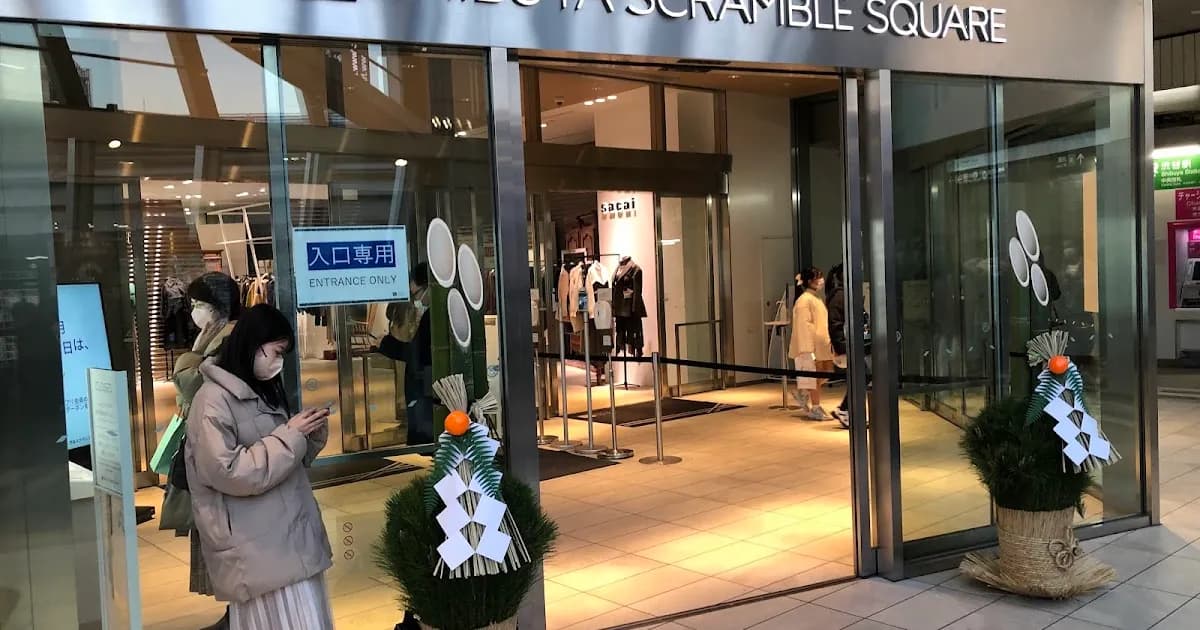
Best view: Starbucks 2nd floor at Tsutaya building (northwest corner). Get there by 10am on weekends or forget finding a window seat The Hachiko statue (loyal dog who waited for his dead owner for 9 years) is the default Tokyo meeting spot. It's tiny, crowded, and you'll take the photo anyway.
Shibuya Station — take the Hachiko Exit. Can't miss it.
4. Meiji Shrine (明治神宮)
Free entry | 1-2 hours | Open sunrise to sunset
A 175-acre forest in the middle of Tokyo, dedicated to Emperor Meiji and Empress Shoken. The entrance tunnel through massive torii gates shifts you from concrete to forest instantly — it's genuinely peaceful.
Weekend bonus: You might catch a traditional Shinto wedding procession. Brides in white kimono, the whole ceremony. Don't interrupt, but you can watch respectfully from the sides.
Harajuku Station (JR Yamanote Line), Omotesando Exit. The shrine's forest was entirely planted — all 100,000 trees were donated from across Japan. Meiji Shrine official site has event schedules.
💡 Pro tip: The iris garden (north side) costs ¥500 June-July when blooming. Skip it other months
5. Harajuku's Takeshita Street
Free to walk | 1-2 hours | Shops open 10am-8pm
Teenage fashion chaos: crepes, vintage clothing, K-pop merch, and enough neon to trigger a migraine. Takeshita Street is 350 meters of concentrated youth culture.
Sunday mornings are the move if you want to actually walk without being shoved. Afternoons on weekends? Shoulder-to-shoulder tourists.
The crepes (¥500-800) are fine, not life-changing. Hit Marion Crepes if you're doing it — they invented the style in 1976.
Same station as Meiji Shrine (Harajuku), different exit. Takeshita Exit, obviously.
6. Shinjuku Gyoen National Garden
¥500 entry | 2-3 hours | 9am-5:30pm (closed Mondays)
Tokyo's best park, hands down. 144 acres mixing Japanese traditional, English landscape, and French formal garden styles. Cherry blossoms in spring, chrysanthemums in fall.
The rule that makes it great: No alcohol allowed. This keeps out rowdy hanami (cherry blossom viewing) parties, so it stays chill even during peak sakura season.
Bring a bento from nearby combini (convenience store), find a lawn spot, and decompress from I Spent 6 Months Finding Tokyo'S Best Spots insanity.
Shinjuku-gyoemmae Station (Marunouchi Line), Exit 1. Shinjuku Gyoen website has bloom forecasts.
7. Tokyo Skytree
¥2,100-3,400 (depends on deck level) | 1-2 hours | 10am-9pm
Japan's tallest structure at 634 meters. The observation decks at 350m and 450m give you the full Tokyo sprawl — on clear days, you can see Mt. Fuji (60km away).
Is it worth it? If you've never done a big observation deck, yes. If you've been up tall buildings before, maybe skip for Tokyo Tower's cheaper nostalgia vibe instead.
Book tickets online to skip the ground-floor ticket lines (which can hit 60+ minutes on weekends).
Tokyo Skytree Station (Tobu Skytree Line) dumps you right at the base.
8. TeamLab Borderless (Azabudai Hills)
¥3,800-4,800 | 2-3 hours | Times vary, book ahead
Digital art museum where projections respond to your movement. Rooms flow into each other without boundaries (hence the name). It's trippy, Instagram-friendly, and genuinely impressive tech.
Major catch: Tickets sell out days or weeks ahead, especially weekends. Book through TeamLab's official site the moment you have Tokyo dates.
Kamiyacho Station (Hibiya Line) or Azabu-juban Station (Namboku/Oedo Lines), both about 5 minutes walk.
💡 Pro tip: Wear comfortable shoes. You'll be walking and standing on uneven surfaces for 2+ hours.
9. Akihabara Electric Town
Free to walk | 2-4 hours | Shops open 10am-8pm mostly
Anime, manga, electronics, and maid cafes. Akihabara is nerd mecca — love it or find it weird, either way it's peak Tokyo subculture.
What to actually do: Mandarake (8-story used manga/anime goods), Super Potato (retro video games), and Yodobashi Camera (massive electronics store with everything from rice cookers to cameras).
Maid cafes are overpriced (¥1,000+ cover charge plus marked-up drinks) and awkward unless you're really into the concept.
Akihabara Station (JR Yamanote Line), Electric Town Exit.
10. Ueno Park & Museums
Park free, museums ¥600-1,000 | 3-4 hours | Museums typically 9:30am-5pm
Ueno Park packs in Tokyo National Museum, National Museum of Nature and Science, Ueno Zoo, and Shinobazu Pond. It's museum row plus nature.
My pick: Tokyo National Museum if you want actual Japanese art and artifacts (samurai armor, ukiyo-e prints, Buddhist sculptures). The Western art museum is fine but nothing you haven't seen elsewhere.
Cherry blossom season turns Ueno Park into a massive hanami party — 1,000+ cherry trees, insane crowds, and picnic chaos.
Ueno Station (JR Yamanote Line), Park Exit. Straight shot.
11. Odaiba's Rainbow Bridge & Waterfront
Free area | 2-3 hours | Open 24/7 (shops/malls 10am-9pm)
Artificial island in Tokyo Bay with a mini Statue of Liberty replica (weird), Rainbow Bridge views, and shopping malls. It's touristy but the waterfront walk at sunset is solid.
TeamLab Planets is also in Odaiba (different location from Borderless) — wading through water exhibits, ¥3,800 entry.
Odaiba-kaihinkoen Station (Yurikamome Line) or Daiba Station. The automated Yurikamome train gives you level upd views of the bay crossing — sit in front for driver's perspective.
12. Roppongi Hills Mori Tower
¥1,800 (observation deck) | 1-2 hours | 10am-10pm
52nd-floor observation deck plus the Mori Art Museum. Less famous than Skytree or Tokyo Tower, which means fewer crowds and better actual viewing experience.
Night views crush daytime — Tokyo's lights go infinite. Skip the museum unless there's a special exhibition you care about.
Roppongi Station (Hibiya/Oedo Lines), Exit 1C connects directly underground.
13. Shimokitazawa Neighborhood
Free to wander | 2-4 hours | Shops/bars open afternoons-late
Tokyo's bohemian neighborhood: vintage clothing stores, small live music venues, cozy cafes, and izakayas (Japanese pubs). Zero big tourist attractions, which is exactly why it's great.
Thursday-Sunday afternoons are when vintage shops are fully open. Lots of small owners who keep irregular hours.
Grab coffee at Bear Pond Espresso (single-origin, ¥500), hit the vintage shops on the south side of the station, and end with yakitori and beer at one of the tiny standing bars.
Shimokitazawa Station (Keio Inokashira or Odakyu Lines).
14. Tokyo National Museum (Ueno)
¥1,000 | 2-3 hours | 9:30am-5pm (closed Mondays)
Japan's oldest and largest museum. If you want to understand Japanese art history — pottery, samurai swords, Buddhist art, ukiyo-e — this is the spot.
The Honkan (main building) covers Japanese art chronologically. Skip the other buildings unless you have 4+ hours to kill.
Same Ueno Park location as #10. Combined visit makes sense.
15. Yanaka Ginza Shopping Street
Free to walk | 1-2 hours | Shops open 10am-6pm (many closed Mondays)
Old-school Tokyo shopping street that survived the bombings and earthquakes. Yanaka feels like 1960s Japan — tiny shops selling senbei (rice crackers), traditional crafts, and street food.
The staircase (Yuyake Dandan) at the entrance is cat-watching central. Local strays hang out and shopkeepers feed them.
Nippori Station (JR Yamanote Line), North Exit, 5-minute walk. Google Maps link has the exact route.
💡 Pro tip: Hit Yanaka Beer Hall for craft beer (¥800-1,000) after walking the street.
16. Nakameguro Canal
Free | 1-2 hours | Open 24/7
Cherry tree-lined canal in a hip neighborhood full of boutiques and cafes. Peak Instagram territory during sakura season, but even off-season it's a pleasant walk.
Non-cherry blossom months: Come for the cafes and shops. Starbucks Reserve Roastery (largest Starbucks in the world) is here if you need overpriced coffee in a fancy building.
Nakameguro Station (Hibiya Line), West Exit.
17. Toyosu Fish Market
Free to watch auction from viewing deck | Auction 5:30am-6:30am | Closed Sundays, Wednesdays, holidays
The real fish market after Tsukiji's inner market moved in 2018. Watching the tuna auctions through glass isn't as intimate as old Tsukiji, but it's still the world's largest fish market in action.
Reality check: You're watching from an level upd viewing area behind glass. It's cool but clinical. If you're not a serious seafood nerd, Tsukiji Outer Market (#2) might satisfy you more.
Shijo-mae Station (Yurikamome Line), 3-minute walk.
18. Omotesando Avenue
Free to walk | 2-3 hours | Shops open 11am-8pm
Tokyo's Champs-Élysées: tree-lined boulevard with flagship stores for every luxury brand you can name. Even if you're not buying ¥3,000 T-shirts, the architecture (Dior building by SANAA, Prada by Herzog & de Meuron) is worth the walk.
Side streets have the interesting stuff — small boutiques, cafes, and Ura-Harajuku (back Harajuku) fashion.
Omotesando Station (Ginza/Chiyoda/Hanzomon Lines), Exit A2.
19. Kichijoji & Inokashira Park
Park free, zoo ¥400 | 3-4 hours | Park open 24/7, zoo 9:30am-5pm
Consistently rated Tokyo's most livable neighborhood by locals. Inokashira Park has a pond with swan boat rentals (¥700/30min), small zoo, and the Ghibli Museum (separate reservation needed, ¥1,000).
Why locals love it: It's got everything — park, shopping at Kichijoji Sun Road, izakayas, and it's less touristy than central Tokyo. This is where I'd live if rent wasn't insane Kichijoji Station (JR Chuo Line), South Exit, 5-minute walk to the park.
💡 Pro tip: Satou for beef croquettes (¥200) on the shopping street. Get them hot, eat while walking.
20. Tokyo Tower
¥1,200-2,800 (depends on deck) | 1-2 hours | 9am-10:30pm
Built in 1958 as a broadcasting tower, now a retro-nostalgic alternative to Skytree. It's 333 meters (shorter than Skytree) but has that red Eiffel Tower-inspired look.
Honest take: The views are nearly identical to other observation decks. Come for the vintage vibe and because it's cheaper than Skytree, not because it's better.
Kamiyacho Station (Hibiya Line) or Akabanebashi Station (Oedo Line), both 5-7 minutes walk.
21. Ginza Shopping District
Free to walk, window shopping recommended | 2-3 hours | Department stores 10am-8pm
Tokyo's luxury shopping district since the Meiji era. Chanel, Hermès, Uniqlo's flagship, and department stores like Mitsukoshi and Matsuya.
What I actually do here: Department store basement food floors (デパ地下, depachika). Mitsukoshi's basement has incredible prepared foods, wagyu beef croquettes, and fancy fruit that costs more than your flight.
Weekends they close Chuo-dori (main street) to cars — pedestrian-only shopping.
Ginza Station (Marunouchi/Hibiya/Ginza Lines), multiple exits depending on which block you're hitting.
22. Sumida River Cruise
¥1,000-3,500 (depends on route) | 40-80 minutes | Multiple departures daily
Boat ride from Asakusa to Odaiba (or reverse), passing under 12 bridges including Rainbow Bridge. It's a solid break from walking and gives you a different Tokyo perspective.
Himiko or Hotaluna futuristic boats designed by anime creator Leiji Matsumoto cost extra but look way cooler than regular boats.
Book at Asakusa pier near Senso-ji or online through Tokyo Cruise official site. Tokyo Cruise website has schedules.
23. Yoyogi Park
Free | 1-3 hours | Open 24/7
Right next to Meiji Shrine, Yoyogi Park is where Tokyo comes to chill on weekends. You'll see street musicians, breakdancers, rockabilly dancers (yes, really — older guys in 1950s gear dancing to Elvis), and picnickers.
Sundays are prime people-watching. Bring a blanket and snacks from a combini, post up on the grass.
Harajuku Station (JR Yamanoto Line), same as #4 and #5.
24. Daikanyama Neighborhood
Free to wander | 2-3 hours | Shops/cafes open 11am-8pm
Upscale residential area with Tsutaya Books (gorgeous bookstore with Starbucks inside), boutique shopping, and cafes where people actually read instead of instagramming.
Vibe check: This is Tokyo's Brooklyn. Trendy without being obnoxious, good coffee, design-focused shops.
Daikanyama Station (Tokyu Toyoko Line), 1 minute from the main strip.
25. Robot Restaurant (Shinjuku)
CLOSED PERMANENTLY as of 2024. RIP to the most absurd show in Tokyo — bikini-clad dancers, giant robots, lasers, and chaos.
What replaced it: Nothing quite captures that fever dream energy. If you want weird Japanese entertainment now, hit a real sumo match or kabuki theater instead.
26. Imperial Palace East Gardens
Free | 1-2 hours | 9am-4:30pm (closed Mondays/Fridays)
The actual palace isn't open to public (imperial family lives there), but the East Gardens are free and give you traditional Japanese garden vibes plus castle ruins.
Best time: Cherry blossom season or autumn foliage. Summer is brutally hot with minimal shade.
Tokyo Station (Marunouchi Lines), Marunouchi Exit, 10-minute walk. Or Otemachi Station, Exit C13a.
💡 Pro tip: The outer palace grounds have a famous double-bridge photo spot that's free to access 24/7.
27. Kagurazaka Neighborhood
Free to wander | 2-3 hours | Shops open afternoons-evening
Former geisha district on a slope (坂, zaka = slope), now a nice mix of traditional ryotei (high-end Japanese restaurants), French cafes, and cobblestone side streets.
Evening is the move — some traditional establishments only open after 6pm, and the stone-paved alleys look better with lantern lighting.
Kagurazaka Station (Tozai Line), Exit 1, puts you right on the main street.
| Spot | Cost | Time Needed | Best For |
|---|---|---|---|
| Senso-ji Temple | Free | 2-3 hours | Culture & history |
| Tsukiji Outer Market | ¥1,500-3,000 | 2-3 hours | Food lovers |
| Shibuya Crossing | Free | 30 min | Photos & energy |
| Meiji Shrine | Free | 1-2 hours | Nature & peace |
| Shinjuku Gyoen | ¥500 | 2-3 hours | Relaxation |
| Tokyo Skytree | ¥2,100-3,400 | 1-2 hours | Views |
| TeamLab Borderless | ¥3,800-4,800 | 2-3 hours | Digital art |
| Akihabara | Free (shopping extra) | 2-4 hours | Anime & tech |
Daily Budget Breakdown
For i spent 6 months finding tokyo's best spots, here's what hitting 5-6 of these places to see in Tokyo actually costs:
| Item | Budget | Mid-Range | Splurge |
|---|---|---|---|
| Accommodation | ¥3,000 (hostel) | ¥12,000 (business hotel) | ¥30,000+ (nice hotel) |
| Breakfast | ¥500 (combini) | ¥1,500 (cafe) | ¥4,000 (Tsukiji omakase) |
| Lunch | ¥800 (chain) | ¥1,500 (local spot) | ¥5,000 (sit-down) |
| Dinner | ¥1,000 (ramen/gyudon) | ¥3,000 (izakaya) | ¥10,000+ (kaiseki) |
| Transit | ¥1,000 (day pass) | ¥1,000 (day pass) | ¥1,000 (day pass) |
| Attractions | ¥1,000 (mostly free spots) | ¥4,000 (2-3 paid) | ¥8,000 (multiple paid) |
| TOTAL/DAY | ¥7,300 (~$50) | ¥23,000 (~$155) | ¥58,000+ (~$390+) |
Pro move for saving money: Get a Suica or Pasmo IC card (rechargeable transit card) instead of buying individual tickets. Saves time and a few yen per trip. Load it at any station ticket machine.
Sample 3-Day Itinerary Using These Spots
Day 1: Classic Tokyo
- 7am: Tsukiji Outer Market breakfast
- 9am: Imperial Palace East Gardens
- 11am: Ginza window shopping + depachika snacks
- 2pm: Tokyo Tower or Skytree (pick one)
- 5pm: Shibuya Crossing + Hachiko statue
- 7pm: Dinner in Shibuya
Day 2: Culture & Nature
- 7am: Meiji Shrine (early, before crowds)
- 9am: Harajuku Takeshita Street
- 11am: Shinjuku Gyoen (bring combini lunch)
- 2pm: Asakusa Senso-ji Temple
- 4pm: Sumida River cruise to Odaiba
- 6pm: Odaiba waterfront sunset
Day 3: Neighborhoods & Art
- 10am: TeamLab (book earliest slot)
- 1pm: Lunch in Nakameguro
- 2pm: Daikanyama bookstore + coffee
- 4pm: Shimokitazawa vintage shopping
- 7pm: Kagurazaka dinner & evening walk
This hits 12 of the 27 places to see in Tokyo without rushing. Most first-timers try to cram too much — Tokyo's huge, trains take time, and you'll be walking 15,000+ steps daily.
Planning More Travel?
Heading elsewhere after Tokyo? Check out our other destination guides:
- TravelPlanKorea.com — Seoul is 2 hours away by flight, completely different vibe
- TravelPlanEU.com — Europe trip planning if you're doing the multi-continent thing
- TravelPlanUS.com — US city guides and road trips
FAQ
Q. How many days do I need to see Tokyo properly?
5-7 days minimum to hit the major places to see in Tokyo without sprinting. You could spend 2 weeks easily if you include day trips (Nikko, Kamakura, Mt. Fuji area). First-timers: plan for at least 5 full days. Tokyo's massive and transit eats time even though it's efficient
Q. Should I buy a JR Pass for Tokyo?
No, not for Tokyo-only travel. The JR Pass (¥29,650 for 7 days) makes sense for intercity travel (Tokyo-Kyoto-Osaka). Within Tokyo, a rechargeable Suica/Pasmo card is way better — works on all transit lines, not just JR. Daily metro passes (¥600-900) can save money if you're doing 4+ rides.
Q. What's the best time of year to visit these Tokyo spots?
March-May (spring) or October-November (fall) for weather. Cherry blossoms peak late March to early April (crowds go insane). Fall foliage is November. Summer (June-August) is hot, humid, and miserable. Winter (December-February) is cold but clear — great views from observation decks, and tourist sites are less crowded.
Q. Are these places to see in Tokyo worth it if I've been to other big cities?
The weird factor makes Tokyo different. If you've done NYC, London, Paris — Tokyo still feels alien. The mix of ultra-modern (Akihabara, TeamLab) and traditional (Senso-ji, Meiji Shrine) in one city is unique. The food alone justifies the trip. But if you hate crowds and sensory overload, Tokyo might not be your jam.
Q. Can I see Tokyo's major spots without speaking Japanese?
Yes, but learn basics. Most places to see in Tokyo have English signs at major stations and tourist areas. Google Translate camera function is clutch for menus. Learn: すみません (sumimasen, excuse me), ありがとう (arigatou, thank you), and how to say numbers 1-10. Locals appreciate effort even if your pronunciation sucks. Download offline maps before you go — cell coverage can be spotty on certain train lines.