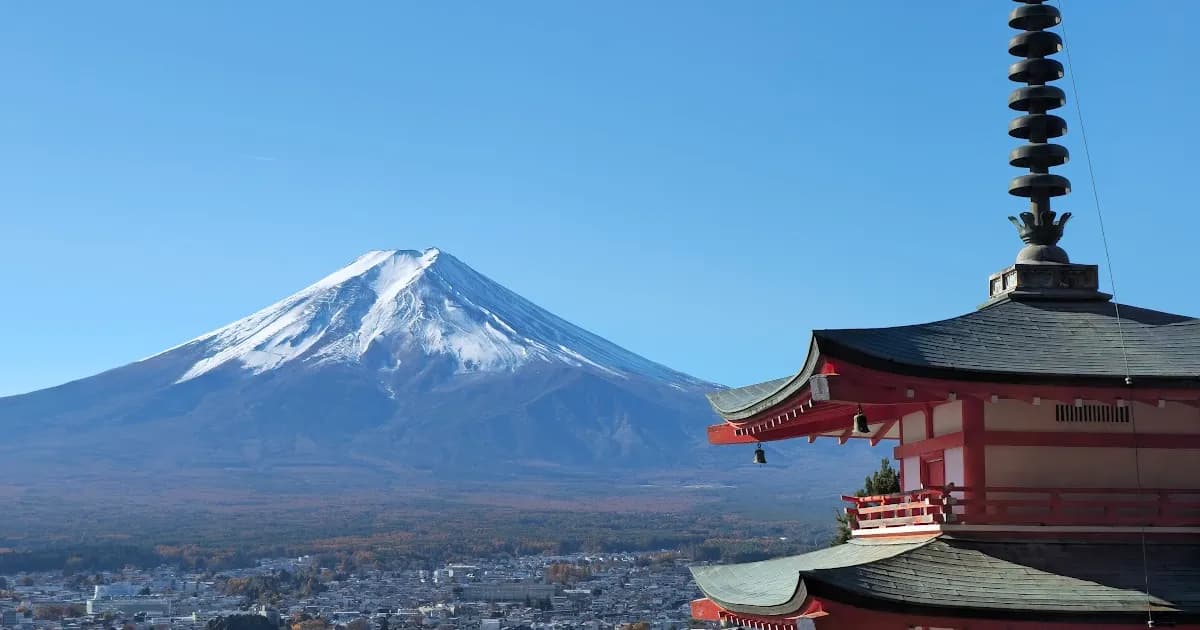
I Visited 47 Prefectures. These 7 Cities Are Japan's Best
The most beautiful cities in Japan aren't where you think. After a decade living here and visiting all 47 prefectures, I can tell you that Kyoto gets too much hype while places like Kanazawa sit quietly perfect. Here's my actual list—the cities that made me stop, stare, and think "damn, I could live here."
| City | Best Feature | Budget (Daily) | Skip If... | Go If... |
|---|---|---|---|---|
| Kanazawa | Preserved samurai districts | ¥8,000-12,000 | You hate rain | You want Kyoto without crowds |
| Takayama | Mountain town charm | ¥7,000-10,000 | You're rushed | You love traditional architecture |
| Nara | Deer + temples combo | ¥6,000-9,000 | You're allergic to animals | You want accessible beauty |
| Kyoto | Temple density | ¥10,000-15,000 | You hate tourists | You need the classics |
| Kamakura | Coastal temples | ¥7,000-11,000 | You skip beaches | You want day-trip beauty |
| Hakone | Mountain + lake views | ¥12,000-18,000 | You're on tight budget | You want nature + art |
| Miyajima | Floating torii gate | ¥9,000-13,000 | You hate ferry rides | You want iconic shots |
Why Most "Beautiful Cities" Lists Get Japan Wrong
For i visited 47 prefectures. these 7 cities are japan's best, look, I get it. Everyone puts Tokyo and Osaka on these lists because they're big and famous. But beautiful? Tokyo's got pockets of beauty buried under concrete and neon. Osaka's charm is its chaos, not its aesthetics.
The most beautiful cities in Japan share three things: preserved historical districts, natural settings (mountains or water), and a walkable core that reveals itself slowly. You can't experience beauty from a taxi window.
I'm focusing on cities where beauty isn't just one temple or garden—it's the entire urban fabric. Places where you'll stop every 50 meters to take photos, then realize your camera roll has 400 shots from one afternoon.
💡 Pro tip: The Japan Rail Pass covers most of these cities. If you're hitting 3+ destinations, it pays for itself. Get current JR Pass pricing here.
Gear for This Trip
The only daypack you need. Lightweight, durable, fits everything.
Packing cubes that changed how I travel. Essential for multi-city trips.
Best noise cancelling earbuds for flights and loud restaurants.
Hard shell, spinner wheels, fits every overhead bin. No checked bags.
As an Amazon Associate I earn from qualifying purchases.
Kanazawa: Kyoto's Prettier, Calmer Sister
For i visited 47 prefectures. these 7 cities are japan's best, i'm starting with Kanazawa because it pisses me off how few first-timers visit. I Visited 47 Prefectures. These 7 Cities Are Japan'S Best has everything Kyoto offers—geisha districts, samurai houses, incredible gardens—with 70% fewer tourists.
The Higashi Chaya District looks like someone hit pause in 1820. Two-story wooden teahouses line cobblestone streets. You'll see actual geiko (geisha) heading to appointments around dusk, not just tourists in rental kimonos.
Kenrokuen Garden is consistently ranked one of Japan's three best gardens. I've been in April (cherry blossoms), November (maple leaves), and January (yukitsuri—rope supports protecting trees from snow). Every season delivers.
The samurai district (Nagamachi) beats Kyoto's because you can actually enter restored samurai houses. The Nomura Family Samurai House has a garden that made me sit for 30 minutes just... staring.
| Kanazawa Highlight | Cost | Time Needed | When to Go |
|---|---|---|---|
| Kenrokuen Garden | ¥320 | 2-3 hours | Early morning (7am entry) |
| Higashi Chaya | Free (tea ceremony ¥1,000+) | 2 hours | Late afternoon/evening |
| Omicho Market | Food ¥1,500-3,000 | 1-2 hours | 10am-2pm |
| Nagamachi Samurai District | Free-¥550 per house | 2-3 hours | Morning |
| 21st Century Museum | ¥450 | 1-2 hours | Weekday mornings |
Getting There & Around
From Tokyo: 2.5 hours via Hokuriku Shinkansen (covered by JR Pass). From Kyoto: 2 hours via Limited Express Thunderbird.
Kanazawa's compact. Rent a bike (¥200/day from "Machinori" cycle share stations) or use the loop bus (¥200/ride, ¥600/day pass).
💡 Pro tip: The rain here isn't a bug, it's a feature. Kanazawa gets 2,500mm annually, which keeps the gardens lush and the streets photogenic with reflections. Bring a clear umbrella—you'll see tons of locals with them.
Stay here: Kaname Inn Tatemachi (¥6,500/night, traditional machiya townhouse conversion, perfect location).
Takayama: Mountain Town That Stopped Time
For i visited 47 prefectures. these 7 cities are japan's best, takayama sits in the Japan Alps at 573 meters. The air feels different—crisp, even in summer. The old town (Sanmachi Suji) has buildings from the 1600s-1800s, dark wood against mountain backdrops.
Why it's beautiful: The contrast. Historic merchant houses with overhanging roofs, sake breweries marked by sugidama (cedar spheres), the Miyagawa River cutting through town, and the Alps always visible between buildings.
I've brought photographer friends here who've run out of memory cards by noon. The morning market along the river (7am-noon) belongs on every Japan itinerary, but somehow doesn't make the basic tour packages.
The Higashiyama Walking Course (free, 3.5km, 2 hours) connects temples and shrines through a forest path above town. You'll gain elevation but the views back down to Takayama—roofs and mountains—justify every step.
| Takayama Must-See | Cost | Duration | Best Time |
|---|---|---|---|
| Sanmachi Suji | Free (sake tastings ¥200-500) | 2-3 hours | Morning before 10am |
| Morning Market | Food ¥1,000-2,000 | 1 hour | 7-9am |
| Takayama Jinya | ¥440 | 1 hour | Opens 8:45am |
| Higashiyama Course | Free | 2-3 hours | Late afternoon |
| Hida Folk Village | ¥700 | 2 hours | Weekday mornings |
Seasonal Considerations
Spring Festival (April 14-15) and Autumn Festival (October 9-10) bring massive yatai (floats) through the streets. Beautiful? Absolutely. Crowded? Painfully. Book hotels 6 months ahead or skip those weekends entirely.
Winter (December-February) blankets the town in snow. Tourism drops 40%, prices follow, and the beauty level somehow increases. Hot sake tastes better at -5°C.
From Nagoya: 2.5 hours via JR Limited Express Hida. From Kanazawa: 2 hours by bus (¥3,500). No shinkansen, which keeps the crowds manageable.
💡 Pro tip: Buy the "Hida Beef Bun" (¥500) from the morning market, then walk to Shiroyama Park (15 minutes uphill). Eat it on the bench overlooking town. That's your Takayama moment.
Nara: Accessibility Meets Ancient Beauty
For i visited 47 prefectures. these 7 cities are japan's best, nara gets dismissed as a "day trip from Kyoto." That's dumb. I Visited 47 Prefectures. These 7 Cities Are Japan'S Best was Japan's capital from 710-794, and the temples from that era—still standing—dwarf Kyoto's in scale and impact.
Todai-ji Temple houses a 15-meter bronze Buddha in a hall that's the world's largest wooden building. The first time I walked in, I actually gasped. I don't gasp But the real beauty play? The deer. Over 1,200 sika deer wander Nara Park freely, considered divine messengers. They bow for crackers (¥200 for 10). The juxtaposition—wild animals, massive temples, maple trees, tourists getting gently headbutted by deer—creates scenes that don't exist anywhere else.
Nara's compact. Everything clusters around Nara Park. You can walk the whole circuit in 4-6 hours, hitting multiple UNESCO sites without rushing.
| Nara Highlight | Cost | Time | Must-Know |
|---|---|---|---|
| Todai-ji Temple | ¥600 | 1 hour | Go at opening (7:30am) |
| Kasuga Taisha Shrine | ¥500 (inner area) | 1 hour | 3,000 stone lanterns |
| Nara Park | Free | 3-4 hours | Deer crackers ¥200 |
| Isuien Garden | ¥900 | 45 min | Best garden in Nara |
| Kofuku-ji Temple | Free-¥500 | 1 hour | Five-story pagoda |
The Path Less Walked
Most tourists do Todai-ji then leave. Walk south to Kasuga Taisha (20 minutes through the forest), then continue to Mount Wakakusa. It's a 342-meter hill with a ¥150 entry fee and 360° views of Nara, temples, and mountains.
The deer thin out as you climb. By the summit, it's you, the view, and maybe three other people. Brings the most beautiful cities in Japan into focus—literally From Kyoto: 45 minutes via Kintetsu Line (¥640). From Osaka: 50 minutes (¥570). Both covered by various rail passes. Check Kintetsu's official site for current schedules.
💡 Pro tip: The deer are aggressive during rutting season (September-October) and birth season (May-June). They're cuter but bolder. Keep crackers hidden or you'll get mobbed.
Stay or day-trip? Day-trip works, but staying lets you experience the park at dawn when mist rises and deer bed down near temples. That's the shot nobody else gets. Try Guest House Nara Komachi (¥3,800/night for dorms).
Kyoto: Still Beautiful, Still Crowded, Still Essential
For i visited 47 prefectures. these 7 cities are japan's best, i live 40 minutes from Kyoto. I've been 80+ times. Is it overrated? Yes. Should you skip it? Absolutely not.
Kyoto has 2,000 temples and shrines. The most beautiful cities in Japan lists always include it because the density of beauty is unmatched. Fushimi Inari's 10,000 torii gates, Kinkaku-ji's gold pavilion, Arashiyama's bamboo groves—these aren't hype. They're genuinely gorgeous The problem: 8 million tourists annually (pre-2020 numbers, climbing back now). Peak seasons (cherry blossom, autumn leaves) turn beauty into a scrum. You'll spend more time navigating crowds than appreciating architecture.
| Kyoto Temple | Cost | Crowd Level | Go When |
|---|---|---|---|
| Fushimi Inari | Free | ★★★★★ | Before 7am |
| Kinkaku-ji | ¥500 | ★★★★★ | Opens 9am (be there) |
| Kiyomizu-dera | ¥400 | ★★★★★ | After 5pm |
| Ryoan-ji | ¥500 | ★★★ | Weekday mornings |
| Nanzen-ji | Free-¥600 | ★★★ | Late afternoon |
| Tofuku-ji | ¥600 | ★★★★★ (autumn) | Summer instead |
| Ginkaku-ji | ¥500 | ★★★★ | Opens 8:30am |
My Actual Kyoto Strategy
Stay in a less-touristy area. Northern Kyoto (Kitayama, Ichijoji) or eastern neighborhoods (Yamashina) cost 30% less and feel more livable. From there, hit major sites at weird hours.
Fushimi Inari at 6am is meditative. By 10am, it's Disneyland. The gates don't change—the experience transforms completely.
Rent a bicycle (¥1,000-1,500/day). Kyoto's flat. Temple-hopping by bike beats trains and buses, and you'll discover neighborhoods between destinations. The Kamo River path is particularly beautiful—locals picnicking, herons fishing, mountains in the distance.
💡 Pro tip: Most temples close at 5pm. Kodai-ji Temple does evening illuminations (spring, summer, autumn) until 9pm. Same beauty, 80% fewer people. ¥600 entry.
Beyond the Obvious Temples
Philosopher's Path connects Ginkaku-ji to Nanzen-ji—a 2km canal walk under cherry trees. In autumn, the canal reflects red maples. Free, scenic, less crowded than temples.
Kurama and Kibune are mountain villages north of Kyoto proper. The train ride (¥420, 30 minutes from Demachi-yanagi Station) hugs a gorge. Kibune's summer kawadoko dining—platforms over the river—costs ¥5,000-10,000 but delivers beauty with your kaiseki meal.
From Tokyo: 2 hours 15 minutes via Tokaido Shinkansen (¥13,320, covered by JR Pass). From Osaka: 30-50 minutes via multiple lines.
Stay here: Len Kyoto Kawaramachi (¥8,500/night, central location, modern design, actually good WiFi).
Kamakura: Coastal Beauty 50 Minutes from Tokyo
For i visited 47 prefectures. these 7 cities are japan's best, kamakura surprises people. It's a beach town with major temples, a 13-meter bronze Buddha, hiking trails connecting shrines, and a surf scene. You're getting beauty on two fronts—cultural and natural.
The Great Buddha at Kotoku-in (¥300) sits outdoors, weathered by 800 years of sea air. The patina, the surrounding trees, the scale—it photographs beautifully from every angle.
But walk 15 minutes to Hase-dera Temple (¥400) and you're overlooking Sagami Bay from a hillside covered in hydrangeas (June) or colored leaves (November). The temple itself is gorgeous; the views seal the deal.
Komachi-dori Street (the main shopping street) is tourist-trap central. Skip it except for trying shirasu-don (¥1,200-1,500)—fresh whitebait over rice, a Kamakura specialty because the boats dock here.
| Kamakura Spot | Cost | Duration | Best For |
|---|---|---|---|
| Great Buddha | ¥300 | 30 min | Iconic shot |
| Hase-dera Temple | ¥400 | 1 hour | Views + hydrangeas |
| Tsurugaoka Hachimangu | Free | 45 min | Main shrine |
| Enoshima Island | Free (tower ¥500) | 3-4 hours | Beaches + caves |
| Kenchoji Temple | ¥500 | 1 hour | Zen gardens |
The Hiking Circuit
Kamakura has a hiking trail system connecting temples through forested hills. The Daibutsu to Jochiji course (2.5km, 90 minutes, free) takes you from the Great Buddha over a ridge to northern Kamakura temples. You'll see maybe five other people.
Bring proper shoes—it's dirt paths with roots and rocks. But emerging from forest to temple grounds repeatedly creates this sense of discovery that bus-hopping temples never delivers.
Enoshima Island (connected by bridge, 25-minute walk from Kamakura Station) adds beaches and sea caves to the equation. The island's observatory (¥500) provides views to Mount Fuji on clear days—that's your beauty trifecta: ocean, island, volcano.
From Tokyo: 60 minutes via JR Yokosuka Line (¥930) or take the Enoden train for coastal views. Check JR East's site for schedules.
💡 Pro tip: Summer weekends bring Tokyo beach crowds. Visit Tuesday or Wednesday—same beauty, half the people. Bring yen cash; many smaller temples and restaurants don't take cards.
Hakone: Where Nature Meets Contemporary Art
For i visited 47 prefectures. these 7 cities are japan's best, hakone's beauty is hand-picked. I Visited 47 Prefectures. These 7 Cities Are Japan'S Best developed as a mountain resort, so everything—hot spring towns, museums, transport—enhances the natural setting of mountains, Lake Ashi, and (on clear days) Mount Fuji.
The Hakone Loop is famous: train to cable car to ropeway to boat to bus. It sounds gimmicky but delivers constant scenery shifts. You're riding above volcanic valleys (¥1,550 one-way for full loop, or get the Hakone Freepass for ¥6,100 covering 2 days of unlimited transport).
Owakudani Valley smells like sulfur—active volcanic vents steaming around you. You can eat kuro-tamago (black eggs boiled in the springs, ¥500 for 5) while staring at volcanic peaks. It's dramatic and weird in the best way The Hakone Open-Air Museum (¥1,600) places sculptures against mountain backdrops. I'm not usually an "art museum guy" but this works because you're walking gardens with art installations and mountain views.
Lake Ashi reflects Mount Fuji when weather cooperates (30% of days). The pirate ship cruise (¥1,200) is kitschy but positions you perfectly for photos.
| Hakone Experience | Cost | Time | Must-Know |
|---|---|---|---|
| Hakone Loop | ¥6,100 (2-day pass) | Full day | Start early (8am) |
| Hakone Open-Air Museum | ¥1,600 | 2 hours | Go first, before loop |
| Lake Ashi Cruise | ¥1,200 | 30 min | Morning = better Fuji views |
| Owakudani Valley | Free (ropeway extra) | 1 hour | Closed during high volcanic activity |
| Hakone Shrine | Free | 30 min | Lakeside torii gate photo |
Where to Stay (It Matters Here)
Hakone's beauty extends to ryokan (traditional inns) with private onsen overlooking mountains. You'll pay ¥15,000-40,000/person including kaiseki dinner and breakfast, but that's part of the experience.
Budget option: Hakone Tent (¥4,500/night for dorms) in Gora, near the Open-Air Museum. Clean, modern, communal onsen.
Splurge option: Hakone Ginyu (¥35,000/person, rooms with private outdoor baths, kaiseki meals that justify the price).
From Tokyo: 90 minutes via Odakyu Romance Car (¥2,280). The train itself has big windows designed for Mount Fuji viewing. Book window seats in advance.
💡 Pro tip: Fuji visibility peaks in winter (December-February, 60% clear days) and drops in summer (20% clear days). Check the Mount Fuji webcam before committing your day.
Miyajima: Island Beauty with Iconic Punch
Miyajima's floating torii gate is Japan's most photographed sight after Mount Fuji. The gate appears to float during high tide, stands on sand at low tide. Either way—beautiful.
But the island delivers beyond that gate. Itsukushima Shrine (¥300) extends over water on stilts. The vermillion structures against blue water and green mountains is a color combination nature and humans accidentally perfected.
Wild deer roam the island (less aggressive than Nara's). The Mount Misen ropeway (¥2,000 round-trip) takes you 500 meters up for Seto Inland Sea views that stretch to Hiroshima and beyond. Or hike it in 2 hours—three trail options, all well-maintained.
| Miyajima Must-Do | Cost | Duration | Timing Tip |
|---|---|---|---|
| Itsukushima Shrine | ¥300 | 45 min | Check tide schedule |
| Torii Gate viewing | Free | 30 min | High tide for photos |
| Mount Misen Ropeway | ¥2,000 | 2-3 hours total | Afternoon for sunset views |
| Daisho-in Temple | Free | 1 hour | Most underrated spot |
| Momijidani Park | Free | 1 hour | Autumn colors peak |
Day-Trip vs. Stay
Most people day-trip from Hiroshima (perfectly doable). But staying overnight lets you experience the island after the 4pm ferry exodus. The torii gate at sunset, with zero crowds, feels like you've unlocked a secret level.
Iwaso Ryokan (¥18,000-30,000/person with meals) sits in a maple valley. You'll hear a stream from your room. That's beauty extending past sightseeing into accommodation.
Budget: Stay in Hiroshima (¥5,000-8,000/night), ferry over early. The Hiroshima Peace Memorial deserves 2-3 hours anyway—combine both in one trip.
From Hiroshima: Ferry from Miyajimaguchi (10 minutes, ¥180, covered by JR Pass). Train to Miyajimaguchi: 25 minutes via JR Sanyo Line.
💡 Pro tip: Miyajima's momiji manju (maple leaf-shaped cakes filled with red bean paste, ¥100-150 each) are everywhere. Skip the regular ones. Get the deep-fried version (¥180) from shops near the ferry—hot, crispy, way better.
How to Actually Plan a "Most Beautiful Cities" Trip
For i visited 47 prefectures. these 7 cities are japan's best, you can't hit all seven in one trip without losing your mind. Here's how to combine them based on your timeframe:
7-Day Loop (Realistic):
- Days 1-2: Kyoto
- Day 3: Nara (day trip from Kyoto)
- Day 4: Kanazawa (travel from Kyoto)
- Day 5: Takayama (morning travel, afternoon explore)
- Day 6: Return to Tokyo via Nagoya
- Day 7: Kamakura (day trip from Tokyo)
10-Day Deep Dive:
- Add Hakone (2 days) and Miyajima (1-2 days, base in Hiroshima)
14-Day Complete:
- All seven cities with breathing room
Transport Strategy
The JR Pass (¥50,000 for 14 days as of 2026) covers most of this routing. Calculate your individual tickets first—if they exceed ¥40,000, the pass saves money. The JR Pass official calculator helps here.
Some routes (Kanazawa to Takayama, for example) use non-JR lines. Budget ¥5,000-8,000 extra for gaps.
| Route | Cost (One-Way) | JR Pass Coverage | Duration |
|---|---|---|---|
| Tokyo → Kyoto | ¥13,320 | ✓ Full | 2h 15min |
| Kyoto → Kanazawa | ¥6,500 | ✓ Full | 2h |
| Kanazawa → Takayama | ¥3,500 | ✗ Bus only | 2h |
| Tokyo → Kamakura | ¥930 | ✓ Full | 1h |
| Tokyo → Hakone | ¥2,280 | Partial | 1h 30min |
| Hiroshima → Miyajima | ¥180 | ✓ Full | 30min total |
Daily Budget Breakdown for Beautiful Cities
For i visited 47 prefectures. these 7 cities are japan's best, these are my actual spending numbers from recent trips, not inflated "you could spend this much" figures.
| Expense | Budget | Mid-Range | Comfort |
|---|---|---|---|
| Accommodation | ¥3,500 (hostel/capsule) | ¥8,000 (business hotel) | ¥15,000 (nice ryokan/hotel) |
| Food | ¥2,000 (konbini + cheap meals) | ¥5,000 (restaurants) | ¥10,000 (good restaurants) |
| Transport | ¥1,500 (local transit) | ¥2,000 (taxis occasionally) | ¥3,000 (flexibility) |
| Attractions | ¥1,000 (few entries) | ¥2,000 (most sites) | ¥3,000 (everything) |
| Misc | ¥1,000 (snacks, drinks) | ¥2,000 (souvenirs, coffee) | ¥4,000 (shopping) |
| TOTAL/DAY | ¥9,000 ($60) | ¥19,000 ($128) | ¥35,000 ($235) |
Add JR Pass cost (roughly ¥3,600/day for a 14-day pass) if you're moving between cities The most beautiful cities in Japan don't require luxury spending to appreciate. Entry fees are reasonable (¥300-600 for most temples). Street food is cheap (¥500-1,000 for quality meals). The beauty itself is free or nearly so.
My Honest Take: Are These Cities Worth It?
For i visited 47 prefectures. these 7 cities are japan's best, after 10 years and 47 prefectures, yes—these seven cities represent Japan's aesthetic peak. Each offers something distinct:
- Kanazawa: Beauty without the Kyoto circus
- Takayama: Mountain architecture perfection
- Nara: Accessible wonder (deer help)
- Kyoto: Unmatched temple density (worth the crowds)
- Kamakura: Culture + beach hybrid
- Hakone: Engineered natural beauty (it works)
- Miyajima: One perfect iconic sight + island charm
But beauty alone doesn't make a trip successful. You need good timing (avoid peak weeks), realistic pacing (don't cram 7 cities into 5 days), and honest self-assessment (if you hate crowds, skip Kyoto in autumn).
The most beautiful cities in Japan reveal themselves to patient travelers. Rush through Kanazawa in 3 hours and you'll miss the garden at dawn. Give it two days and you'll understand why locals smile when you mention it.
Planning More Travel?
For i visited 47 prefectures. these 7 cities are japan's best, if Japan's cities have you hooked on East Asian architecture and scenery, Korea is 2 hours away and offers similar beauty with different flavors. Seoul's palaces and Busan's coastal temples make a solid follow-up.
Heading somewhere else after Japan? TravelPlanUS.com covers American city guides with the same detail, and TravelPlanEU.com handles European destinations if you're extending your trip westward.
FAQ
Q. Which city is the most beautiful in Japan overall?
For i visited 47 prefectures. these 7 cities are japan's best, honestly? Kanazawa. It combines Kyoto's historical richness with manageability and fewer tourists. The garden alone justifies the visit, but the samurai districts, geisha tea houses, and modern art museum create this mix that feels both authentic and accessible. If I had to send one friend to one beautiful Japanese city, Kanazawa wins.
Q. Can you visit For i visited 47 prefectures. these 7 cities are japan's best, the most beautiful cities in Japan without speaking Japanese?
Absolutely. All seven cities on this list are tourist-friendly with English signage at major sites. Download Google Translate's offline Japanese pack, learn basic phrases (sumimasen = excuse me, arigatou gozaimasu = thank you), and you'll be fine. Temple staff often have English pamphlets. Train stations in these cities have English announcements and screens. I've met travelers with zero Japanese For i visited 47 prefectures. these 7 cities are japan's best, this is worth knowing. who navigated these cities successfully—being polite matters more than being fluent.
Q. What's the best time of year for visiting beautiful Japanese cities?
Late April-May (cherry blossoms, mild weather, pre-summer humidity) and late October-November (autumn colors, comfortable temperatures) are objectively best—and most crowded/expensive. June-early July (rainy season) and February (cold but clear) offer the same beauty with 40% fewer tourists and better prices. Kanazawa and Takayama are actually more photogenic in rain or snow. If you can handle weather, visit off-peak.
Q. How many days do I need to see Japan's most beautiful cities properly?
Minimum 10 days to hit 4-5 cities without feeling rushed. A realistic 14-day trip covers all seven if you're efficient: 3 days Kyoto, 2 days Kanazawa, 2 days Takayama, 1 day Nara, 1 day Kamakura, 2 days Hakone, 1 day Miyajima, plus 2 travel/buffer days. Less than 10 days? Pick threFor i visited 47 prefectures. these 7 cities are japan's best, e cities and actually experience them rather than collecting passport stamps.
Q. Are these cities good for photography?
For i visited 47 prefectures. these 7 cities are japan's best, every single one is exceptional for photography—that's partly why they're on this list. Kyoto and Miyajima deliver iconic shots everyone recognizes. Kanazawa and Takayama offer less-photographed beauty (your Instagram will stand out). Bring a weather-sealed camera for Kanazawa's rain and Hakone's volcanic steam. Golden hour (6-7am, 5-6pm depending on sea For i visited 47 prefectures. these 7 cities are japan's best, this is worth knowing.son) transforms these cities—especially Nara Park with angled light through deer and temples. Wake up early. That's when the most beautiful cities in Japan earn the title.