Popular Cities in Japan: I Lived Here 12 Years
After 12 years living across Japan—from cramped Tokyo apartments to ryokan in Kyoto to suburban life in Fukuoka—I've learned something most travel blogs won't tell you: the most popular cities in Japan aren't always the best ones to visit.
Tokyo gets 14 million international visitors annually. Kyoto's temples are so crowded you'll spend more time photographing other tourists than actual shrines. Meanwhile, cities like Kanazawa and Fukuoka offer 80% of the experience at half the cost and a tenth of the crowds.
Here's my brutally honest ranking of Japan's most popular cities, plus the underrated ones you should actually consider
| City | Daily Budget | Crowd Level | Best For | Skip If... |
|---|---|---|---|---|
| Tokyo | ¥12,000-18,000 | Crushing | First-timers, food obsessives | You hate crowds |
| Kyoto | ¥10,000-15,000 | Very High | Temple lovers, photographers | Visiting peak season |
| Osaka | ¥9,000-14,000 | High | Street food, nightlife | You want "refined" Japan |
| Hiroshima | ¥8,000-12,000 | Moderate | History, day trips | You're rushing |
| Fukuoka | ¥7,500-11,000 | Low-Moderate | Ramen, beach vibes | You need big-city energy |
| Kanazawa | ¥8,500-13,000 | Low | Traditional crafts, gardens | You're on a 3-day trip |
| Sapporo | ¥9,000-14,000 | Moderate | Winter sports, beer | Summer travel |
Tokyo: Overwhelming But Essential
For popular cities in japan: i lived here 12 years, look, I complain about Tokyo constantly. The trains during rush hour feel like a social experiment in human compression. A decent meal costs ¥1,500 minimum. My first apartment was 18 square meters and cost ¥95,000/month.
But Tokyo is non-negotiable for first-timers. Here's why
What Actually Makes Tokyo Worth It
The official Tokyo tourism board lists 47 museums and 1,200+ restaurants worth visiting. That's not hype—Tokyo has more Michelin stars than Paris, better vintage shopping than Brooklyn, and neighborhoods so distinct they feel like different cities.
Shibuya is chaos in the best way. The crossing, yes, but also narrow yakitori alleys and basement record shops. Shimokitazawa has vintage clothing stores where I've found ¥2,000 Levi's that would cost $200 in the US. Yanaka is old Tokyo—wooden houses, tiny temples, cats everywhere.
💡 Pro tip: Buy a 72-hour Tokyo Metro pass (¥1,500) at the airport. Don't waste money on individual tickets. And download the Tokyo Subway Navigation app—Google Maps gets confused in stations with 12 exits
The Real Cost of Tokyo
Here's what a day actually costs, not the fantasy budget other blogs post:
| Item | Budget | Mid-Range | Splurge |
|---|---|---|---|
| Accommodation | ¥4,000 (hostel) | ¥9,000 (business hotel) | ¥18,000+ (hotel) |
| Breakfast | ¥400 (konbini) | ¥800 (café) | ¥2,000 (hotel) |
| Lunch | ¥900 (ramen) | ¥1,500 (set meal) | ¥3,500+ (restaurant) |
| Dinner | ¥1,200 (gyudon) | ¥2,500 (izakaya) | ¥8,000+ (nice place) |
| Transit | ¥500 (if walking) | ¥800 (few trains) | ¥1,500 (lots of trains) |
| Attractions | ¥1,000 (temples/parks) | ¥2,000 (museums) | ¥4,000 (TeamLab, etc.) |
| TOTAL | ¥8,000 | ¥16,600 | ¥37,000+ |
The teamlab borderless mori building digital art museum costs ¥3,200 but it's genuinely worth it—I've taken three different visitors and they all said it was their favorite Tokyo experience. Book ahead because it sells out.
Where to Stay (Real Talk)
Shinjuku is convenient but noisy and touristy. Ueno is cheaper with great transit links—I'd stay here. Asakusa feels more "traditional" but you'll commute 30+ minutes to most places. Shibuya if you're under 30 and want nightlife.
Search hotels in Tokyo and filter by districts—location matters more than hotel quality here.
Gear for This Trip
The only daypack you need. Lightweight, durable, fits everything.
Packing cubes that changed how I travel. Essential for multi-city trips.
Best noise cancelling earbuds for flights and loud restaurants.
Hard shell, spinner wheels, fits every overhead bin. No checked bags.
As an Amazon Associate I earn from qualifying purchases.
Kyoto: Beautiful But Exhausting
For popular cities in japan: i lived here 12 years, i'm going to say something controversial: Kyoto in spring or fall is a mistake for first-timers.
March-May and October-November, Kyoto gets 5+ million visitors. Fushimi Inari at 8am looks like a subway platform during rush hour. Kinkaku-ji (Golden Pavilion) has crowd control ropes. You'll spend your whole trip dodging selfie sticks.
When Kyoto Actually Works
January, February, or July-August. Yes, it's cold or hot. But temples are 70% less crowded, hotels cost half as much, and you can actually experience the meditative quiet these places were designed for.
I visited Ryoan-ji rock garden on a Tuesday in February at 9am. Six other people total. Sat for 30 minutes in complete silence. That's the Kyoto people imagine.
The Best Temples (And One to Skip)
| Temple | Cost | Time Needed | Crowd Level | Worth It? |
|---|---|---|---|---|
| Fushimi Inari | Free | 2-3 hours | Crushing | Yes—go at 6am or 6pm |
| Kinkaku-ji | ¥500 | 45 min | Very high | Photos only, move fast |
| Ryoan-ji | ¥500 | 1 hour | Moderate | Yes—best rock garden |
| Kiyomizu-dera | ¥400 | 1.5 hours | Very high | Skip unless sunset |
| Ginkaku-ji | ¥500 | 1 hour | Moderate | Yes—better than Gold |
| Nanzen-ji | Free (grounds) | 1 hour | Low-Moderate | solid pick, great garden |
💡 Pro tip: The Philosopher's Path connecting Ginkaku-ji to Nanzen-ji is gorgeous and mostly tourist-free. Do this walk in late afternoon.
Kyoto Transit Is Worse Than Tokyo
Kyoto has two subway lines. Two. Most temples require buses, which get stuck in traffic and don't take IC cards on some routes. Budget ¥600-900/day for transit.
Kyoto's official bus guide is essential. Download it. Learn the numbered routes (5, 100, 206 are your friends).
Or rent a bicycle (¥1,000/day). Kyoto is flat and has decent bike lanes. Easier than fighting bus crowds.
Osaka: The City That Actually Feels Japanese
For popular cities in japan: i lived here 12 years, here's what I love about Osaka: nobody gives a shit about impressing you.
Tokyo is polite to the point of exhausting. Kyoto is performing "traditional Japan" for tourists. Osaka is just... itself. Loud, messy, obsessed with food, slightly chaotic. The best takoyaki I've ever eaten cost ¥400 from a street cart run by a 70-year-old chain-smoking woman who yelled at me for not eating it fast enough.
Why Osaka Works as a Base
It's cheaper than Tokyo and Kyoto. Hotels average 30% less. Meals are 20% cheaper. And it's geographically perfect—Kyoto is 30 minutes by train, Nara is 45 minutes, Hiroshima is 90 minutes on the shinkansen.
The JR Japan Rail Pass makes sense if you're doing Osaka → Tokyo → Kyoto → Hiroshima. 7-day ordinary pass costs ¥50,000 but saves money if you take even two long shinkansen trips. Calculate your routes first.
What to Actually Do in Osaka
Dotonbori is tourist central but unavoidable—go at night when the neon is ridiculous. Shinsekai is grittier and more fun, with cheap kushikatsu (fried skewers) and retro vibes. Kuromon Market for food shopping—skip the overpriced tuna and get fresh oysters for ¥200 each.
The best meal I've had in Japan was at Matsusakagyu Yakiniku M in Namba—¥8,000 for A5 wagyu that ruined all other beef for me. Reserve ahead because it's tiny.
Osaka Castle: Skip the Inside
The castle itself is a 1930s concrete reconstruction with an elevator. The grounds and moat are beautiful—walk those for free. The museum inside is ¥600 and skippable unless you're really into Toyotomi Hideyoshi.
💡 Pro tip: Osaka Amazing Pass (¥2,800 for 1 day, ¥3,600 for 2 days) includes transit and 40+ attractions. Worth it if you're doing the aquarium (¥2,700 alone) plus a few others.
Hiroshima: More Than the Bomb
For popular cities in japan: i lived here 12 years, i almost didn't visit Hiroshima because I thought it would be depressing. It's not. The Peace Memorial Park is somber and important, yes, but Popular Cities In Japan: I Lived Here 12 Years itself is lively, friendly, and has better food than it has any right to.
The Peace Memorial and Miyajima
Budget a half-day for the Hiroshima Peace Memorial Museum—it's intense but essential. ¥200 entry. Give yourself time to process it.
Then take the ferry to Miyajima (宮島). The floating torii gate of Itsukushima Shrine is one of those photos-don't-do-it-justice places. The island has friendly deer, hiking trails, and ¥300 grilled oysters that are absurdly good.
| Miyajima Detail | Info |
|---|---|
| Ferry from Hiroshima | ¥360 return, 10 min |
| Best arrival time | Before 11am or after 3pm |
| Time needed | 4-6 hours |
| Top food | Grilled oysters (¥300-500 each) |
| Itsukushima Shrine entry | ¥300 |
💡 Pro tip: Stay overnight on Miyajima if you can. After 5pm, day-trippers leave and the island becomes magical. I stayed at Iwaso Ryokan (¥18,000/night with dinner and breakfast)—expensive but one of my favorite Japan experiences.
Hiroshima's Secret Weapon: Okonomiyaki
Hiroshima-style okonomiyaki buries Osaka's version. It's layered—cabbage, noodles, egg, pork, sauce—instead of mixed. Okonomi-mura is a building with 25 okonomiyaki restaurants on four floors. Touristy but good. My pick: Henkutsuya on the 2nd floor (¥1,000-1,400 per okonomiyaki).
Fukuoka: The Most Underrated City in Japan
For popular cities in japan: i lived here 12 years, if I had to live in one Japanese city for the next five years, I'd pick Fukuoka. Not Tokyo. Not Kyoto. Fukuoka.
It's big enough to have great restaurants and transit (2.5 million metro population) but small enough to feel navigable. Beach is 15 minutes from downtown. Airport is 10 minutes from Popular Cities In Japan: I Lived Here 12 Years center by subway. Rent is half of Tokyo's. And it has the best ramen in the country—fight me.
Why Fukuoka Works
It's the anti-tourist Japan city. Most international visitors skip Kyushu entirely. Fukuoka gets maybe 10% of Tokyo's tourists. Which means locals actually seem happy to see you, restaurants don't have English menus (in a good way), and you feel like you're experiencing Japan, not performing tourism.
The Ramen Situation
Hakata-style tonkotsu ramen is Fukuoka's gift to humanity. Creamy pork bone broth, thin noodles, simple toppings. Ippudo started here (the Hakata location is better than the tourist trap in Tokyo). Ichiran too—the original location has a little museum.
But the real move is yatai (屋台)—street food stalls that pop up at night along the river. ¥800-1,000 for ramen, sit shoulder-to-shoulder with salarymen and students, questionable hygiene but incredible vibes. This is the Japan I love
| Fukuoka Essential | Details |
|---|---|
| Best ramen area | Tenjin/Nakasu yatai stalls |
| Typical bowl cost | ¥800-1,200 |
| Must-try local food | Mentaiko (spicy cod roe), motsunabe (offal hot pot) |
| Beach area | Momochi/Seaside—free, clean, 15 min from downtown |
| Day trip | Dazaifu Tenmangu shrine (40 min) |
💡 Pro tip: Fukuoka is the best jump-off for Korea. Ferries to Busan take 3 hours and cost around ¥13,000. If you're done with Japan, explore Korea next—it's closer than Tokyo.
Kanazawa: Kyoto Without the Crowds
For popular cities in japan: i lived here 12 years, kanazawa does traditional Japan better than Kyoto. I said it.
Kenrokuen Garden (兼六園) is the country's most beautiful landscape garden—it makes Kyoto's gardens look like suburban backyards. The preserved samurai and geisha districts feel lived-in, not museum-ified. And local crafts—gold leaf, pottery, lacquerware—are still actual crafts, not tourist souvenirs.
What Makes Kanazawa Special
The Nagamachi Samurai District has real samurai houses you can tour (¥550). The Higashi Chaya District has 200-year-old geisha houses—some converted to cafes where you can drink ¥800 matcha in rooms overlooking gardens.
Kanazawa also has the 21st Century Museum of Contemporary Art (¥450), which sounds boring but it's genuinely weird and fun. The swimming pool installation alone is worth the entry.
Getting There and Around
Kanazawa is 2.5 hours from Tokyo on the shinkansen (¥14,380 one-way, covered by japan rail pass). From Kyoto it's 2 hours (¥7,340).
Popular Cities In Japan: I Lived Here 12 Years itself is walkable. Buy a 1-day bus pass (¥600) if you're hitting multiple districts. But honestly, rent a bike (¥1,500/day) and enjoy the ride—Popular Cities In Japan: I Lived Here 12 Years is flat and has great cycling infrastructure.
💡 Pro tip: Omicho Market opens at 9am. Get there at 9:15 for fresh kaisendon (seafood rice bowls) at ¥2,500-3,500—same quality as ¥8,000 Tokyo versions. I ate at Omicho Shokudo and it was stupid good
Sapporo: Winter Sports and Beer
For popular cities in japan: i lived here 12 years, sapporo makes sense if you're visiting December-March for skiing/snowboarding, or early February for the Snow Festival. Outside those windows, skip it.
I'm serious. Summer Sapporo is fine—nice weather, good beer—but not worth the flight from Tokyo (¥30,000+ return) or the 8-hour shinkansen ride when you could spend that time literally anywhere else.
If You Do Go
Niseko is 2 hours from Sapporo—world-class powder, English-friendly, expensive as hell. Lift tickets ¥8,000-9,000/day. But if you ski or board, the snow here is legitimately magic Sapporo Snow Festival (early February) is worth timing a trip around. Ice sculptures the size of buildings. Free to walk around. Gets 2 million visitors in one week, so book accommodations months ahead.
Sapporo Food Scene
Miso ramen here is excellent—richer and more complex than Tokyo shoyu or Fukuoka tonkotsu. Sumire is the classic spot (¥1,000/bowl). Soup curry is another Sapporo specialty—try Garaku (¥1,400-1,800).
And obviously, Sapporo Beer Museum is free and has a ¥1,000 tasting set. The attached beer garden serves Genghis Khan (grilled lamb)—not my thing but locals swear by it.
Day Trips Worth Taking
For popular cities in japan: i lived here 12 years, some of Japan's best experiences are just outside the popular cities in Japan. Here's what actually works:
From Tokyo
Mount Fuji trekking season is July-early September. Outside that, the trails are closed. But you can see Fuji from Hakone year-round—take the Romance Car from Shinjuku (¥2,330 one-way, 90 min), do the loop (pirate ship, cable car, volcanic valley), stay overnight in an onsen ryokan (¥15,000-30,000/person with meals). Check Fuji climbing routes if you're hiking.
Nikko for shrines and nature (2 hours, ¥2,800 return from Asakusa on Tobu Railway). The Toshogu Shrine is absurdly ornate—every surface covered in carvings and gold leaf.
From Osaka/Kyoto
Nara for temples and aggressive deer (45 min from Osaka, ¥570). Todai-ji Temple has a 15-meter bronze Buddha that makes you feel microscopic. The deer bow before you feed them—it's trained behavior but still nice. Watch out though, they'll mob you.
Himeji Castle is Japan's most beautiful original castle—no concrete reconstructions here (1 hour from Osaka, ¥1,100). ¥1,000 entry. Pure white, 400+ years old, gorgeous.
From Hiroshima
Miyajima (covered above—do it). Or Onomichi for a retro port town with temples, cats, and a cable car (1.5 hours, ¥1,530). Less famous, more chill.
The Underrated Alternative: Takayama and Kanazawa Loop
For popular cities in japan: i lived here 12 years, if you want traditional Japan without Kyoto's chaos, do this:
Tokyo → Takayama → Kanazawa → Tokyo (or reverse). Takayama is a mountain town with 300-year-old merchant houses, morning markets, and hida beef that rivals Kobe. 2 days there, 2 days For popular cities in japan: i lived here 12 years, this is worth knowing.in Kanazawa. Book accommodations early because both cities are small.
This loop is covered by the japan rail pass. You'll feel like you discovered secret Japan, even though every long-term expat knows about it.
💡 Pro tip: Takayama has morning markets (asaichi) along the river—get there at 7am for hot mitarashi dango (sweet rice dumplings, ¥150) and freshly pickled vegetables. Old ladies run the stalls and will absolutely judge your Japanese but feed you anyway.
Japanese Public Baths: Yes, You Should
For popular cities in japan: i lived here 12 years, every city in Japan has sento (銭湯, public baths) and onsen (温泉, hot springs). Tourists stress about the rules. Locals just... go.
The Rules (Don't Be Weird About This)
- Get naked. No swimsuits. This isn't negotiable.
- Wash thoroughly before entering the bath. Sit on a stool, soap up, rinse completely. The bath is for soaking, not washing.
- Towel stays outside the bath. You can put a small towel on your head, but don't let it touch the water.
- No tattoos at many places, but this is changing. Larger cities and tourist areas are more lenient. Ask first That's it. Everyone's naked, everyone's focused on relaxing, nobody cares about your body. It's less awkward than you think.
Where to Try It
Oedo Onsen Monogatari in Tokyo (Odaiba) is a tourist-friendly onsen theme park (¥2,900). Good for beginners. Kurokawa Onsen near Aso (Kyushu) is the real deal—ryokan town in the mountains, outdoor baths, incredible.
Most business hotels have an onsen or large bath on the top floor—free for guests. Use it. Best way to end a day of walking 20,000 steps.
What You Actually Need: Japan Rail Pass Math
For popular cities in japan: i lived here 12 years, the JR Japan Rail Pass is expensive: ¥50,000 for 7 days (ordinary), ¥70,000 (green/first class). But it breaks even fast.
| Route | Regular Cost | JR Pass Value |
|---|---|---|
| Tokyo → Kyoto (shinkansen) | ¥13,320 | Covered |
| Kyoto → Osaka (local) | ¥570 | Covered |
| Osaka → Hiroshima (shinkansen) | ¥10,730 | Covered |
| Hiroshima → Tokyo (shinkansen) | ¥19,000 | Covered |
| Total | ¥43,620 | ¥50,000 |
Add a few local JR trains and you're ahead. But if you're only doing Tokyo → Kyoto and staying put, skip the pass—just buy individual tickets.
💡 Pro tip: The pass must be purchased before arriving in Japan (or within your first few days from specific offices). Order online, pick up at the airport. Don't waste a day of your 7-day pass on arrival day when you're just getting to your hotel.
My Actual Recommended Itinerary (10-14 Days)
For popular cities in japan: i lived here 12 years, this is what I'd tell my friend planning their first Japan trip:
Option A: Popular Cities in Japan (10 Days)
- Days 1-3: Tokyo (Shibuya, Harajuku, Yanaka, teamlab borderless mori building digital art museum)
- Day 4: Hakone or Nikko day trip
- Days 5-6: Kyoto (major temples, Gion, Nishiki Market)
- Day 7: Nara day trip (morning), then Osaka (evening/night in Dotonbori)
- Days 8-9: Osaka (day trip to Himeji Castle, food focus)
- Day 10: Hiroshima + Miyajima
Total estimated cost: ¥120,000-180,000 ($800-1,200 USD) not including flights, depending on accommodation choices.
Option B: Off-the-Beaten Path (14 Days)
- Days 1-3: Tokyo (same as above)
- Days 4-5: Takayama (old town, morning markets, day trip to Shirakawa-go)
- Days 6-7: Kanazawa (gardens, districts, crafts)
- Days 8-9: Kyoto (focused temple visits)
- Days 10-11: Osaka (base for day trips)
- Days 12-13: Fukuoka (ramen, yatai, beach, ferry to Korea if you have extra days)
- Day 14: Return to Tokyo or fly home from Fukuoka
This one costs slightly less—more time in cheaper cities—and feels way less touristy.
Budget Breakdown: What 10 Days Actually Costs
| Category | Budget | Mid-Range | Splurge |
|---|---|---|---|
| Accommodation (9 nights) | ¥36,000 | ¥81,000 | ¥162,000 |
| Food (10 days, 3 meals/day) | ¥25,000 | ¥60,000 | ¥135,000 |
| JR Pass (7-day) | ¥50,000 | ¥50,000 | ¥70,000 (green) |
| Local transit | ¥5,000 | ¥8,000 | ¥12,000 |
| Attractions/entry fees | ¥10,000 | ¥20,000 | ¥40,000 |
| Shopping/extras | ¥10,000 | ¥30,000 | ¥100,000+ |
| TOTAL | ¥136,000 | ¥249,000 | ¥519,000 |
| USD equivalent | $900 | $1,650 | $3,450 |
This doesn't include flights. Budget flights from major US cities run $600-900 return if booked 3+ months out. Search flights now to get a sense of current prices.
Planning More Travel?
For popular cities in japan: i lived here 12 years, japan is incredible, but it's also intense. If you're planning a bigger Asia trip, travelplankorea.com has guides for Korea—seriously underrated and way less expensive than Japan. Or if you're heading back to the US, check out travelplanus.com for road trip and city guides.
And if Japan got you hooked on travel, travelplaneu.com has Europe covered—including the scotland edinburgh fringe festival (August) and Edinburgh fringe tickets if you're into theater.
FAQ
Q. Are the popular cities in Japan too crowded to enjoy?
It depends when you go. Tokyo, Kyoto, and Osaka during cherry blossom season (late March-early April) or fall foliage (November) are genuinely overwhelming. If you visit January-February or July-August, crowds drop by 50-70%. Yes, it's cold or hot, but you'll actually see the cities instead of just crowds.
I visited Kyoto in February after living there during peak season—it felt like a different city. Temples were peaceful, restaurants had tables, and locals actually made eye contact. Worth the trade-off.
Q. Is the Japan Rail Pass worth buying in 2026?
Only if you're taking at least two long shinkansen trips. The pass jumped to ¥50,000 in 2023 and hasn't gotten cheaper. Tokyo to Kyoto return is ¥26,640. Tokyo to Hiroshima return is ¥38,000. So if your route is Tokyo → Kyoto → Osaka → Hiroshima → Tokyo, you'll save about ¥8,000-12,000.
But if you're just doing Tokyo and Kyoto, skip it. Buy individual tickets and save the hassle of seat reservations.
Q. Which city is best for first-time visitors to Japan?
Tokyo, no question. It's overwhelming but has everything—best transit system, most English signage, widest range of food and accommodation, and enough diversity that you won't get bored. I've watched dozens of first-time visitors arrive stressed and leave confident.
Kyoto is beautiful but frustrating without basic Japanese. Osaka is more fun but lacks the "wow" factor for first days. Tokyo gives you training wheels, then you can head to other cities feeling prepared.
Q. Can I visit Mount Fuji year-round?
You can see it year-round, but only climb it July-early September. The official climbing season runs roughly July 1 to September 10, depending on the trail. Outside those dates, trails are closed, mountain huts are shuttered, and weather is dangerous.
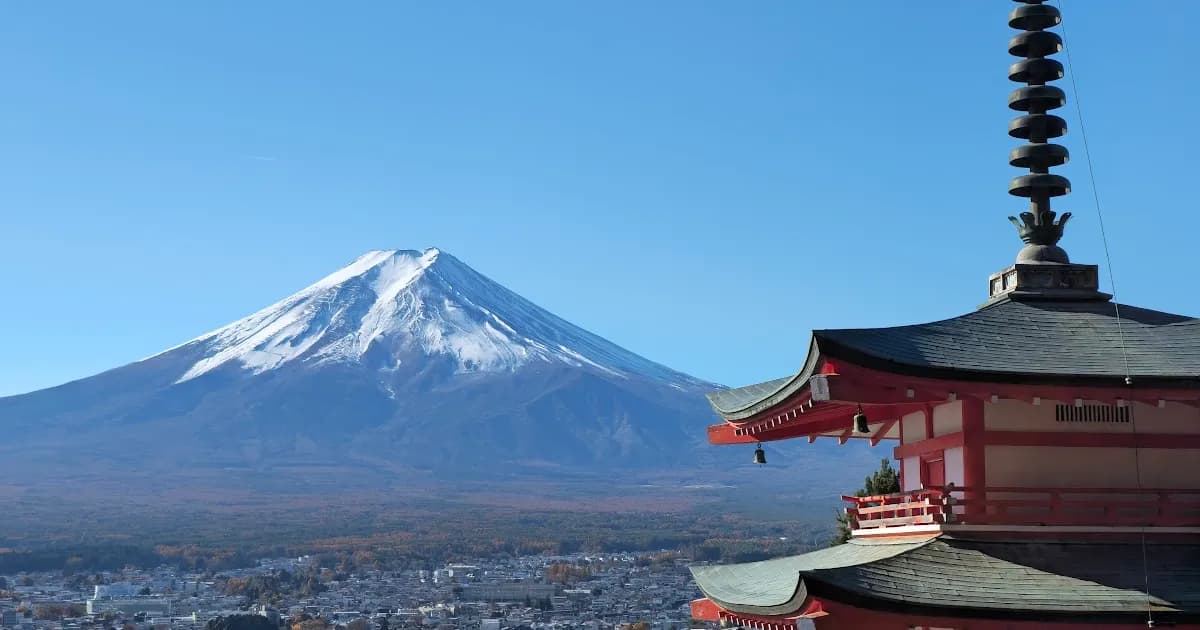
If you're visiting off-season, see Fuji from Hakone (hot springs, lake views, clear days only) or the Chureito Pagoda near Fujiyoshida. Or take the train to Kawaguchiko and walk the lake—free, beautiful, no crowds.
Q. Do I need to speak Japanese to visit these cities?
No, but learn 10 phrases and you'll have a way better time. All the popular cities in Japan have English signage at major stations and tourist sites. Google Translate's camera function works great for menus. Younger people in Tokyo and Osaka often speak conversational English.
But sumimasen (excuse me), arigatou gozaimasu (thank you), and eigo wa dekimasu ka (do you speak English?) will get you so much goodwill. Japanese people appreciate effort over fluency. I still butcher grammar after 12 years and people are patient.
Q. How much cash should I carry in Japan?
¥30,000-50,000 for a week, plus a credit card for hotels. Japan is still surprisingly cash-heavy. Small restaurants, temples, local shops, and some transit machines don't take cards. Convenience stores (konbini) have ATMs that accept foreign cards—7-Eleven and FamilyMart are your friends.
I carry ¥10,000 in my wallet daily, reload at konbini ATMs as needed (¥220 withdrawal fee usually). Major hotels and department stores take cards, but don't rely on it everywhere.
Bottom line: The popular cities in Japan earn their status. Tokyo, Kyoto, and Osaka deliver the experience people expect. But spend at least 3-4 days in less obvious places—Kanazawa, Takayama, Fukuoka—and you'll leave with stories your friends who only did Tokyo-Kyoto won't have. That's where Japan stops being a photo op and starts feeling real.