Nara Park: I Spent 3 Days With 1,200 Deer (Worth It?)
Nara Park in Nara is worth visiting if you have 1-2 days—the 1,200+ free-roaming deer are genuinely unique, temples like Todai-ji blow Kyoto out of the water, and you'll spend $40-70/day depending on your style. Skip it if you're doing a rushed 7-day Japan trip; the deer experience needs at least 5 hours to feel authentic, not Instagrammy.
I went thinking it'd be a 2-hour photo op. I ended up spending three full days because Nara Park isn't just a park—it's a 1,300-acre historic site where deer outnumber tourists (outside of cherry blossom season), and the temples have more soul than Kyoto's crowds.
Here's what nobody tells you: the deer will headbutt you if you tease them with crackers. I saw a guy get his map eaten. And the park closes exactly never—it's a public space that flows into neighborhoods, which makes it perfect for early mornings before the tour buses arrive.
Nara Park Quick Snapshot
| Category | Details |
|---|---|
| Best Time | Early April (cherry blossoms) or November (fall colors); avoid Golden Week |
| Daily Budget | Budget: $40 / Mid-range: $70 / Splurge: $120+ |
| Vibe | Historic, calm, deer chaos in concentrated spots |
| Skip If | You have less than 4 hours in Nara (rush kills the experience) |
| Must-Do | Feed deer at 6 AM before crowds, Todai-ji Great Buddha, Kasuga Taisha lanterns |
| Tourist Trap | ¥200 deer crackers near Todai-ji (same crackers ¥150 at south entrance) |
| WiFi Situation | Mediocre in park; Starbucks near Kintetsu Nara Station is your best bet |
I went thinking it'd be a 2-hour photo op. I ended up spending three full days because Nara Park isn't just a park—it's a 1,300-acre historic site where deer outnumber tourists (outside of cherry blossom season), and the temples have more soul than Kyoto's crowds.
Here's what nobody tells you: the deer will headbutt you if you tease them with crackers. I saw a guy get his map eaten. And the park closes exactly never—it's a public space that flows into neighborhoods, which makes it perfect for early mornings before the tour buses arrive.
Gear for This Trip
Perfect city daypack. Fits laptop, water bottle, and snacks without bulk.
All-day exploring needs all-day battery. Compact and fast-charging.
Block out subway noise, enjoy podcasts between stops.
Phone cameras are good. This is better — fits in your pocket.
As an Amazon Associate I earn from qualifying purchases.
Nara Park Quick Snapshot
| Category | Details |
|---|---|
| Best Time | Early April (cherry blossoms) or November (fall colors); avoid Golden Week |
| Daily Budget | Budget: $40 / Mid-range: $70 / Splurge: $120+ |
| Vibe | Historic, calm, deer chaos in concentrated spots |
| Skip If | You have less than 4 hours in Nara (rush kills the experience) |
| Must-Do | Feed deer at 6 AM before crowds, Todai-ji Great Buddha, Kasuga Taisha lanterns |
| Tourist Trap | ¥200 deer crackers near Todai-ji (same crackers ¥150 at south entrance) |
| WiFi Situation | Mediocre in park; Starbucks near Kintetsu Nara Station is your best bet |
What Actually Is Nara Park?
Nara Park (奈良公園) isn't a gated attraction—it's a massive public green space that includes Todai-ji Temple, Kasuga Taisha Shrine, Kofuku-ji Temple, museums, ponds, and about 1,200 sika deer that have been here since the 8th century.
📍 Related: 5 Days in Tokyo? I Wasted Day 3 (Use This Instead)
The deer are considered sacred messengers of the Shinto gods, which is why they're protected national treasures. They bow for food. They also steal shopping bags and chase slow tourists.
The park itself is free. The temples inside charge admission (¥600-800 each). You can easily spend 6-8 hours here if you're not sprinting through.
Why the Deer Matter (and Why They're Annoying)
These aren't zoo animals. Nara Park deer roam freely, cross streets, nap on temple steps, and have zero fear of humans. They've learned to bow because vendors taught them that bowing = crackers.
But here's the thing: they're aggressive when food is involved. I watched a deer corner a family and literally bite the dad's jacket pocket until he dropped the crackers. The City of Nara reports over 200 deer-related injuries per year—mostly biting, headbutting, or knocking people over.
My take: Feed them early morning (6-7 AM) when they're chill, or skip the crackers entirely and just observe. The deer vendors are everywhere, but the experience is way better when you're not being mobbed.
💡 Pro tip: Deer hate being touched on their antlers or back legs. If you want a photo, crouch to their level and let them approach you. Works 80% of the time.
Getting to Nara Park from Osaka or Kyoto
| Route | Time | Cost | Notes |
|---|---|---|---|
| Osaka (Namba) → Kintetsu Nara | 40 min | ¥680 (~$5) | Fastest; station is 5-min walk to park |
| Kyoto → Kintetsu Nara | 45 min | ¥640 (~$4.50) | Direct express train |
| Kyoto → JR Nara Station | 45 min | ¥720 (~$5.50) | JR Pass holders; 15-min walk to park |
| Osaka → JR Nara Station | 50 min | ¥820 (~$6) | Slower; use if you have JR Pass |
Verdict: Take Kintetsu. The station drops you at the park's edge. JR Nara Station is farther out and you'll waste 15 minutes walking through boring streets.
I did the Osaka-Nara route four times during my stay. Trains run every 10-15 minutes, so don't stress about schedules.
Navigating Nara Park Itself
The park has no official map at entrances (ridiculous, I know). Download the Google Maps offline area for Nara before you arrive.
Layout:
- North entrance: Kintetsu Nara Station → main deer concentration → Todai-ji
- Central: Kofuku-ji Temple, Nara National Museum, ponds
- South: Kasuga Taisha Shrine, Wakakusa Hill (deer + hiking)
- East: Nigatsu-do (best sunset view), fewer crowds
You can walk the entire park perimeter in 2 hours. Add temple visits and you're at 5-7 hours.
Where to Stay: Nara Park vs Nara Station Area
For nara park nara, i tested both. Here's the honest breakdown:
📍 Related: Don't Visit Tokyo's Onsen Until You Read This Guide
| Area | Pros | Cons | Best For |
|---|---|---|---|
| Nara Park edge | 6 AM deer access, quiet evenings, temple proximity | Fewer restaurants, pricier hotels | Early birds, photographers |
| Kintetsu Nara Station | Restaurant row, convenience stores, budget hostels | 10-min walk to park, tourist crowds | Budget travelers, short stays |
| JR Nara Station | Cheapest hotels | 20-min walk to park, dead at night | JR Pass users only |
My pick: Stay near Kintetsu Nara Station if it's your first visit. You get access to everything without sacrificing food options.
Specific Recommendations
Budget (¥4,000-6,000 / $30-45):
- Guesthouse Nara Komachi (check rates): Dorm beds ¥3,500, shared kitchen, 7-min walk to park. WiFi is solid—I worked from their common area for two afternoons.
- Super Hotel Lohas JR Nara Station (check rates): ¥5,500/night, free breakfast, onsen bath. The walk to Nara Park sucks but the price doesn't.
Mid-range (¥8,000-12,000 / $60-90):
- Hotel Nikko Nara (check rates): ¥9,800/night, attached to Kintetsu Station, rooftop views. I stayed here two nights—staff helped me print train tickets, rooms are small but functional.
- Nara Hotel (check rates): ¥11,000/night, historic building inside the park, afternoon tea service. Worth it if you're splurging.
Splurge (¥20,000+ / $150+):
- Fufu Nara: ¥28,000/night, private onsen, kaiseki meals. I didn't stay (budget life), but I toured the grounds—it's absurdly nice.
💡 Pro tip: Book 2-3 months ahead for November (fall colors) or early April (cherry blossoms). I showed up in late March and everything decent was full.
What to Actually Do in Nara Park
For nara park nara, forget the "top 10 things" lists. Here's what mattered after three days:
1. Todai-ji Temple (The Big Deal)
📍 Related: Ginzan Onsen: I Almost Skipped It (Huge Mistake)
Cost: ¥600 (~$4.50)
Time needed: 45-60 minutes
Rating: ★★★★★
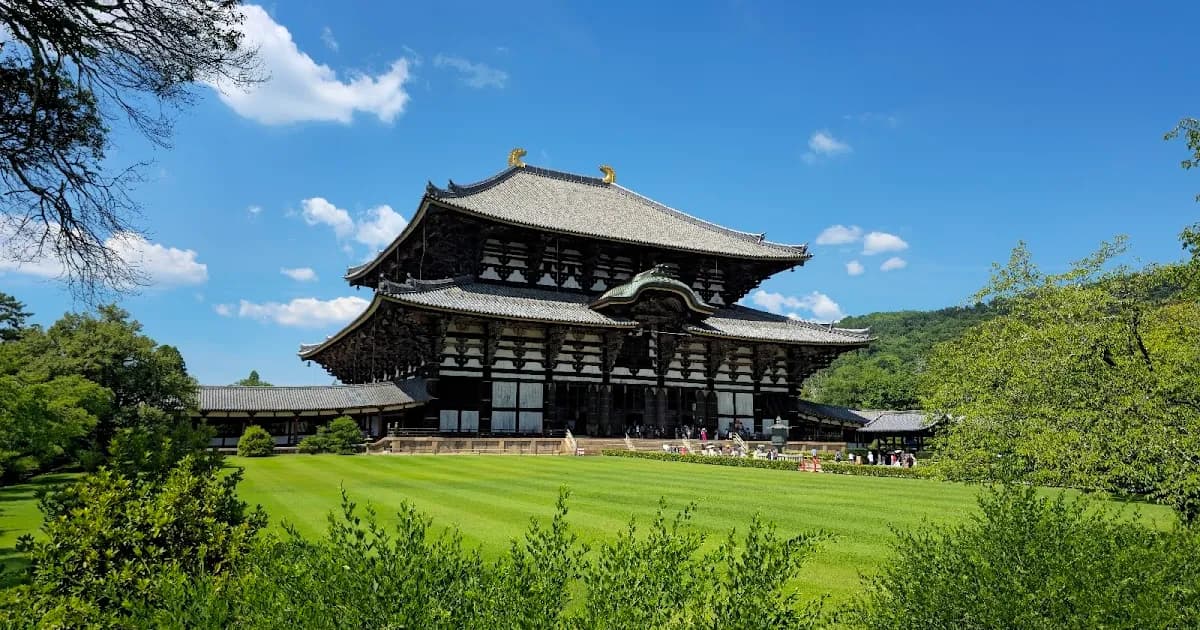
The Great Buddha Hall (Daibutsu-den) is the largest wooden building in the world, and the bronze Buddha inside is 15 meters tall. I've seen temple fatigue hit travelers hard in Japan—this one doesn't trigger it.
The building's scale is stupid impressive. The Buddha statue weighs 500 tons and has survived fires, earthquakes, and wars since 752 AD.
Skip the crowds: Go at 7:30 AM (opens at 7:30 Nov-Mar, 7 AM Apr-Oct). I was one of six people there at opening. By 10 AM it's a zoo.
There's a wooden pillar with a hole at the base—allegedly the same size as the Buddha's nostril. Tourists crawl through it for good luck. I tried. I'm 6'1" and got stuck halfway. Don't recommend.
2. Kasuga Taisha Shrine (The Lantern Obsession)
Cost: Main grounds free / Inner sanctuary ¥500
Time needed: 45 minutes
Rating: ★★★★☆
Over 3,000 stone and bronze lanterns line the pathways leading to this shrine. Twice a year (early February and mid-August) they light all of them—the Kasuga Taisha official site has exact dates.
I visited during the day and it was still worth it. The vermillion buildings against the forest backdrop are Instagram catnip, but the real draw is the lantern-lined corridor inside the paid section.
Digital nomad note: Zero WiFi here. Don't plan on uploading anything until you're back at a cafe.
3. Early Morning Deer (The Actual Best Experience)
Cost: Free (or ¥200 for crackers)
Time needed: 30-60 minutes
Rating: ★★★★★
This is why I stayed three days. At 6 AM, Nara Park deer are calm, the light is perfect, and you'll share the space with maybe a dozen people instead of 2,000.
I walked from Kintetsu Station to the Todai-ji approach at 5:50 AM each morning. Deer were napping on the grass, a few were grazing, and zero headbutting occurred. By 9 AM the cracker vendors arrive and it turns into a feeding frenzy.
💡 Pro tip: Deer congregate near the Todai-ji southern gate and around Kasuga Taisha's first torii gate. Avoid the lawn near the museum at midday—that's tour bus territory.
4. Wakakusa Hill (The View Nobody Mentions)
Cost: Free (¥150 during cherry blossom/fall season)
Time needed: 1-2 hours
Rating: ★★★★☆
This is the grassy hill you see in every Nara photo. It's a 20-minute hike to the top, and the view over Nara city and the park is legitimately great.
Deer hang out on the lower slopes. The upper section is quieter and you can actually sit without getting harassed for food.
I hiked it at 4 PM on a Tuesday—passed maybe 10 people. Bring water; there's no shade.
5. Isuien Garden (The Quiet Spot)
Cost: ¥900
Time needed: 45 minutes
Rating: ★★★☆☆
Traditional Japanese garden with ponds, tea houses, and borrowed scenery (they designed the garden so distant mountains look like part of the landscape).
It's beautiful but I'd skip it if you're short on time. The park itself offers better nature experiences for free.
When it's worth it: Rainy days. The garden is covered and peaceful when the park is muddy.
Food: What to Eat in and Around Nara Park
For nara park nara, nara has two food claims: kakinoha-zushi (persimmon leaf-wrapped sushi) and tea porridge. Both are regional. Both are... fine.
Budget Eats (¥500-1,000 / $4-8)
Maguro Koya (near Kintetsu Station): Tuna rice bowls for ¥650. I ate here three times because it's fast, cheap, and the tuna is absurdly fresh for the price.
Nakatanidou (Higashimuki shopping street): Famous for mochi pounding shows. They pound mochi at lightning speed every hour. ¥150 for a pack, buy it fresh. I watched the 2 PM show—entertaining if you're into it, skippable if you're not.
Family Mart / 7-Eleven (multiple locations): Onigiri ¥120, bento boxes ¥400-600. I lived on konbini meals two out of three days. The egg salad sandwiches are weirdly great.
Mid-Range (¥1,500-3,000 / $11-23)
Kikusuiro (inside the park): Kaiseki lunch sets ¥2,800. Traditional multi-course meal with seasonal ingredients. Service is slow—budget 90 minutes.
Kamakura Pasta (near Kintetsu Station): Wafu pasta (Japanese-style). ¥1,200-1,600. I had the mentaiko cream pasta and it was better than it had any right to be.
Mahoroba Daibutsu Pudding Honpo (park entrance): Custard pudding shop. ¥420 for a jar. The line is always long but it's worth it—I'm not even a dessert person and I bought two.
💡 Pro tip: Restaurants inside Nara Park close early (6-7 PM). If you want dinner options, head back toward the stations.
3-Day Nara Park Itinerary (What I Actually Did)
For nara park nara, this is my real schedule, adjusted after mistakes.
Day 1: Deer + Todai-ji Focus
6:00 AM: Walk from hotel to Nara Park. Feed deer near Todai-ji (calm, perfect photos).
7:30 AM: Enter Todai-ji at opening. Spend 45 minutes. Skip the nostril pillar.
9:00 AM: Breakfast at Family Mart. Coffee + onigiri.
10:00 AM: Walk to Kasuga Taisha. Explore grounds. Skip inner sanctuary if you're budgeting.
12:00 PM: Lunch at Maguro Koya (¥650 tuna bowl).
1:30 PM: Nara National Museum OR wander park's east side (Nigatsu-do for views).
4:00 PM: Return to hotel, rest.
6:00 PM: Dinner near Kintetsu Station.
8:00 PM: Walk through illuminated shopping street, buy snacks.
Day 1 cost: ¥4,200 (~$32) including meals, admissions, transport from Osaka.
Day 2: South Park + Hiking
7:00 AM: Early deer time again (never gets old).
8:30 AM: Breakfast at hotel or konbini.
9:30 AM: Hike Wakakusa Hill. Spend 90 minutes at top.
12:00 PM: Packed lunch on the hill (bought at 7-Eleven).
2:00 PM: Explore Kasuga Taisha's forest trails (free, fewer tourists).
4:00 PM: Isuien Garden if weather is bad; otherwise skip and rest.
6:00 PM: Dinner at Kamakura Pasta.
7:30 PM: Evening walk through park (deer are active again after crowds leave).
Day 2 cost: ¥3,100 (~$24) lighter day, mostly walking.
Day 3: Museums + Backup Plans
8:00 AM: Sleep in (finally).
9:30 AM: Breakfast at Starbucks near Kintetsu Station (WiFi catch-up, emails).
11:00 AM: Nara National Museum (¥700, modern Buddhist art collection).
1:00 PM: Lunch at Kikusuiro (kaiseki splurge).
3:00 PM: Kofuku-ji Temple + Five-Story Pagoda (¥500).
5:00 PM: Final deer photos (golden hour is chef's kiss).
6:30 PM: Return to Osaka.
Day 3 cost: ¥5,400 (~$41) splurge day with kaiseki.
Tourist Traps and What to Skip
1. Deer crackers from main vendors: ¥200 near Todai-ji. Same crackers ¥150 at south entrance. Same deer, cheaper crackers.
2. Weekday mornings at Nakatanidou: The mochi pounding show draws huge crowds on weekends. Go Tuesday-Thursday at 2 PM or skip it.
3. Nara Park on tour bus schedule (10 AM - 2 PM): If you visit midday, you're fighting cruise ship groups. Early morning or late afternoon is the move.
4. Buying bottled water inside the park: ¥180 vs ¥110 at konbini. Bring your own.
5. Expecting English everywhere: Nara is less tourist-optimized than Kyoto. Download Google Translate offline for Japanese.
Digital Nomad Reality Check
For nara park nara, i tried working from Nara for two of the three days. Here's what actually works:
WiFi spots:
- Starbucks (Kintetsu Station): Solid, not crowded before 11 AM.
- Hotel lobbies: Hotel Nikko Nara lets non-guests use lobby WiFi.
- Park itself: Forget it. No public WiFi.
Coworking: None in Nara proper. If you need dedicated workspace, stay in Osaka and day-trip.
Power outlets: Scarce. Bring a battery pack.
Vibe: Nara shuts down after 6 PM. If you need evening work sessions with food/coffee access, this isn't your city.
Daily Budget Breakdown (Real Numbers)
| Category | Budget | Mid-Range | Splurge |
|---|---|---|---|
| Accommodation | ¥3,500 (~$26) | ¥9,000 (~$68) | ¥25,000 (~$188) |
| Food (3 meals + snacks) | ¥1,800 (~$14) | ¥3,500 (~$26) | ¥7,000 (~$53) |
| Temple Admissions | ¥600 (~$5) | ¥1,500 (~$11) | ¥1,500 (~$11) |
| Transport (from Osaka/Kyoto) | ¥680 (~$5) | ¥680 (~$5) | ¥680 (~$5) |
| Deer Crackers | ¥150 (~$1) | ¥200 (~$2) | ¥0 (hire photographer) |
| Misc (souvenirs, etc.) | ¥500 (~$4) | ¥1,500 (~$11) | ¥3,000 (~$23) |
| TOTAL per day | ¥7,230 (~$55) | ¥16,380 (~$123) | ¥37,180 (~$280) |
These are averages based on my three days. Your costs will vary if you:
- Stay overnight vs day-trip (saves ¥3,500-25,000)
- Eat more konbini meals vs restaurants
- Skip museums (saves ¥700-1,500/day)
Honest Take: Is Nara Park Worth It?
Yes, if: You have 1-2 days to spare, you like animals/nature/temples, and you're not on a "hit 15 cities in 10 days" rush.
No, if: You're doing a whirlwind Japan trip and already visiting Kyoto (Kyoto's temples are great; the deer experience is Nara's unique card).
What surprised me most wasn't the deer—it was how calm Nara Park felt compared to Kyoto's tourist chaos. Even at midday with crowds, the park's size absorbs people. Early mornings felt borderline meditative.
The three-day stay was overkill for most travelers, but I wanted to see the park at different times/weather. Two days is the sweet spot: one for main temples + deer, one for hiking + southern shrines.
If you're day-tripping from Osaka or Kyoto, focus on Todai-ji + deer + Kasuga Taisha. You'll need 5-6 hours minimum to not feel rushed.
Packing Essentials for Nara Park
For nara park nara, you don't need much, but these made my trip better:
- Wet wipes: Deer slobber on everything. Bring Wet Ones antibacterial wipes or you'll regret it.
- Portable charger: No outlets in the park. I used an Anker 20,000mAh.
- Comfortable shoes: You'll walk 15,000+ steps easily. Hiking boots if doing Wakakusa Hill.
- Rain jacket: Weather shifts fast. I got caught in a downpour day two.
- Ziplock bags: Protect your phone/wallet from deer investigations.
- Sunscreen: Zero shade in open lawn areas.
💡 Pro tip: Don't bring shopping bags with food. Deer will destroy them. I watched a deer eat an entire paper bag from a bakery.
💡 Related: Tokyo on $50/Day? I Tracked Every Yen (Real Numbers). You can't camp, and the park technically has no gates, so "inside" is subjective. The benefit of staying in the park area is 6 AM deer access and evening quiet after day-trippers leave. I stayed near Kintetsu Station for food access but wished I'd splurged one night on a park-edge hotel for early morning photography without the 15-minute walk.
Final word: Nara Park surprised me. I expected a 3-hour tourist checkbox and instead spent three days because the early morning deer encounters and Todai-ji's scale earned it. If you're doing Japan beyond Tokyo-Kyoto-Osaka, add Nara. The deer will headbutt you, your photos will be better than your friends' Kyoto shots, and you'll actually remember the experience instead of blurring it with 47 other temples.