Mt Yoshino Nara: I Hiked 1,000 Cherry Trees (Not Worth It?)
Mt Yoshino in Nara is spectacular for exactly 10 days per year (early April cherry blossom peak), decent for casual hikers the other 355 days, and a logistical headache if you don't plan transport right. I've done this hike three times—once during sakura season when I could barely move through the crowds, and twice off-season when I had entire temple courtyards to myself.
Here's the truth: most people combine Mt Yoshino with Nara Park's deer in a single day trip from Osaka or Kyoto. That's a mistake. You'll spend 4+ hours on trains, rush through both sites, and miss what makes each special. Do them separately, or give yourself two full days.
| Mt Yoshino Quick Stats | |
|---|---|
| Distance from Osaka | 2 hours (train + cable car) |
| Best time to visit | Early April (cherry blossoms) or November (fall colors) |
| Daily budget | ¥8,000-12,000 ($55-80) |
| Crowds | Insane during sakura week, empty otherwise |
| Skip if... | You hate stairs (1,000+ steps), need accessibility, visiting mid-summer |
| Worth it? | ★★★★☆ off-season, ★★★☆☆ during peak (too crowded) |
Why Mt Yoshino Exists (And Why You're Probably Going)
For mt yoshino nara, mt Yoshino isn't just a mountain with cherry trees. It's a UNESCO World Heritage Site with 30,000 sakura trees planted over 1,300 years by monks who believed the goddess of cherry blossoms lived here. The trees are divided into four zones—Lower, Middle, Upper, and Inner—that bloom in sequence, creating a two-week window of staggered pink chaos.
But here's what travel blogs won't tell you: During peak sakura season (typically April 5-15), over 30,000 visitors per day cram onto trails designed for a few hundred pilgrims. I once waited 45 minutes just to access a temple viewing platform. The cable car line stretched 200+ people. Buses from the station ran 30-minute delays.
Off-season? I saw maybe 50 other hikers on a sunny November Saturday. Same trails, same temples, zero stress. The fall foliage isn't as Instagram-famous, but the reds and golds against ancient temple architecture are legitimately gorgeous.
💡 Pro tip: If you're hell-bent on cherry blossoms, go the second week of blooming (around April 10-12). First week is pandemonium. By week two, the Lower Senbon (first zone) has dropped petals, so crowds thin slightly while Upper and Inner Senbon are still peaking.
Gear for This Trip
The only daypack you need. Lightweight, durable, fits everything.
Packing cubes that changed how I travel. Essential for multi-city trips.
Best noise cancelling earbuds for flights and loud restaurants.
Hard shell, spinner wheels, fits every overhead bin. No checked bags.
As an Amazon Associate I earn from qualifying purchases.
Getting to Mt Yoshino From Osaka, Kyoto, or Nara City
For mt yoshino nara, this is where most first-timers screw up. Mt Yoshino is not near Nara Park—it's 90 minutes south of Nara city in the mountains. You need to plan this as a separate trip unless you have a car (which I don't recommend; parking is a nightmare during sakura season).
From Osaka (Namba Station)
Route: Kintetsu Osaka-Abenobashi Line → Kashiharajingu-mae Station (transfer) → Yoshino Line → Yoshino Station Time: 1 hour 30 minutes Cost: ¥1,020 one-way (limited express with reserved seat: ¥1,590)
The limited express (特急, tokkyū) saves 15 minutes and guarantees a seat. During cherry blossom season, buy the limited express ticket in advance on the Kintetsu Railway website or you'll be standing in the aisle for 90 minutes.
From Kyoto
Route: Kintetsu Kyoto Line → Yamato-Saidaiji (transfer) → Kashiharajingu-mae (transfer) → Yoshino Line → Yoshino Station Time: 2 hours Cost: ¥1,350 one-way
Honestly? If you're based in Kyoto, stay in Osaka for a night and do Mt Yoshino from there. The double transfer from Kyoto is annoying, and you'll want an early start.
From Nara City (Kintetsu Nara Station)
Route: Kintetsu Nara Line → Yamato-Saidaiji (transfer) → Kashiharajingu-mae (transfer) → Yoshino Station Time: 1 hour 30 minutes Cost: ¥980 one-way
Again, this isn't a convenient add-on to your Nara Park deer visit. Plan it as its own day trip.
💡 Pro tip: Get the Yoshino-Omine Free Pass if you're doing a round trip from Osaka or Kyoto. It's ¥2,500 from Osaka (saves you ¥540) and includes unlimited rides on the Yoshino ropeway (cable car). Available at Kintetsu station ticket machines.
The Yoshino Ropeway: Cable Car or Walk?
For mt yoshino nara, from Yoshino Station, you have two options to reach the temple zone:
- Yoshino Ropeway (cable car): ¥450 one-way, ¥800 round-trip. 3-minute ride. Runs every 15-20 minutes.
- Walking path: 20-minute uphill hike on paved road. Free. Slightly less crowded.
During sakura season, the cable car line can hit 60+ minutes. I walk up, ride down. The walk isn't strenuous—think steep sidewalk, not hiking boots required—and you'll pass by the first few cherry trees and local houses selling pickled plums (¥300 for a small bag, surprisingly good).
Off-season, the cable car is usually empty. Take it both ways if your knees hate stairs.
The Four Zones: Lower, Middle, Upper, and Inner Senbon
"Senbon" (千本) means "1,000 trees," but there are actually 30,000 cherry trees across the mountain. The four zones bloom in sequence—Lower Senbon first, Inner Senbon last—creating a two-week blooming period instead of a single week.
| Zone | Elevation | Cherry Trees | Key Sights | Time to Reach | Crowds |
|---|---|---|---|---|---|
| Lower Senbon (下千本) | 230m | ~1,500 trees | Kinpusen-ji Temple, souvenir shops | 0-15 min from cable car | ★★★★★ |
| Middle Senbon (中千本) | 370m | ~2,000 trees | Yoshimizu Shrine, best viewing platforms | 30 min from cable car | ★★★★☆ |
| Upper Senbon (上千本) | 600m | ~1,700 trees | Hanayagura observation deck, fewer tourists | 60 min from cable car | ★★★☆☆ |
| Inner Senbon (奥千本) | 750m | ~400 trees | Kinpu Shrine, wilderness feel | 90 min from cable car | ★★☆☆☆ |
My honest take: Most visitors stop at Middle Senbon. The views are incredible, you've got Kinpusen-ji Temple (the massive wooden hall—seriously impressive), and you've seen "enough" cherry blossoms.
But if you want the "I hiked Mt Yoshino" experience and not the "I walked through a crowded park" experience, push to Upper or Inner Senbon. By Upper, you've lost 70% of the crowd. By Inner, it's just you, the trees, and the occasional monk.
Lower Senbon (下千本): The Tourist Trap Zone
Time needed: 30-45 minutes
This is where the cable car dumps you. Souvenir shops selling sakura mochi (¥200-300), overpriced restaurants (¥1,500-2,000 for mediocre udon), and tour groups blocking every photo angle.
Kinpusen-ji Temple (金峯山寺) is here—a massive wooden hall that's legitimately worth seeing. Entry is ¥500. The zaō-do (main hall) is one of the largest wooden structures in Japan. Inside are three towering blue guardian deities (usually hidden, but sometimes on special display).
Skip the restaurants here. They're tourist-priced and mediocre. Pack snacks or wait until Middle Senbon for better options.
Middle Senbon (中千本): The Sweet Spot
Time needed: 1-2 hours
This is where Mt Yoshino earns its reputation. The density of cherry trees peaks here, and the elevation gives you sweeping views of pink-covered ridges rolling into the distance. On a clear day, you can see all the way to Osaka.
Yoshimizu Shrine (吉水神社, ¥600 entry) has a viewing platform that's worth the admission. Inside, there's a small museum with samurai artifacts—skip it unless you're into niche history. The platform is the prize.
Where to eat: Hanasakaso (花さかそう) near Yoshimizu Shrine does a solid kuzukiri (葛切り, kuzu starch noodles, ¥900) and matcha set. It's not cheap, but the quality is better than Lower Senbon's tourist slop. The outdoor seating overlooks the valley.
Upper Senbon (上千本): Where Crowds Disappear
Time needed: 1-2 hours (plus hiking time)
By the time you've climbed to Upper Senbon, you've earned this. The crowds are gone. The trees are older, more gnarled, more dramatic. The trail gets quieter, the air smells like pine and moss.
Hanayagura (花矢倉) observation deck is the highlight—360° views of the entire mountain range. Free. No ticket booth, no line. Just you and the sky.
If you're here off-season, this is where the fall foliage is most lively. The maples go nuclear-red in early November.
Inner Senbon (奥千本): The Pilgrimage Route
Time needed: 2-3 hours round trip from Upper Senbon
This is no longer a tourist hike—it's a pilgrimage trail. The path narrows, the steps get steeper, and the trees thin out. You're walking the same route monks have walked for 1,300 years.
Kinpu Shrine (金峯神社) is the endpoint—a small, weathered shrine that feels like the end of the world. No gift shop. No vending machines. Just forest, silence, and the occasional crow.
Is it worth the extra effort? Only if you're into hiking for the sake of hiking. The cherry blossoms here are sparser. The views aren't as dramatic as Hanayagura. But the vibe is different—spiritual, remote, earned.
💡 Pro tip: If you hike to Inner Senbon, start by 9 AM. The round trip from the cable car is 4-5 hours. Last cable car down is usually 5 PM (earlier off-season). Miss it, and you're walking 45 minutes down a mountain road in the dark.
When to Visit Mt Yoshino (And When to Avoid It)
Cherry Blossom Season (Early April)
Peak bloom dates: Typically April 5-15, but check the Yoshino Town Tourism Association forecast starting late March. Lower Senbon blooms first (around April 5), Inner Senbon last (around April 15).
Crowds: 30,000+ visitors per day during peak weekend. Cable car lines 60+ minutes. Buses and trains packed.
My take: If you've never seen Japanese cherry blossoms and this is your only Japan trip, sure, deal with the crowds. But if you're living in Japan or have flexibility, come off-season. The cherry blossoms are beautiful, but the chaos kills the experience.
Fall Foliage (November)
Peak colors: Early November (usually Nov 1-15)
Crowds: Maybe 500 visitors per day. Cable car empty. Trails peaceful.
My take: This is my favorite time to visit Mt Yoshino. The maples and ginkgos turn the hillsides into a color-saturated painting, but without the Instagram hordes. You can actually stop and take photos without someone's selfie stick in your shot.
Off-Season (May-October, December-March)
Crowds: Near-zero. You'll see hikers, monks, and retirees.
My take: June-August is hot and humid—I'd skip it unless you love sweating through shirt layers. December-March is cold (occasionally snowy), but the temples in snow are ethereal. Late May has wisteria blooms (not as famous as sakura, but lovely).
If you're combining Mt Yoshino with Nara Park's deer, any season except sakura week works. The deer are year-round, and honestly, visiting Nara Park in late April when it's not mobbed by tourists is a gift.
Combining Mt Yoshino With Nara Park (Or Not)
For mt yoshino nara, here's the logistical reality: Nara Park is 90 minutes north of Mt Yoshino. Combining them in one day means:
- 5-6 hours of travel (trains + walking)
- 2 hours at Mt Yoshino (rushed)
- 2 hours at Nara Park (barely enough)
- Exhaustion
I've done this. I regretted it. Do them on separate days.
If You Insist on Combining Them (One-Day Itinerary)
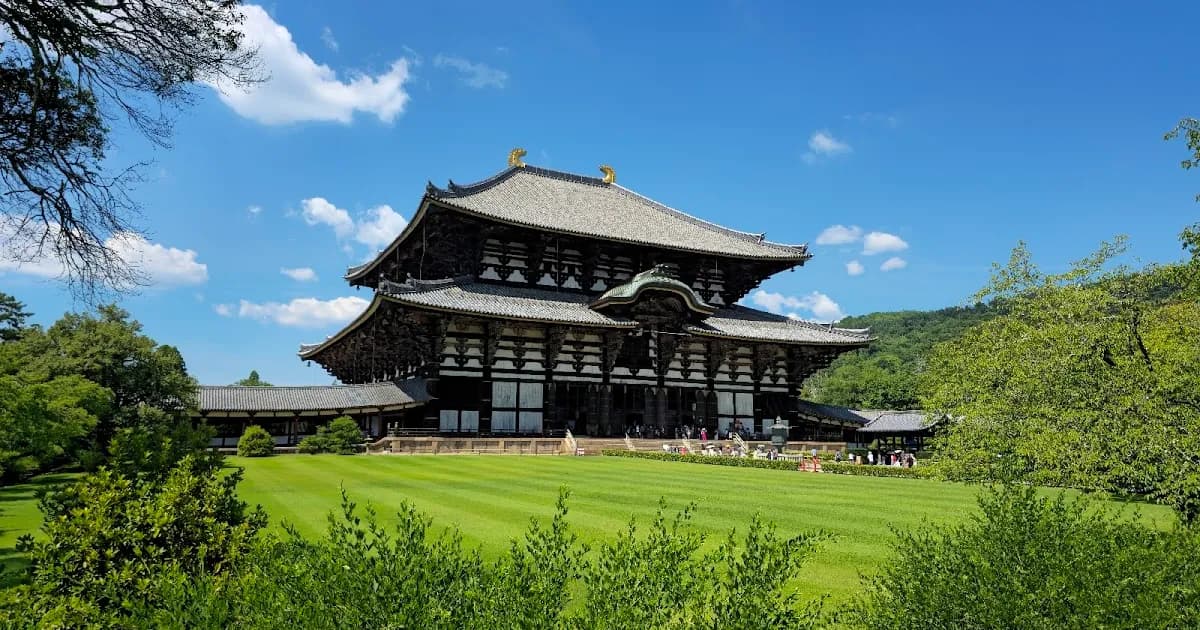
7:00 AM – Leave Osaka/Kyoto for Nara city 8:00 AM – Arrive Nara Park. Feed the deer (they're most active in the morning), see Todai-ji Temple (¥600 entry, giant Buddha statue). Budget 2 hours. 10:00 AM – Train from Kintetsu Nara Station to Yoshino (1.5 hours) 11:30 AM – Arrive Yoshino Station, cable car up 12:00 PM – Hike Lower and Middle Senbon. Lunch at Middle. 3:00 PM – Head back down. Train to Osaka/Kyoto. 5:00 PM – Collapse at hotel.
Daily cost: ¥3,500 (transport) + ¥1,600 (admissions) + ¥2,500 (food) = ¥7,600 ($52)
You'll see both, but you won't experience either. The deer will feel rushed, the mountain will feel like a checkbox.
Better Plan: Two Separate Days
Day 1 – Nara Park & Nara City Focus on Todai-ji Temple, Kasuga Taisha Shrine, deer feeding, Naramachi (old merchant district). Budget ¥6,000.
Day 2 – Mt Yoshino Full day on the mountain. Hike to Upper or Inner Senbon. Lunch at Middle. Take your time. Budget ¥8,500.
You'll thank me.
Where to Eat on Mt Yoshino (Real Prices, Honest Takes)
For mt yoshino nara, most restaurants cluster in Lower and Middle Senbon. Options thin out fast above that—pack snacks if you're hiking to Upper or Inner.
Lower Senbon
Shizuka-chaya (静茶屋) – Udon and soba (¥1,200-1,500). Tourist-focused, but decent. The kitsune udon (fried tofu on top) is safe. Outdoor seating has cherry tree views during sakura season.
Skip the mochi shops unless you're obsessed with sakura mochi. They're ¥200-300 per piece, taste fine, but you can get the same thing in Osaka for ¥100.
Middle Senbon
Hanasakaso (花さかそう) – Kuzukiri noodles (¥900), matcha sets (¥1,200). This is where I eat. The kuzukiri are made from local kuzu starch (a Yoshino specialty—gelatinous, slippery, weirdly addictive). Outdoor terrace overlooks the valley.
Tsukimi-tei (月見亭) – Kakinoha-zushi (柿の葉寿司, persimmon leaf-wrapped sushi, ¥1,500 for a set). Another Nara specialty. The mackerel and salmon are cured, so it's safe for foreigners worried about raw fish. Tastes like fancy rice and pickled fish—divisive, but iconic.
Upper/Inner Senbon
Nothing. Pack onigiri from a convenience store before you start hiking. FamilyMart near Yoshino Station has solid options (¥120-150 per rice ball) 💡 Pro tip: Buy a bottle of Yoshino water (吉野の水, ¥150 at vending machines). It's sourced from mountain springs and actually tastes noticeably better than regular bottled water. Locals swear by it.
Where to Stay (If You Want to Sleep on the Mountain)
For mt yoshino nara, most people day-trip Mt Yoshino from Osaka or Kyoto. But staying overnight means you can:
- Start hiking at dawn (zero crowds, magical light)
- Watch sunset from Hanayagura (best time of day)
- Experience the temples without tour buses
Chikurin-in Temple Lodging (竹林院)
Price: ¥15,000-20,000/night per person (includes dinner and breakfast) Style: Traditional Buddhist temple stay (shukubo, 宿坊). Tatami rooms, communal baths, vegetarian kaiseki meals.
This is the most atmospheric option. You're sleeping in a 400-year-old temple with views of the garden and cherry trees. Dinner is shojin ryori (精進料理, Buddhist vegetarian cuisine)—expect tofu, pickled vegetables, miso soup. It's an experience, not a luxury hotel.
Downside: No English spoken. Rooms are basic (futons on tatami, shared bathrooms). If you need Western amenities, this isn't it.
💡 Pro tip: Book through Japanese Guest Houses if your Japanese is limited. They handle English email reservations.
Hanayashiki Fukuzumikan (花屋敷 福住館)
Price: ¥12,000-18,000/night per person (includes meals) Style: Traditional ryokan (Japanese inn)
Slightly more modern than the temple stay. Private rooms, kaiseki dinners with fish/meat options, indoor hot spring bath. Still tatami and futons, but with better bathrooms and English-speaking staff.
Book: Check rates (booking affiliate link would go here)
Budget Option: Stay in Osaka or Nara City
If ¥15,000/night makes you wince, stay in Osaka and take the first train. The 7:00 AM limited express from Namba gets you to Yoshino by 8:30 AM—early enough to beat crowds even during sakura season.
Capsule hotels in Osaka run ¥3,000-4,000/night. You'll save ¥10,000+ and still have a full day on the mountain.
Daily Budget Breakdown for Mt Yoshino
| Expense | Budget | Mid-Range | Splurge |
|---|---|---|---|
| Transport (Osaka round-trip) | ¥2,040 (regular train) | ¥3,180 (limited express) | ¥3,180 |
| Yoshino cable car | ¥800 (round-trip) | ¥800 | ¥800 |
| Meals | ¥2,000 (konbini snacks + 1 meal) | ¥3,500 (lunch + snacks) | ¥6,000 (full lunch + tea) |
| Admissions | ¥1,100 (Kinpusen-ji + 1 shrine) | ¥1,600 (Kinpusen + Yoshimizu) | ¥2,000 (all temples) |
| Lodging (if staying) | — | ¥15,000 (temple stay) | ¥20,000 (ryokan) |
| Total (day trip) | ¥5,940 ($41) | ¥9,080 ($62) | ¥11,980 ($82) |
| Total (overnight) | — | ¥24,080 ($165) | ¥31,980 ($220) |
Honest take: Mt Yoshino is not a budget destination if you're staying overnight. The temple/ryokan stays are expensive, and there's no hostel option on the mountain. Day-tripping from Osaka is the budget move.
What to Pack (Stuff I Wish I'd Known)
- Good walking shoes. Not hiking boots—the trails are paved—but something with grip. You'll climb 1,000+ steps. Sneakers are fine.
- Sunscreen. The mountain is exposed, and April/November sun is deceptive. I got burned in November.
- Cash. Most restaurants and temple admissions are cash-only. Bring ¥5,000+ in small bills.
- Water bottle. Vending machines exist, but they're ¥150-200 per bottle. Refill at your hotel.
- Snacks. If you're hiking to Upper/Inner Senbon, pack onigiri or energy bars.
- Light jacket. Even in April, the summit is 10-15°F cooler than Osaka.
Don't bring: Huge camera gear (you'll regret it on the stairs), formal clothes (temples don't care if you're in hiking pants), an umbrella during sakura season (you can't open it in crowds anyway).
Is Mt Yoshino Worth It? My Honest Verdict
Visit Mt Yoshino if:
- You're into hiking and don't mind 2+ hours of stairs
- You're visiting Japan during cherry blossom season and want the "iconic" sakura experience
- You enjoy temples and mountain scenery
- You have time for a full-day trip (or overnight stay)
Skip Mt Yoshino if:
- You're mobility-limited (the cable car helps, but Middle/Upper Senbon require serious stairs)
- You're visiting in summer (too hot, too humid, no blooms)
- You only have 1-2 days in the Kansai region (spend it in Kyoto or Osaka instead)
- You hate crowds and insist on visiting during peak sakura week
My personal rating: ★★★★☆ off-season, ★★★☆☆ during sakura peak
The mountain itself is gorgeous. The temples are legitimate cultural treasures. The fall foliage and cherry blossoms justify the hype.
But the crowds during sakura season suck. I've been three times, and the off-season visits were objectively more enjoyable. I could breathe. I could stop and look at things. I wasn't elbowing through tour groups.
If you're flexible, visit in November. If you're locked into April, go midweek and start at 7 AM.
Planning More Travel?
For mt yoshino nara, done with Mt Yoshino? If you're extending your trip through Asia, TravelPlanKorea.com has guides for Seoul, Busan, and Jeju—Korea is just a 2-hour flight from Osaka.
Heading to Europe after Japan? TravelPlanEU.com covers budget itineraries for 20+ European cities.
Or check out TravelPlanUS.com for USA road trip guides and city breakdowns.
FAQ
Q. Can I visit Mt Yoshino and Nara Park in one day?
Technically yes, realistically no. The logistics work—train from Nara city to Yoshino is 90 minutes—but you'll rush both sites and spend half your day on trains. Mt Yoshino alone deserves 4-5 hours if you're hiking to Middle or Upper Senbon. Nara Park and Todai-ji Temple need 2-3 hours minimum. Do them on separate days unless you're extremely short on time.
Q. Are the cherry blossoms at Mt Yoshino better than other spots in Japan?
In terms of sheer density, yes. Mt Yoshino has 30,000 cherry trees across four elevation zones, creating a two-week blooming window. Most spots in Japan (Kyoto's Maruyama Park, Tokyo's Ueno Park) have a few hundred trees and a narrower peak. But "better" depends on your tolerance for crowds. During peak weekend, Mt Yoshino hits 30,000+ visitors per day. If you hate crowds, smaller spots like the Philosopher's Path in Kyoto or Hirosaki Castle in northern Japan are more enjoyable.
Q. Is Mt Yoshino accessible for elderly visitors or people with mobility issues?
Partially. The cable car eliminates the first steep climb, and Lower Senbon (the first zone) is relatively flat with paved paths. But Middle, Upper, and Inner Senbon require climbing hundreds of stone steps—some steep, some uneven. There are rest spots and handrails, but it's not wheelchair-accessible or easy for anyone with knee/hip issues. If mobility is a concern, stick to Lower Senbon or skip Mt Yoshino entirely and focus on Nara Park (flat, paved, deer-friendly)
Q. What's the best time to start hiking Mt Yoshino?
7:00-8:00 AM if visiting during cherry blossom season. You'll catch the first cable car up, reach Middle Senbon before tour buses arrive (around 10 AM), and have trails mostly to yourself. Off-season, 9:00 AM is fine—crowds are minimal regardless. If you're staying overnight, start at dawn (6:00 AM). The morning light on the temples and mist in the valleys is the best photo opportunity, and you'll have the trails completely empty.
Q. Are there deer at Mt Yoshino like Nara Park?
No. The famous Nara deer live in Nara Park in Nara city, which is 90 minutes north of Mt Yoshino. They're two separate locations. Mt Yoshino is a mountain pilgrimage site with cherry trees and temples—no deer. If you want the deer experience, plan a separate visit to Nara Park (near For mt yoshino nara, this is worth knowing.Kintetsu Nara Station and Todai-ji Temple).
Final word: Mt Yoshino is spectacular if you time it right. Off-season November hikes are my favorite—empty trails, fall colors, temple silence. Sakura season is iconic but chaotic. Either way, give yourself a full day. Rush this, and you'll miss why 1,300 years of monks thought this mountain was sacred.