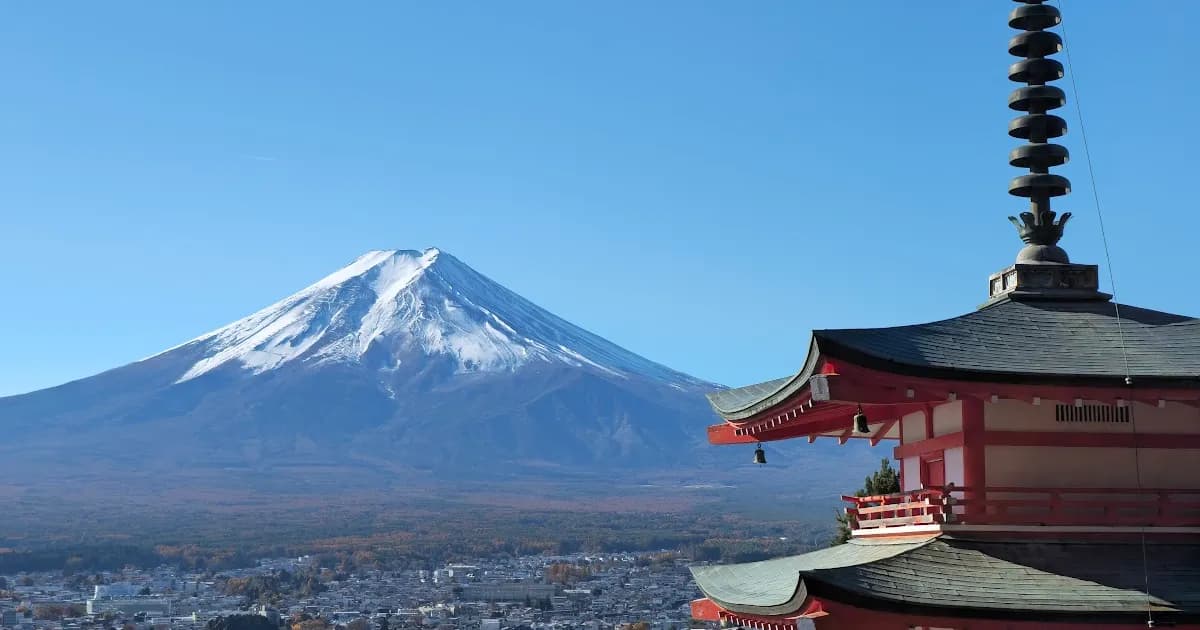
Japan's 12 Tourist Cities: I Ranked Them All (Real Talk)
I've spent a decade exploring every corner of this country, and I'm tired of generic lists that put Tokyo first just because it's the capital. The truth? Tokyo isn't even in my top 3 for first-time visitors Here are the top tourist cities in Japan ranked by someone who actually lives here, with real talk about what makes each one worth your time (or not).
1. Kyoto — The Only City That Actually Lives Up to the Hype
Why it wins: You came to Japan for temples, bamboo forests, and geishas. Kyoto has 2,000+ temples, the actual bamboo forest everyone photographs, and the only remaining geisha district that isn't a tourist show Time needed: 4-5 days minimum (most people regret booking only 2)
Best base: Stay near Kawaramachi Station. You're walking distance to Gion (geisha district) and Nishiki Market, plus the subway connects you to everything else.
What You Can't Skip
| Spot | Cost | Time | Pro Rating |
|---|---|---|---|
| Fushimi Inari (1,000 torii gates) | Free | 2-3 hours | ★★★★★ |
| Arashiyama Bamboo Grove | Free | 1 hour | ★★★★☆ |
| Kinkaku-ji (Golden Pavilion) | ¥500 | 1 hour | ★★★★☆ |
| Gion district evening walk | Free | 1-2 hours | ★★★★★ |
💡 Pro tip: Get to Fushimi Inari by 7am. Seriously. By 10am it's a traffic jam of selfie sticks. The early morning fog through the gates is worth setting your alarm for.
What sucks: It's crawling with tourists (ironic, I know). The bus system is confusing for first-timers — download the Google Maps app and use it religiously.
Daily budget: ¥8,000-¥12,000 ($55-$85) including a decent hotel
For more timing tips, check out Don't Book Tokyo Yet—Best Month Depends on This-month) which covers Kyoto's seasons too.
Gear for This Trip
The only daypack you need. Lightweight, durable, fits everything.
Packing cubes that changed how I travel. Essential for multi-city trips.
Best noise cancelling earbuds for flights and loud restaurants.
Hard shell, spinner wheels, fits every overhead bin. No checked bags.
As an Amazon Associate I earn from qualifying purchases.
2. Osaka — Where Japanese People Actually Let Loose
Why it's better than Tokyo: The food is cheaper, the people are friendlier, and nobody's pretending to be sophisticated. Osaka is Japan's kitchen, and locals will tell you straight up that Tokyo food is overpriced garbage.
Time needed: 2-3 days
Best base: Namba or Shinsaibashi. You're in the center of the chaos (in a good way).
The Real Osaka Experience
| Experience | Where | Cost | What Locals Say |
|---|---|---|---|
| Takoyaki (octopus balls) | Dotonbori street stalls | ¥500-¥800 | "Tokyo charges double for worse quality" |
| Okonomiyaki | Kiji in Shinsekai | ¥1,000-¥1,500 | "This is the real deal" |
| Kushikatsu (fried skewers) | Daruma near Tennoji | ¥200-¥300 per stick | "Don't double-dip the sauce!" |
| Karaoke boxes | Big Echo Namba | ¥2,000/person (3 hours, drinks included) | "We come here every Friday" |
💡 Pro tip: The Shinkansen from Osaka to Kyoto-wasted) is a waste of money. Take the local Hankyu line instead — it's ¥400 versus ¥1,500 and only 15 minutes slower.
What sucks: Osaka Castle is overrated. It's a concrete reconstruction from the 1930s with an elevator inside. Instagram photos make it look ancient, but it's basically a museum shaped like a castle.
Daily budget: ¥7,000-¥10,000 ($50-$70) — legitimately cheaper than Tokyo
The Japan Rail Pass-wasted) makes sense if you're combining Osaka with other top tourist cities in Japan like Hiroshima or Fukuoka.
3. Tokyo — Necessary but Exhausting
Why it's #3: Tokyo is like New York — you have to see it, but it's not Japan's soul. It's crowded, expensive, and the "traditional" stuff feels forced compared to Kyoto.
Time needed: 3-4 days (any more and you're just shopping)
Best bases by vibe:
- First-timers: Shinjuku or Shibuya (central, English signage, tourist infrastructure)
- Budget travelers: Asakusa (traditional vibe, cheaper hotels)
- Digital nomads: Meguro or Nakameguro (cafes, less chaotic)
Check my detailed breakdown: I Lived in 6 Tokyo Areas: Here's My Honest Ranking-areas)
Tokyo's Actually Good Neighborhoods
| Area | Why Go | Who It's For | Skip If... |
|---|---|---|---|
| Shibuya | Scramble crossing, youth culture | First-timers | You hate crowds |
| Asakusa | Senso-ji temple, old Tokyo feel | Culture seekers | You're templed-out from Kyoto |
| Harajuku | Weird fashion, Meiji Shrine | Under 30 crowd | You want "real" Japan |
| Akihabara | Anime/manga/electronics | Otaku culture fans | You have zero interest in anime |
💡 Pro tip: That ¥50/day budget everyone posts about Tokyo? I tracked every yen for a week-tracked) and here's the truth — it's possible but miserable. Budget ¥8,000/day minimum for an actual good time.
What sucks: teamLab Borderless (the digital art museum everyone raves about) moved locations and now requires advance booking weeks out. The Mori Building location is gone. Also, Tokyo's onsen (public bath) scene is weak compared to actual onsen towns. Read Don't Visit Tokyo's Onsen Until You Read This Guide-until) before wasting money.
Daily budget: ¥10,000-¥15,000 ($70-$105)
4. Hiroshima — The Most Important City You'll Visit
Why it matters: The Peace Memorial and Museum are gut-punching. This isn't "fun" tourism — it's the kind of travel that changes how you see the world.
Time needed: 1.5 days (half day for museum/memorial, full day for Miyajima Island side trip)
What You're Here For
| Site | Cost | Time | Emotional Weight |
|---|---|---|---|
| Peace Memorial Park | Free | 2 hours | Prepare to cry |
| Peace Memorial Museum | ¥200 | 2-3 hours | Heavy but essential |
| Miyajima Island (ferry) | ¥360 round-trip | Full day | Beautiful reset after the heaviness |
| Itsukushima Shrine floating torii | ¥300 | 1 hour | ★★★★★ |
💡 Pro tip: Visit the museum first thing in the morning when you have emotional energy. Then decompress at Miyajima Island in the afternoon — the floating torii gate at sunset is the perfect palate cleanser.
Day trip math: Hiroshima to Miyajima is 45 minutes by local train (¥420) then 10-minute ferry (¥360). The deer on Miyajima are aggressive — they will eat your map.
Daily budget: ¥7,000-¥9,000 ($50-$65) — accommodation is surprisingly affordable
The Japan Rail Pass-wasted) pays for itself if you're doing Tokyo-Kyoto-Hiroshima-back to Tokyo.
5. Nara — Deer Parks and Giant Buddhas (Make It a Day Trip)
Why it's great: 1,200 wild deer that bow for crackers, the largest bronze Buddha in Japan, and fewer tourists than Kyoto despite being better for families.
Time needed: Full day trip from Kyoto or Osaka (don't stay overnight — there's not enough to do)
Nara in 6 Hours
| Stop | Duration | Cost | Must-See? |
|---|---|---|---|
| Nara Park deer feeding | 1 hour | ¥200 (deer crackers) | Yes, kids lose their minds |
| Todai-ji Temple (Great Buddha) | 1.5 hours | ¥600 | Absolutely yes |
| Kasuga Taisha Shrine | 1 hour | Free (inner shrine ¥500) | If you have time |
| Naramachi old town lunch | 1 hour | ¥1,000-¥1,500 | Great udon shops |
💡 Pro tip: The deer are adorable but they're also aggressive beggars. Hide the crackers until you're ready to feed them, or you'll get mobbed. They've headbutted tourists and eaten maps, purses, and clothing.
Getting there: From Kyoto: ¥720, 45 minutes on Kintetsu Line to Kintetsu-Nara Station. From Osaka: ¥680, 40 minutes.
Why not stay overnight: By 5pm, day-trippers leave and Nara becomes a sleepy suburb. There's no nightlife, limited restaurant options, and you'll be bored in your hotel.
6. Hakone — Onsen Town with a Mt. Fuji View (If You're Lucky)
Why it's on the list: It's the closest proper onsen town to Tokyo, and on clear days you get Instagram-worthy Mt. Fuji views over Lake Ashi. Perfect for experiencing traditional ryokan (Japanese inn) culture without venturing too far.
Time needed: 1-2 nights
Mt. Fuji visibility reality check: You've got about a 30% chance of clear views. Winter (December-February) has the best odds. Summer? Forget it — clouds and humidity.
Hakone's Transport Loop
Hakone has a tourist circuit that works like this:
| Leg | Transport | Duration | Cost (without pass) | What You See |
|---|---|---|---|---|
| Hakone-Yumoto to Gora | Mountain railway | 40 min | ¥680 | Mountain scenery |
| Gora to Sounzan | Cable car | 10 min | ¥430 | Views getting better |
| Sounzan to Owakudani | Ropeway | 10 min | ¥1,550 return | Active volcanic valley |
| Owakudani to Togendai | Ropeway | 15 min | Included above | Mt. Fuji views (maybe) |
| Togendai to Moto-Hakone | Pirate ship | 30 min | ¥1,200 | Lake Ashi cruise |
Hakone Free Pass: ¥6,100 for 2 days from Shinjuku, includes round-trip romance car and unlimited circuit transport. Do the math — if you're doing the full loop, it pays for itself.
💡 Pro tip: Don't take the Shinkansen from Osaka to Hakone. I wasted $140 learning this-shinkansen) — take the romance car from Tokyo instead.
Onsen etiquette crash course:
- Strip completely naked (yes, really — no swimsuits)
- Wash thoroughly at the shower stations BEFORE entering the bath
- Your small towel never touches the water
- Tattoos are still banned at many traditional onsen (ask first)
Daily budget: ¥15,000-¥25,000 ($105-$175) including ryokan with dinner — it's pricey but worth it once
For the best onsen town options across Japan, see I Stayed in 9 Onsen Towns—Here Are Japan's Best 7-towns).
7. Kanazawa — Kyoto Without the Crowds
Why it's slept on: Kanazawa has incredible gardens, a well-preserved geisha district, a morning fish market, and gold-leaf-covered everything. It's what Kyoto was like 30 years ago before Instagram ruined it.
Time needed: 2 days
Getting there: The Hokuriku Shinkansen from Tokyo is ¥14,380 one-way (2.5 hours). Yes, it's expensive. Yes, the Japan Rail Pass-wasted) covers it.
Why Locals Love Kanazawa
| Attraction | Cost | Why It's Better Than Kyoto's Version |
|---|---|---|
| Kenrokuen Garden | ¥320 | Less crowded, just as beautiful |
| Higashi Chaya geisha district | Free | Quieter, more authentic feel |
| Omicho Fish Market | Free (food extra) | Tsukiji-quality seafood, zero tourists |
| 21st Century Museum of Art | ¥450 | Actually interesting modern art |
| Gold leaf workshops | ¥1,000-¥2,000 | You can make gold-leaf crafts |
💡 Pro tip: Kanazawa's specialty is gold leaf — Top Tourist Cities In Japan produces 99% of Japan's gold leaf. You'll see gold-leaf ice cream (¥900), gold-leaf coffee, gold-leaf sake. It's touristy but also genuinely local.
Daily budget: ¥8,000-¥11,000 ($55-$80) — reasonable mid-tier pricing
8. Takayama — Mountain Town Time Capsule
Why it feels different: Takayama is tucked in the Japanese Alps with preserved Edo-period streets, morning markets, and some of the best beef in Japan (Hida beef > Kobe beef, fight me).
Time needed: 1-2 days
Getting there: Limited Express train from Nagoya (2.5 hours, ¥6,710). Not covered by JR Pass — you need the JR Takayama-Hokuriku Area Pass (¥14,260 for 5 days).
What Makes It Worth the Trek
| Experience | Cost | Reality Check |
|---|---|---|
| Old Town morning markets | Free (shopping extra) | 7am-noon only — set your alarm |
| Hida beef sushi | ¥3,000-¥5,000 | Absurdly good, worth the price |
| Sake breweries tour | ¥300-¥1,000 | 7+ breweries, tastings included |
| Folk village (open-air museum) | ¥700 | Like stepping into 1800s Japan |
💡 Pro tip: Combine Takayama with nearby Shirakawa-go (the thatched-roof village from every Japan winter photo). Bus is ¥2,600 return, runs hourly, takes 50 minutes.
Daily budget: ¥9,000-¥13,000 ($65-$95) — accommodation is limited, book ahead
9. Fukuoka — Japan's Most Underrated Food City
Why food lovers should care: Fukuoka is the birthplace of tonkotsu ramen (the creamy pork bone broth kind), has incredible street food culture, and costs 30% less than Tokyo.
Time needed: 2 days
Location perks: Southern island of Kyushu, closer to Korea than Tokyo (ferry to Busan is 3 hours), warmer weather year-round.
Fukuoka's Food Scene
| Must-Eat | Where to Try | Cost | What Makes It Special |
|---|---|---|---|
| Hakata ramen | Ichiran (yes, the chain) | ¥890 | This is their birthplace |
| Yatai street stalls | Nakasu riverside | ¥1,500-¥3,000 | Outdoor izakaya vibe, locals only |
| Mentaiko (spicy cod roe) | Any izakaya | ¥600-¥1,200 | Fukuoka's signature |
| Motsunabe (offal hot pot) | Yamaya | ¥2,500/person | Don't knock it 'til you try it |
💡 Pro tip: The yatai (street food stalls) along Nakasu River are touristy but legitimately fun. Go around 8pm, sit at the counter, order beer and yakitori, and chat with salarymen. It's the Japan you imagined.
Day trip option: Dazaifu Tenmangu Shrine (40 minutes by train, ¥600). Beautiful shrine complex, way less crowded than Kyoto temples.
Daily budget: ¥7,000-¥10,000 ($50-$70) — great value
10. Sapporo — Winter Sports and Beer (Skip in Summer)
When to go: February for the Sapporo Snow Festival, or December-March for skiing Niseko (Japan's best powder). Summer Sapporo is just a normal city.
Time needed: 3-4 days in winter
Why winter matters: Hokkaido (the northern island where Sapporo sits) gets 15+ meters of snow annually. The skiing is world-class and still cheaper than European resorts.
Sapporo + Niseko Winter Breakdown
| Activity | Cost | Duration | Worth It? |
|---|---|---|---|
| Sapporo Snow Festival | Free | 4-6 hours | Yes, massive ice sculptures |
| Niseko ski day pass | ¥6,200 | Full day | ★★★★★ powder |
| Sapporo Beer Museum | Free (tasting ¥800) | 1 hour | Yes, free beer |
| Soup curry (Sapporo specialty) | ¥1,200-¥1,800 | — | Unique to Hokkaido |
| Susukino nightlife district | ¥3,000-¥6,000 | Evening | Hokkaido's biggest |
💡 Pro tip: Rent ski gear in Sapporo before heading to Niseko — it's 40% cheaper than resort rentals. Check Rhythm Japan for packages (¥3,500/day full set versus ¥6,000+ at resort).
Getting there: Domestic flight from Tokyo (1.5 hours, ¥15,000-¥25,000) or overnight train. The JR Pass covers the train but it's 9+ hours — fly.
Daily budget (winter): ¥12,000-¥18,000 ($85-$125) including ski resort access
11. Nagasaki — History and Hills (Underrated)
Why it's interesting: Nagasaki was Japan's only port open to the West for 200+ years during isolation, plus the second atomic bomb site. The result is a weird mix of Dutch/Chinese/Japanese culture you won't find anywhere else.
Time needed: 1-2 days
What's Unique to Nagasaki
| Site | Cost | What You're Seeing |
|---|---|---|
| Nagasaki Peace Park & Museum | ¥200 | Second atomic bomb memorial |
| Glover Garden | ¥620 | Western-style mansions on hillside |
| Dejima Island reconstruction | ¥520 | Dutch trading post replica |
| Champon noodles | ¥800-¥1,200 | Local specialty, Chinese-Japanese fusion |
| Gunkanjima (Battleship Island) | ¥4,000-¥5,000 with tour | Abandoned coal mining island (yes, from Skyfall) |
💡 Pro tip: Nagasaki is built on hills — wear comfortable shoes. The tram system is your best friend (¥140 flat fare, buy a day pass for ¥600).
Daily budget: ¥8,000-¥11,000 ($55-$80)
12. Yokohama — Tokyo's Cooler Little Brother
Why it's last (but not bad): Yokohama is 25 minutes from Tokyo, has a huge Chinatown, a decent waterfront, and Ramen Museum. But honestly? If you're short on time, skip it and spend another day in Kyoto.
Time needed: Half-day trip from Tokyo
What's worth it:
- Yokohama Chinatown: Biggest in Japan, better Chinese food than most of China
- Cup Noodles Museum: ¥500, surprisingly fun, you design your own cup noodles
- Minato Mirai waterfront: Nice walk, good for couples
- Ramen Museum: ¥380, eat your way through regional ramen styles
What's not worth it: The Red Brick Warehouse shop For top tourist cities in japan, this is worth knowing.ping complex is just overpriced tourist shops. Skip it.
💡 Pro tip: If you're doing the Tokyo-Yokohama-Mt. Fuji circuit, get the JR Tokyo Wide Pass (¥10,180 for 3 days). Covers everything including the Limited Express to Kawaguchiko (Mt. Fuji area).
Getting there from Tokyo: JR Tokaido Line from Tokyo or Shinagawa Station, 25 minutes, ¥480.
Budget Comparison Table: Top Tourist Cities in Japan
For top tourist cities in japan, here's what a day actually costs in each city (mid-range budget: decent hotel, two restaurant meals, transport, one paid attraction):
| City | Accommodation | Food | Transport | Attractions | Daily Total |
|---|---|---|---|---|---|
| Kyoto | ¥5,000 | ¥2,500 | ¥1,200 | ¥1,000 | ¥9,700 ($68) |
| Osaka | ¥4,500 | ¥2,000 | ¥1,000 | ¥800 | ¥8,300 ($58) |
| Tokyo | ¥6,500 | ¥3,000 | ¥1,500 | ¥2,000 | ¥13,000 ($91) |
| Hiroshima | ¥4,000 | ¥2,000 | ¥1,000 | ¥1,000 | ¥8,000 ($56) |
| Hakone (ryokan) | ¥15,000 | Included | ¥2,000 | ¥1,000 | ¥18,000 ($126) |
| Kanazawa | ¥5,000 | ¥2,200 | ¥1,000 | ¥800 | ¥9,000 ($63) |
| Takayama | ¥6,000 | ¥2,500 | ¥800 | ¥700 | ¥10,000 ($70) |
| Fukuoka | ¥4,000 | ¥2,000 | ¥800 | ¥1,000 | ¥7,800 ($55) |
| Sapporo (winter) | ¥6,000 | ¥2,500 | ¥1,200 | ¥6,500 | ¥16,200 ($113) |
Sample 10-Day Itinerary Hitting the Best Cities
For top tourist cities in japan, if you're hitting multiple top tourist cities in Japan, here's the route that makes geographical sense:
Days 1-3: Tokyo (arrive, recover from jet lag, hit the highlights) Day 4: Hakone (day trip or 1 night in ryokan) Days 5-7: Kyoto (base here, day trip to Nara on Day 6) Days 8-9: Osaka (food focus) Day 10: Fly home from Osaka (Kansai Airport)
Alternative if you have 14 days: Add Hiroshima (2 days), Takayama (1 day), Kanazawa (1 day) between Tokyo and Kyoto.
For more detailed city planning, check out the 27 Well Known Places in Japan You Can't Skip-in) which covers specific attractions.
Cultural Notes for Moving Between Japan's Tourist Cities
Bullet train (Shinkansen) etiquette:
- Reserved seats are on the left side of the ticket gate, unreserved on the right
- Don't talk on your phone — text only
- Lean your seat back gently (the button is on the armrest)
- There's a bathroom and vending machines in every train car
- Stand in the marked floor lines on the platform — doors align perfectly
Language reality check: Tokyo has the most English signage and English-speaking staff. Kyoto and Osaka are manageable. Smaller cities like Takayama and Kanazawa? Download Google Translate's offline Japanese pack and the camera feature (points phone at menu, translates in real-time).
IC cards (Suica/Pasmo): Buy one in Tokyo, use it everywhere for trains, buses, and convenience stores. Load ¥10,000 and you're set for a week. Works in all the top tourist cities in Japan except Okinawa.
More on the rail system: Japan Rail Pass: I Wasted $280 Before Learning This-wasted).
The Tourist Cities I Deliberately Left Off This List
Kobe: It's fine, but it's basically diet Osaka. The beef is great but overpriced. The port area is pleasant but skippable. Only go if you're already in Osaka with extra time.
Nikko: Everyone says "don't miss Nikko!" but it's 2+ hours from Tokyo for some temples you've already seen better versions of in Kyoto. The shrines are ornate, yes, but unless you're a temple completist, it's not essential.
Kamakura: The Giant Buddha is cool for 10 minutes. That's it. The beach is mediocre by Asian standards. Make it a half-day trip if you're curious, but don't build your itinerary around it.
Okinawa: Japan's tropical islands are beautiful, but they're expensive to reach, culturally distinct from mainland Japan (Okinawa has its own language and history), and honestly Thailand or Philippines are better beach destinations for the money.
FAQ
Q. Which city in Japan should I visit first?
Kyoto, not Tokyo. Tokyo is overwhelming — massive, expensive, and more "international city" than "Japanese experience." Start with Kyoto to ease into the culture, then tackle Tokyo's chaos afterward. If you fly into Tokyo (Narita/Haneda), take the Shinkansen straight to Kyoto (2 hours 15 minutes, ¥13,320) and come back to Tokyo at the end of your trip for shopping and last-minute sightseeing.
Q. Is the Japan Rail Pass worth it for visiting multiple tourist cities?
Only if you're doing Tokyo-Kyoto-Hiroshima-back to Tokyo in under 7 days. A 7-day pass is ¥29,650. Tokyo-Kyoto round-trip alone is ¥26,640, so you break even with one additional long-distance trip. But if you're staying in one region (e.g., just Kansai area: Kyoto-Osaka-Nara-Kobe), skip the JR Pass and use IC cards instead. I broke down the math here: Japan Rail Pass: I Wasted $280 Before Learning This-wasted).
Q. How many cities should I visit in 7 days?
Maximum three cities. Two is better. Everyone wants to see "all of Japan" but you'll waste half your trip on trains and packing/unpacking. A solid first-timer week: 3 days Tokyo, 3 days Kyoto, 1 day Nara (day trip from Kyoto). If you have 10-14 days, add Osaka (2 days), Hiroshima (1-2 days), and Hakone (1 night). Quality over quantity — you'll be back anyway.
Q. What's the cheapest tourist city in Japan?
Osaka or Fukuoka. Both average ¥7,000-¥9,000/day ($50-$65) for mid-range travel, compared to Tokyo's ¥13,000+. Osaka has better connections to other top tourist cities in Japan, but Fukuoka has cheaper food and accommodation. Kyoto is middle-tier (¥9,000-¥12,000/day). The most expensive is Tokyo, followed by resort towns like Hakone.
Q. Can I skip Tokyo completely?
Yes, and you won't miss much culturally. Tokyo is worth visiting for the scale, electronics shopping, and modern Japan experience, but Kyoto has the temples, Osaka has the food, and Hiroshima has the historical weight. If you only have 7-10 days, spending 4+ days in Tokyo is overkill. Fly into Tokyo, spend one night to recover from jet lag, then head to Kyoto. Come back to Tokyo for your last night before flying out — that's plenty.
Planning More Travel?
Done with Japan? Check out these other destinations:
- Korea is 2 hours away from Fukuoka — seriously underrated
- More Asia travel guides on our US site
- Heading to Europe next? We've got you covered
The top tourist cities in Japan are more accessible than ever, and with proper planning-useless), you'll skip the common mistakes first-timers make. Just remember: less is more. Pick 2-4 cities, go deep instead of wide, and you'll have a trip worth talking about instead of a blur of train stations and hotel check-ins.
Now go book those flights — but read Don't Book Tokyo Yet—Best Month Depends on This-month) first. Seriously. Cherry blossom season sounds romantic until you're elbow-to-elbow with 50,000 other tourists.