Japan Travel Brochures Are Useless (Plan This Way Instead)
Japan travel brochures make everything look perfect — temples bathed in golden light, perfectly plated sushi, cherry blossoms everywhere. Reality check: those glossy pamphlets won't tell you that Kyoto is a tourist zoo in April, or that your hotel room will be the size of a closet, or that you'll spend ¥15,000 just figuring out the train system.
I spent three months bouncing between Tokyo, Kyoto, and Osaka, and here's what I learned: traditional Japan travel brochures are designed to sell you package tours, not help you actually travel. This guide is what those brochures should be — real costs, actual routes, honest takes, and a plan that works whether you have $50/day or $200/day.
Quick Japan Trip Snapshot
| Category | Budget | Mid-Range | Splurge |
|---|---|---|---|
| Daily Cost | ¥6,000-8,000 ($40-55) | ¥12,000-18,000 ($80-120) | ¥25,000+ ($170+) |
| Best For | Backpackers, long-term travelers | First-timers, 1-2 week trips | Luxury seekers, short stays |
| Accommodation | Hostels, capsule hotels | Business hotels, ryokans | High-end ryokans, boutique hotels |
| Food Strategy | Convenience stores, standing bars | Mix of casual and sit-down | Omakase, kaiseki |
| Transport | Local trains, buses | JR Pass if 7+ days | First-class trains, taxis |
| Best Time | Late Nov-Feb (cheap, cold) | Mar-May, Sep-Nov | Anytime (you can afford crowds) |
| Skip If | You need personal space | You hate walking | You expect English everywhere |
Gear for This Trip
The only daypack you need. Lightweight, durable, fits everything.
Packing cubes that changed how I travel. Essential for multi-city trips.
Best noise cancelling earbuds for flights and loud restaurants.
Hard shell, spinner wheels, fits every overhead bin. No checked bags.
As an Amazon Associate I earn from qualifying purchases.
Why Japan Travel Brochures Fail You
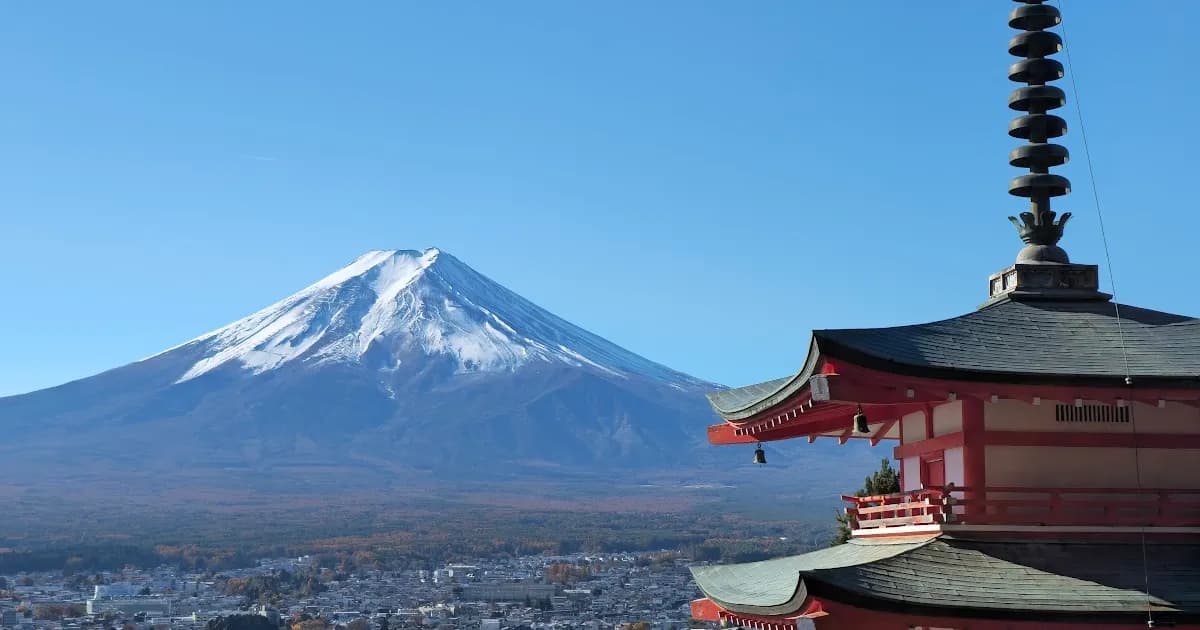
For japan travel brochures, most japan travel brochures are basically ads for specific hotels, tour operators, or JTB packages. They show you the Mount Fuji money shot but won't mention that seeing Fuji clearly only happens 80 days a year.
📍 Related: 5 Days in Tokyo? I Wasted Day 3 (Use This Instead)
Here's what traditional japan travel brochures don't tell you:
- The real cost of everything — They'll say "affordable" when a bowl of ramen is ¥1,200 ($8), which is cheap for Japan but expensive compared to, say, Vietnam
- When NOT to visit — Cherry blossom season looks magical in brochures, but you'll be fighting 5 million other tourists
- The tourist traps — That tea ceremony in Kyoto for ¥5,000? You can get the same experience for ¥1,500 if you know where to look
- How exhausting it actually is — Japan requires constant navigation, shoe removal, and decision-making. It's amazing but draining.
💡 Pro tip: Download the Hyperdia train route planner and Google Maps offline before you arrive. These two apps do more than any japan travel brochure ever will.
The Real Japan Trip Planning Framework
For japan travel brochures, forget the glossy japan travel brochures with their 14-day "Golden Route" nonsense.
💡 Related: I Wasted $280 on a JR Pass (Here's When It's Worth It)
Here's how to actually plan your trip.
Step 1: Pick Your Base Cities (Max 3)
Don't try to see all of Japan in two weeks. Pick 2-3 bases and do day trips from there.
| Base City | Best For | Day Trip Range | Daily Budget |
|---|---|---|---|
| Tokyo | First-timers, nightlife, weird stuff | Mt. Fuji, Nikko, Kamakura | ¥8,000-15,000 |
| Kyoto | Temples, traditional culture, day hikes | Nara, Osaka, Kobe | ¥7,000-12,000 |
| Osaka | Food, budget travel, local vibe | Kyoto, Nara, Himeji | ¥6,000-10,000 |
| Hakone | Onsen, nature, Mt. Fuji views | - | ¥12,000-20,000 |
Step 2: Calculate If You Need a Japan Rail Pass
This is where japan travel brochures straight-up lie. They always recommend the japan rail pass because they get a cut. But you might not need it.
JR Pass 7-day cost: ¥50,000 ($340)
Break-even point: Tokyo to Kyoto roundtrip (¥28,000) + one more long trip
| Route | Cost (One-Way) | Time | JR Pass Covered? |
|---|---|---|---|
| Tokyo → Kyoto | ¥14,000 | 2h 15m | ✓ Yes |
| Tokyo → Osaka | ¥14,500 | 2h 30m | ✓ Yes |
| Kyoto → Hiroshima | ¥11,500 | 1h 40m | ✓ Yes |
| Tokyo → Hakone | ¥4,500 | 1h 30m | Partial |
| Osaka → Nara | ¥680 | 45m | ✗ No (use local) |
My take: Get the JR Pass if you're doing Tokyo → Kyoto/Osaka → Hiroshima. Skip it if you're staying in one region. Every japan rail guide and japan travel brochure pushes it hard, but do the math yourself.
💡 Pro tip: The jr japan rail pass only works on JR lines. Tokyo's metro? Not covered. Kyoto buses? Nope. Budget an extra ¥500-800/day for local transport.
💡 Related: Tokyo on $50/Day? I Tracked Every Yen (Real Numbers)
Where to Stay: Honest Breakdown
For japan travel brochures, japan travel brochures love showing you $400/night ryokans with private onsen. Cool. Here's reality.
Budget Options (¥2,000-4,000/night)
📍 Related: Don't Buy a JR Pass Until You Read This (Might Waste $280)
Capsule Hotels ★★★★☆
Not as claustrophobic as you think. You get a pod, shared bath, usually a lounge with free coffee.
- Recommend: Nine Hours chain in Tokyo/Kyoto (¥3,500/night)
- WiFi: Excellent
- Vibe: Quiet, clean, you might actually like it
Hostels ★★★☆☆
Standard backpacker scene. Dorms ¥2,500-3,500, privates ¥6,000-8,000.
- Recommend: Book on Hostelworld, filter by "free breakfast" check rates
- WiFi: Hit or miss
- Vibe: Social if you want, anonymous if you don't
Mid-Range (¥8,000-15,000/night)
Business Hotels ★★★★☆
My go-to. Tiny rooms (10-12 sqm), but clean, central, and reliable.
- Recommend: Daiwa Roynet, Dormy Inn chains (¥10,000/night)
- Perks: Coin laundry, sometimes free onsen
- WiFi: Always solid
Budget Ryokans ★★★★★
Traditional inns, tatami mats, futon beds. Some include kaiseki dinner.
- Recommend: Book through Japanese Guest Houses
- Cost: ¥12,000-15,000/night with two meals
- WiFi: Usually okay, not laptop-work-level
Splurge (¥25,000+/night)
If you've got the budget, Hakone is where to blow it on a high-end ryokan with private onsen and mountain views. Those japan travel brochures with the outdoor baths overlooking Mt. Fuji? That's Hakone.
Top pick: Gora Kadan (¥40,000-60,000/night with meals, check rates)
For hakone japan onsen experiences without the insane price tag, consider staying at a business hotel and doing a day-use onsen for ¥2,000-3,000.
What to Actually Do (Beyond the Brochures)
For japan travel brochures, traditional japan travel brochures push the same tired route: Tokyo → Kyoto → maybe Osaka. Sure, those cities are great. But here's the nuanced take.
Tokyo: 3-4 Days Minimum
📍 Related: Don't Visit Tokyo's Onsen Until You Read This Guide
Don't waste time on: Shibuya Crossing photos (cool for 5 minutes), Robot Restaurant (tourist trap, ¥8,000 wasted)
Do this instead:
-
Tsukiji Outer Market (3-4 hours) — The tourist brochures say go to Toyosu. Wrong. Outer market is where locals still eat. Budget ¥2,000 for breakfast seafood tour.
-
Yanaka/Sendagi neighborhood (half day) — Old Tokyo that survived WWII. No english onsen japan crowds, just temples, cats, and ¥100 croquettes.
-
TeamLab Borderless (2-3 hours) — ¥3,800 entry. Digital art museum that actually lives up to the hype. Book tickets
-
Shimokitazawa (evening) — Vintage shops, tiny bars, young crowd. Every japan travel guide mentions Harajuku; this is better and less crowded.
💡 Pro tip: Get a Suica card (rechargeable train card) at any station. Load ¥5,000. You'll use it for trains, vending machines, and convenience stores. Makes life so much easier.
Kyoto: 2-3 Days
The problem with Kyoto: Every japan travel brochure makes it sound magical. It is — at 7am. By 10am, Fushimi Inari and Kinkaku-ji are overrun.
Survival strategy:
| Temple/Spot | Crowd Level | Best Time | Cost |
|---|---|---|---|
| Fushimi Inari | Insane | 6-7am or sunset | Free |
| Kinkaku-ji (Golden Pavilion) | Very High | Opening (8:30am) | ¥500 |
| Arashiyama Bamboo Grove | High | 7-8am | Free |
| Philosopher's Path | Medium | Anytime | Free |
| Nanzen-ji | Low | Afternoon | ¥600 |
Day trip to Nara (45 min by train, ¥680): See the deer park, Todai-ji temple, and bail back to Kyoto by 3pm. Those japan travel brochures with deer bowing for crackers? That's nara deer park in japan. It's real and it's awesome.
The deer at nara park japan aren't "tame" — they're semi-wild and will absolutely mug you for those ¥200 shika senbei (deer crackers). Don't carry food in open bags unless you want to be swarmed.
💡 Pro tip: Skip the overcrowded Arashiyama bamboo grove and walk 10 minutes to Okochi Sanso Villa garden. ¥1,000 entry, includes matcha tea, zero crowds.
Osaka: 1-2 Days
Osaka is the anti-Kyoto. Fewer temples, better food, cheaper everything.
Dotonbori is the neon canal area every japan travel brochure shows. Yes, it's touristy. Yes, you should still go for takoyaki and the vibe.
Eat here:
- Ichiran Ramen — Solo dining booths, customize your bowl (¥1,000)
- Kuromon Market — Street food paradise, budget ¥1,500-2,000
- Standing bars (tachinomi) — Sake and skewers for ¥2,000 total
Hakone: 1-2 Days (If You Want Onsen)
Hakone is your onsen japan headquarters. Hot spring town, Mt. Fuji views (weather permitting), traditional ryokans.
Hakone Loop route: Train → cable car → ropeway → pirate ship → bus back. Takes a full day. Covered partially by japan rail if you have the jr japan pass.
For japanese onsen experiences, try Tenzan Onsen (day-use ¥1,300) or Yunessun (onsen theme park, ¥2,900). Most japanese public baths require you to be naked — tattoos are still banned at many traditional spots.
💡 Pro tip: Mt. Fuji is visible from Hakone only about 30% of the time. Check the weather forecast. If it's cloudy, save Hakone for another trip.
Food: Real Costs, Real Spots
Japan travel brochures make food look expensive and formal. Reality: you can eat incredibly well for cheap if you know where to go.
Daily Food Budget Breakdown
| Meal Type | Budget Option | Cost | Mid-Range | Cost |
|---|---|---|---|---|
| Breakfast | Convenience store | ¥300-500 | Cafe/hotel | ¥800-1,200 |
| Lunch | Standing noodles, rice bowls | ¥500-800 | Casual restaurant | ¥1,000-1,500 |
| Dinner | Chain izakaya, conveyor sushi | ¥1,500-2,500 | Sit-down izakaya | ¥3,000-5,000 |
| Drinks/Snacks | Vending machines, konbini | ¥300-500 | Bars, cafes | ¥1,000-2,000 |
| Daily Total | ¥2,600-4,300 | ¥5,800-9,700 |
My daily average after three months: ¥3,800 (about $26)
Best Budget Eating Strategies
Convenience stores (konbini) are your friend. 7-Eleven, FamilyMart, Lawson — they all have fresh onigiri (¥120-150), sandwiches (¥250-350), and bento boxes (¥400-600). This isn't gas station food. It's legitimately good.
Chain restaurants don't suck. Yoshinoya (beef bowls), CoCo Curry, Ichiran — all solid and cheap.
💡 Related: Tokyo on $50/Day? I Tracked Every Yen (Real Numbers)
No shame in chains when you're trying to stick to a budget.
Standing bars and standing ramen shops save you 20-30% compared to sit-down spots. You eat faster, spend less, and it's a totally normal local thing.
Splurge-Worthy Meals
If you're going to blow your budget, do it on:
- Omakase sushi (chef's choice): ¥8,000-15,000 for the real deal
- Kaiseki dinner at your ryokan: Multi-course traditional meal, ¥10,000-20,000
- Kobe beef in Kobe: ¥6,000-12,000 for a proper course
Don't do it on: Random "Wagyu" steak in Tokyo's tourist areas. Overpriced and often not the premium cut.
Sample 7-Day Itinerary (The Anti-Brochure Version)
This is what I'd do if I came back tomorrow with one week and a ¥100,000 budget (about $680).
Day 1: Tokyo (Arrival)
- Arrive Narita/Haneda, get Suica card, train to hotel (¥1,500-3,000)
- Walk around your neighborhood, find a convenience store, adjust to jet lag
- Dinner: Standing ramen (¥1,000)
- Daily cost: ¥6,000 (including hostel)
Day 2: Tokyo (West Side)
- Breakfast: Konbini (¥400)
- Morning: Meiji Shrine → Harajuku → Shimokitazawa
- Lunch: Gyudon at Yoshinoya (¥600)
- Afternoon: Shibuya, teamLab or just wander
- Dinner: Izakaya in Shinjuku (¥2,500)
- Daily cost: ¥7,500
Day 3: Tokyo (East Side)
- Early breakfast at Tsukiji Outer Market (¥2,000)
- Walk Ginza → Imperial Palace East Garden (free)
- Afternoon: Akihabara or Ueno Park/Museums
- Dinner: Conveyor sushi (¥1,800)
- Daily cost: ¥7,800
Day 4: Day Trip to Kamakura or Nikko
- Train to Kamakura (¥1,000 round trip) or Nikko (¥5,000 round trip with jr travel pass)
- Kamakura: Great Buddha, temples, beach town vibe
- Pack lunch from convenience store (¥600)
- Back to Tokyo for dinner (¥2,000)
- Daily cost: ¥8,500
Day 5: Travel to Kyoto
- Morning: Shinkansen Tokyo → Kyoto (free with jr japan rail pass, or ¥14,000)
- Check into Kyoto hotel
- Afternoon: Explore Gion, walk along Kamo River
- Dinner: Nishiki Market food tour (¥2,000)
- Daily cost: ¥10,000 (or ¥24,000 without JR Pass)
Day 6: Kyoto + Nara
- Early morning: Fushimi Inari (6-7am, free)
- Mid-morning train to Nara (¥680)
- Feed deer at nara park japan, see Todai-ji (¥600)
- Lunch in Nara (¥1,000)
- Back to Kyoto by 3pm
- Evening: Philosopher's Path walk
- Dinner: Cheap ramen (¥900)
- Daily cost: ¥8,500
Day 7: Kyoto → Osaka → Tokyo
- Morning: Arashiyama bamboo grove (train ¥400, entrance free)
- Lunch: Street food in Arashiyama (¥1,200)
- Afternoon: Train to Osaka Dotonbori (¥680)
- Eat takoyaki, wander neon streets (¥1,500)
- Evening: Shinkansen back to Tokyo for flight (free with JR Pass)
- Daily cost: ¥9,000
Total 7-day cost: ¥57,300 ($390) + accommodation ¥21,000 ($143) + JR Pass ¥50,000 ($340) = ¥128,300 total ($870)
That's $124/day including the jr japan pass. Without the pass, it jumps to about $155/day. Still way cheaper than what most japan travel brochures suggest for a "budget" trip.
Digital Nomad Corner: Working From Japan
Most japan travel brochures don't cover this, but Japan is surprisingly decent for remote work if you're on a tourist visa (90 days).
Best Laptop-Friendly Spots
Tokyo:
- Streamer Coffee Company (Shibuya) — ¥500 coffee, fast WiFi, nobody cares if you camp
- Any Tully's Coffee — Chain, but reliable WiFi and outlets
- Coworking: WeWork day pass ¥3,000
Kyoto:
- Weekenders Coffee (Tominokoji) — Specialty coffee, chill vibe, good for 2-3 hours
- Starbucks on Sanjo — Touristy but WiFi works and you won't get kicked out
Osaka:
- Granknot Coffee — Multiple locations, nomad-friendly
💡 Pro tip: McDonald's and convenience store seating areas have free WiFi and nobody bothers you. It's not glamorous, but it works when you need to jump on a call.
SIM Card Setup
Get a data-only SIM at the airport for ¥3,000-5,000 (2-3 weeks, unlimited data). Forget the pocket WiFi rental; SIM is cheaper and less annoying.
Recommended: Mobal or IIJmio — both have tourist plans that actually work.
What to Skip (Honest Section)
Traditional japan travel brochures won't tell you what sucks. I will.
Skip these unless you have unlimited time/money:
- Robot Restaurant, Tokyo — ¥8,000 for a hour-long fever dream. Cool for some people, but it's basically Transformers on meth. Not my thing.
- Hakone if it's cloudy — The whole point is Mt. Fuji views. No view? Save it.
- Kyoto in cherry blossom season — I know the brochures make it look magical. It is, if you enjoy sardine-can crowds and can't get a hotel under ¥20,000/night.
- Theme parks (except TeamLab) — Tokyo Disney, Universal Osaka are fine, but they're the same experience you'd get at home, just in Japanese.
Packing: What You Actually Need
Japan travel brochures never cover this. Here's what actually matters.
Essential Gear
- Good walking shoes — You'll average 15,000-20,000 steps/day. Not kidding. (Amazon basics sneakers work fine)
- Small daypack — For temple visits, day trips. 20L max. (Recommendation)
- Power bank — Your phone will die. Bring 10,000mAh minimum. (Anker)
- Cash wallet — Japan is still surprisingly cash-heavy. Bring something organized.
What to Leave Home
- Bulky luggage — Hotel rooms are tiny. Travel light or suffer.
- Fancy clothes — Unless you're going to high-end kaiseki, casual is fine everywhere
- Guidebooks — This article + Google Maps + Hyperdia = you're set
Daily Budget Breakdown (All In)
Here's the real deal for different travel styles:
| Category | Budget | Mid-Range | Splurge |
|---|---|---|---|
| Accommodation | ¥3,000 | ¥10,000 | ¥30,000 |
| Food | ¥2,500 | ¥6,000 | ¥15,000 |
| Transport (local) | ¥500 | ¥800 | ¥2,000 |
| Activities | ¥500 | ¥2,000 | ¥5,000 |
| Misc/Shopping | ¥500 | ¥2,000 | ¥5,000 |
| TOTAL/day | ¥7,000 ($48) | ¥20,800 ($141) | ¥57,000 ($387) |
Add ¥7,000/day if you're buying a 7-day JR Pass (¥50,000 ÷ 7).
My Honest Take: Is Japan Worth It?
Japan travel brochures sell you a fantasy. The reality is better and worse.
Better: The food, the trains, the fact that you can walk around Tokyo at 2am feeling completely safe, the onsen culture, the weird-ass vending machines that sell hot soup.
Worse: The cost, the crowds (especially at UNESCO sites), the language barrier is real, the sheer mental exhaustion of navigating everything.
Worth it? Hell yes — but do it right. Spend 10+ days minimum. Pick your battles. Don't try to see everything. Get the jr pass if your math works out. Eat at convenience stores without shame. Wake up early to beat the crowds at temples.
And for the love of god, throw away those glossy japan travel brochures and just go.
FAQ
Q. Are japan travel brochures actually useful for planning a trip?
Not really. They're marketing materials designed to sell package tours, hotels, and experiences that pay for placement. You'll get generic routes, no real costs, and a sanitized version of Japan that doesn't match reality. Use blogs, Google Maps, Hyperdia, and current pricing from booking sites instead. Brochures look pretty but won't help you navigate Shinjuku Station at rush hour.
Q. Do I really need a JR Pass for my Japan trip?
Only if your routes add up. The jr japan rail pass costs ¥50,000 for 7 days. You need at least a Tokyo-Kyoto roundtrip (¥28,000) plus another long-distance trip to break even. If you're staying in one city or region, skip it — local transit passes are cheaper. Do the actual math based on your itinerary, don't just buy it because every japan travel brochure says to.
Q. Can I visit Nara's deer park as a day trip from Kyoto?
Absolutely. Nara is 45 minutes from Kyoto by train (¥680 each way on the Kintetsu line). You can see nara park japan, Todai-ji temple, and feed the deer in 3-4 hours. The deer at nara deer park in japan are semi-wild and will bow for crackers (¥200 for shika senbei). Go early to avoid school groups. It's one of the best day trips in Japan and way less crowded than Kyoto's main temples.
Q. What's the cheapest way to experience a Japanese onsen?
Skip the ¥40,000/night fancy ryokans. Instead, try public day-use onsen (¥500-1,500 entry) or stay at a budget business hotel with an onsen facility (like Dormy Inn chain). In Hakone, Tenzan Onsen is ¥1,300 for day use. Most japanese public baths require nudity and ban tattoos at traditional spots. For the full ryokan experience on a budget, book a mid-range place in hakone japan hot springs for around ¥12,000-15,000 with meals.
Q. How much cash should I bring to Japan?
Budget ¥10,000-15,000 ($70-100) per day in cash for someone on a mid-range budget. Many small restaurants, temples, and local shops still don't take cards. 7-Eleven ATMs work with foreign cards (check with your bank about fees). Split it between your wallet and hotel safe. Credit cards work at major hotels, chains, and department stores, but cash is king at local spots, vending machines, and any business run by someone over 50.