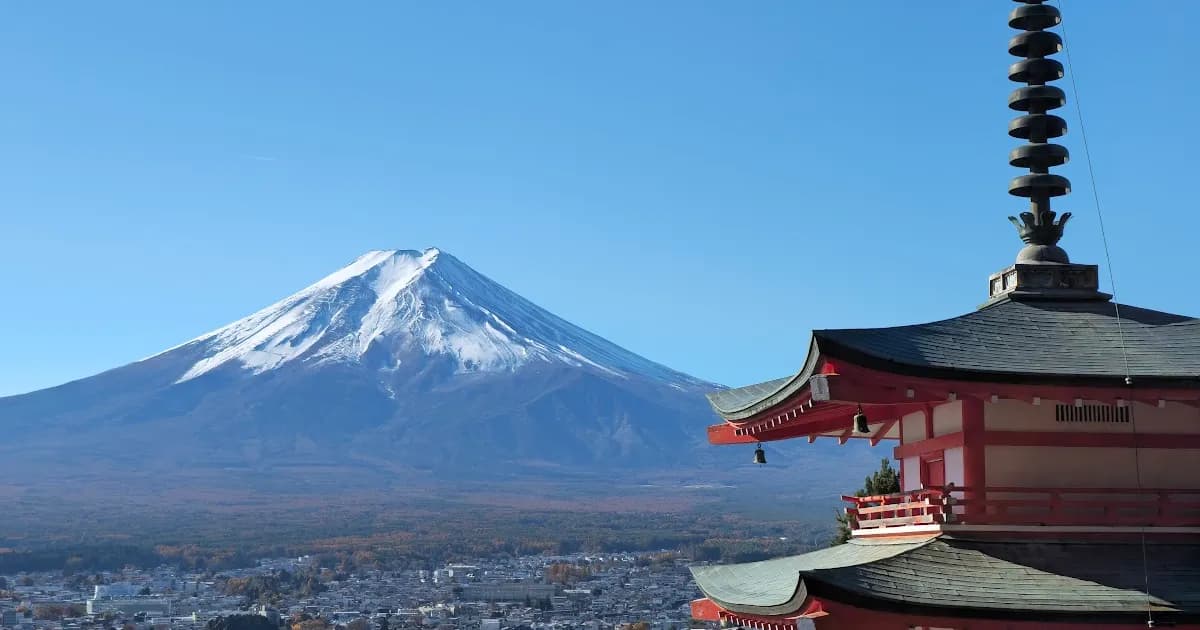
I Visited 47 Prefectures. Here Are Japan's 7 Best
After a decade living here and visiting all 47 prefectures, I'm telling you: Tokyo isn't even in my top 5 nice cities in Japan.
The nicest cities in Japan balance three things: cultural depth, walkability, and actual livability (not just tourist photo ops). Kyoto, Kanazawa, Takayama, Hiroshima, Fukuoka, Nagano, and Osaka make that cut. Budget $80-120/day for mid-range travel, $50-70 if you're strategic.
Here's what makes them worth your time, ranked by someone who's actually lived this.
| City | Best For | Daily Budget | Skip If... |
|---|---|---|---|
| Kyoto | Temples, traditional culture | $90-130 | You hate crowds (March-May, Oct-Nov) |
| Kanazawa | Art, gardens, seafood | $80-110 | You need nightlife |
| Takayama | Mountain towns, rural Japan | $70-100 | You're not into slow travel |
| Hiroshima | History, island-hopping | $75-105 | You can't handle heavy topics |
| Fukuoka | Food scene, beach access | $70-100 | You want "traditional" Japan |
| Nagano | Mountains, onsen, skiing | $85-120 | You're visiting June-August |
| Osaka | Street food, nightlife | $80-115 | You want peace and quiet |
Why These 7 Cities Actually Matter
For nice cities in japan, most "best cities in Japan" lists just rank by Instagram popularity. I'm ranking by what you'll remember five years later Nice cities in Japan share three traits: they're walkable (you're not stuck on trains 4 hours/day), they have distinct local food culture (not just Tokyo chains), and they exist outside tourism season (locals actually live there).
Tokyo and Sapporo didn't make this list. Tokyo's exhausting for first-timers—too big, too expensive, too impersonal. Sapporo's great if you're here for snow festivals, but it's functionally just a smaller, colder version of any mid-size Japanese city.
💡 Pro tip: Use the Japan Rail Pass if you're hitting 3+ of these cities. 7-day pass costs ¥50,000 ($340), which breaks even after one Tokyo-Kyoto-Hiroshima round trip. But if you're staying in one region, regional passes are cheaper.
Gear for This Trip
The only daypack you need. Lightweight, durable, fits everything.
Packing cubes that changed how I travel. Essential for multi-city trips.
Best noise cancelling earbuds for flights and loud restaurants.
Hard shell, spinner wheels, fits every overhead bin. No checked bags.
As an Amazon Associate I earn from qualifying purchases.
Kyoto: The Obvious Choice (But Timing Is Everything)
★★★★★ (4.5/5)
Yeah, yeah—everyone goes to Kyoto. But there's a reason it tops every nice cities in Japan list: 17 UNESCO sites, 2,000+ temples, and food culture that isn't trying to be trendy.
When to Go (And When to Avoid)
Go: January-February (cold but empty), June (rainy but half the tourists), late November (after the peak fall leaf season).
Avoid like the plague: Cherry blossom season (late March-early April) and peak fall colors (mid-October to early November). I've seen Fushimi Inari so packed you're literally shuffling in a conga line. Not worth it.
What Actually Makes It Special
The Philosopher's Path in winter. Kinkaku-ji (Golden Pavilion) at 9am opening before the tour buses. The side streets in Gion where you'll actually see geiko (Kyoto dialect for geisha) heading to appointments—not the tourists in rental kimonos clogging Hanamikoji.
Budget breakdown:
| Item | Cost (¥) | Cost ($) |
|---|---|---|
| Hostel (Len Kyoto Kawaramachi) | 3,500/night | $24 |
| Mid-range hotel (Mitsui Garden) | 12,000/night | $82 |
| Breakfast (konbini) | 400 | $3 |
| Lunch (udon shop) | 850 | $6 |
| Dinner (izakaya) | 2,500 | $17 |
| Bus day pass | 700 | $5 |
| Temple admission (3 sites) | 1,500 | $10 |
| Daily total (budget) | 9,450 | $65 |
| Daily total (mid-range) | 17,950 | $123 |
The bus system is perfect for tourists—¥700 all-day pass covers almost everything. Don't rent a bike unless you're staying in one neighborhood; Nice Cities In Japan's bigger than it looks 💡 Pro tip: Hit Nishiki Market before 10am. After that, it's shoulder-to-shoulder tourists buying $8 fruit skewers. Before, it's local restaurant owners shopping for dinner ingredients—completely different vibe.
Kanazawa: Kyoto Without the Tour Buses
★★★★★ (5/5)
If I had to show someone one nice city in Japan that encapsulates traditional culture without the Kyoto circus, it's Kanazawa. 2.5 hours from Tokyo on the Hokuriku Shinkansen, cheaper than Kyoto, and 70% fewer tourists.
Why Kanazawa Works
Kenrokuen Garden is legitimately one of Japan's top three gardens (yes, better than most of Kyoto's). The Higashi Chaya geisha district feels like Kyoto's Gion did 20 years ago—you can actually walk down the street.
The 21st Century Museum of Contemporary Art is free for the outdoor installations and ¥450 for the main exhibits. It's genuinely interesting, not just "Instagram modern art."
The Food Situation
Kanazawa sits on the Sea of Japan. The seafood is stupid good and half the price of Tokyo. Omicho Market has $15 kaisendon (seafood rice bowls) that would cost $35 in Tsukiji.
Try Forus Department Store's basement food floor for prepared foods—locals shop there, and the quality-to-price ratio beats any sit-down tourist restaurant.
| What to Eat | Where | Cost (¥) | Cost ($) |
|---|---|---|---|
| Kaisendon (seafood bowl) | Omicho Market stalls | 1,800 | $12 |
| Gold leaf ice cream | Hakuza Higashi Chaya | 1,000 | $7 |
| Nodoguro (blackthroat seaperch) | Izakaya Kappo Takama | 3,500 | $24 |
| Jibuni (duck stew) | Any Kaga-ryori spot | 1,200 | $8 |
The gold leaf thing (Kanazawa produces 99% of Japan's gold leaf) is touristy but actually cool. Gold leaf on ice cream, sake, coffee—it's edible and tasteless. Do it once, skip the gold leaf workshops.
💡 Pro tip: Stay in the Katamachi nightlife district, not near the station. It's where locals hang out, and you're a 15-minute walk from Kenrokuen. Hotels are ¥2,000-3,000 cheaper than station-side properties
Takayama: The Mountain Town Everyone Sleeps On
★★★★☆ (4/5)
Takayama is what people think Kyoto will be before they get there and realize it's a city of 1.5 million.
This is old merchant houses, sake breweries you can walk into, and morning markets where 80-year-old ladies sell pickled vegetables. Population: 88,000. You'll walk the entire historic district in 90 minutes.
Why Bother With a Small Town?
Because the Japanese Alps are right there. Takayama is your base for Kamikochi (alpine valley hiking), Shirakawa-go (UNESCO village with thatched-roof houses), and Hida beef that rivals Kobe at a third of the price.
The Takayama Festival (April 14-15 and October 9-10) is one of Japan's top three festivals—giant floats, night processions, zero tourists compared to Kyoto's events.
Practical Reality Check
It's remote. 4.5 hours from Tokyo (limited express train), 2.5 hours from Nagoya. If you're doing Tokyo-Kyoto-Osaka, Takayama requires a detour. Worth it if you have 10+ days in Japan and hate cities. Skip it if you're on a week-long rush tour Accommodation is ryokan-heavy (traditional inns). Budget ¥12,000-18,000/night with two meals included. That's actually cheaper than hotels + food separately.
| Activity | Cost (¥) | Cost ($) | Time Needed |
|---|---|---|---|
| Sanmachi old town walk | Free | Free | 2 hours |
| Sake brewery tour | 300 | $2 | 30 min |
| Hida Folk Village | 700 | $5 | 1.5 hours |
| Morning market shopping | 1,000-3,000 | $7-20 | 1 hour |
| Hida beef lunch | 2,500 | $17 | - |
| Shirakawa-go bus tour | 4,600 return | $31 | Full day |
💡 Pro tip: The morning markets (Jinya-mae and Miyagawa) start at 7am. Go at 7am. By 9am, it's tour groups and inflated prices. Early morning = locals buying breakfast.
Hiroshima: Not Just the A-Bomb
★★★★☆ (4.5/5)
People visit Hiroshima for the Peace Memorial and Museum (which you absolutely should see—it's devastating and important). But they skip the rest, and that's a mistake.
Beyond the Obvious
Miyajima Island is a 25-minute ferry from Hiroshima (covered by the JR Pass). The floating torii gate is under renovation until 2026, but the island's still worth a full day—hiking Mt. Misen, deer everywhere (they're aggressive, don't feed them), and Itsukushima Shrine at high tide is gorgeous.
Hiroshima's food scene: Okonomiyaki (savory pancake) here is different from Osaka's. Hiroshima-style layers noodles inside. Try Okonomi-mura, a building with 25 okonomiyaki stalls. It's touristy but legitimately good.
Oysters. Hiroshima produces 60% of Japan's oysters. Grilled, fried, raw—they're everywhere and cheap (¥200-400 for 3-4 oysters at market stalls).
The Cycling Thing
The Shimanami Kaido is a 70km cycling route connecting Hiroshima to Shikoku Island via six small islands. It's Japan's most famous cycling route. Rent a bike in Onomichi (1 hour from Hiroshima), ride the full route or just the first island or two.
Not a cyclist? The islands are still worth visiting by bus/ferry for the art museums and quiet coastal towns.
| Must-Do | Cost (¥) | Cost ($) | Time |
|---|---|---|---|
| Peace Memorial Museum | 200 | $1.50 | 2-3 hours |
| Miyajima ferry (round trip) | Free with JR Pass | - | Full day |
| Mt. Misen ropeway | 1,840 | $12 | 3 hours |
| Okonomiyaki dinner | 1,200 | $8 | - |
| Shimanami Kaido bike rental | 1,000-2,000 | $7-14 | Half/full day |
💡 Pro tip: The Peace Memorial Museum is free on August 6 (anniversary of the bombing). It's also packed. If you want space to process what you're seeing, visit literally any other day.
Fukuoka: Japan's Most Underrated Major City
★★★★☆ (4/5)
Fukuoka's my dark horse pick for nice cities in Japan. It's Kyushu's biggest city (1.6 million people) but feels 10x more livable than Tokyo or Osaka.
Why Fukuoka Wins
Yatai (street food stalls) line the rivers at night. Ramen at midnight for ¥800 ($5.50). It's the most casual, accessible food culture in Japan—you sit elbow-to-elbow with salarymen and students Hakata ramen was born here. Tonkotsu (pork bone broth) so rich it's almost grainy. Ichiran (the famous chain) started here, but locals go to Ippudo or tiny no-name shops in the Nakasu district.
Beach access: Itoshima Peninsula is 40 minutes by train—surf towns, beach cafes, sunset views. Tokyo doesn't have this.
Fukuoka as a Hub
It's 2.5 hours to Nagasaki (A-bomb history, Dutch trading port architecture), 1 hour to Beppu (onsen town with eight different "hells"—boiling hot springs too hot to bathe in), 3 hours to Kumamoto (giant castle, Mt. Aso volcano).
Use Fukuoka as your Kyushu base. Hotels are ¥6,000-9,000/night (budget to mid-range), half the cost of Tokyo equivalents.
| Experience | Cost (¥) | Cost ($) |
|---|---|---|
| Yatai ramen dinner | 800-1,200 | $5.50-8 |
| Ohori Park (free walking) | Free | Free |
| Fukuoka Tower | 800 | $5.50 |
| Day trip to Dazaifu Shrine | 810 (train + entry) | $5.50 |
| Canal City shopping/entertainment | Free | Free |
💡 Pro tip: Tenjin underground shopping mall connects to the subway. When it's raining (and Fukuoka gets a lot of rain), you can walk 1.5km entirely underground between shopping, food, and transit.
Nagano: Mountains, Monkeys, and Onsen
★★★★☆ (4/5)
Nagano hosted the 1998 Winter Olympics and somehow didn't turn into a tacky tourist trap. It's the gateway to the Japanese Alps and the best onsen (hot spring) towns.
Why Nagano Matters
Zenko-ji Temple is one of Japan's most important Buddhist sites—1,400 years old, houses the first Buddha statue brought to Japan. The morning prayer ceremony (5:30am in summer, 6am in winter) is free and genuinely moving if you can drag yourself out of bed.
Snow monkeys in hot springs (Jigokudani Monkey Park) are 45 minutes from Nagano. Yes, it's touristy. Yes, it's still worth it. Best visited in winter when the monkeys actually want to soak
The Onsen Situation
Bessho Onsen (30 minutes by train) is a locals' onsen town—no foreign tourists, ryokan from ¥8,000/night with meals. The public baths (¥300-500) are no-frills and perfect.
Nozawa Onsen is a ski town in winter, hiking base in summer. The village has 13 free public baths (you're supposed to donate ¥200, but it's honor system).
Compare this to Hakone (Tokyo's onsen day-trip spot)—overcrowded, overpriced, and full of people who've never been to an onsen before.
💡 Pro tip: Onsen etiquette for first-timers: Shower completely before entering the bath. Tattoos are often banned (cover small ones with bandages, or ask if private baths are available). Don't put your towel in the water. Don't swim or splash. Just sit and soak.
For more details on onsen culture, check out Japanese public baths customs.
| Activity | Cost (¥) | Cost ($) | Season |
|---|---|---|---|
| Zenko-ji Temple | 500 | $3.50 | Year-round |
| Snow Monkey Park | 800 | $5.50 | Year-round (best Dec-Mar) |
| Nozawa Onsen public bath | 200 donation | $1.50 | Year-round |
| Hakuba ski day pass | 5,900 | $40 | Dec-March |
| Kamikochi hiking (bus access) | 2,050 | $14 | April-November |
Osaka: Tokyo's Fun Younger Sibling
★★★☆☆ (3.5/5)
Osaka ranks lower because it's a city, not a cultural experience. But if you want nightlife, street food, and people who actually talk to strangers, it beats Tokyo by a mile.
What Osaka Does Better
Dotonbori is the neon-lit food street everyone photographs. It's touristy as hell, but the food is still good and cheap. Takoyaki (octopus balls) for ¥400, okonomiyaki for ¥900, kushikatsu (fried skewers) by the dozen.
Osakans are loud, direct, and funny. The entire city has a working-class comedy culture—manzai (stand-up duos) is huge here. If you speak Japanese, catch a show in Namba. If not, you'll still feel the energy difference from Tokyo's buttoned-up vibe.
Osaka Castle is a concrete reconstruction (bombed in WWII, rebuilt in 1931). It's pretty from outside, skippable inside unless you're really into dioramas.
Day Trips from Osaka
Nara is 45 minutes by train—1,000+ deer roaming free, Todai-ji Temple with a giant Buddha, way less crowded than Kyoto. Do it as a half-day trip.
Kobe is 30 minutes—worth it for the Kobe Beef experience if you budget ¥8,000-15,000 ($55-100) for a proper meal. The Harbor area is fine but skippable.
Himeji Castle (1 hour by train) is Japan's best original castle—white, massive, never bombed. If you only see one castle, make it this one.
| Osaka Essentials | Cost (¥) | Cost ($) |
|---|---|---|
| Hostel (J-Hoppers) | 2,800/night | $19 |
| Hotel (Mitsui Garden) | 9,000/night | $61 |
| Street food dinner (Dotonbori) | 1,500-2,500 | $10-17 |
| Osaka Amazing Pass (1 day) | 2,800 | $19 |
| Osaka Castle entry | 600 | $4 |
| Day trip to Nara (train + entry) | 1,470 | $10 |
💡 Pro tip: The Osaka Amazing Pass covers 40+ attractions and unlimited subway/bus for ¥2,800. Breaks even if you visit 3-4 sites. Worth it for a packed one-day blitz.
How to Actually Plan This (3-Day to 2-Week Itineraries)
If You Have 7 Days (First-Timer Route)
- Days 1-2: Tokyo (arrival, recover from jet lag, basics)
- Days 3-4: Kyoto (temples, food, culture overload)
- Day 5: Nara day trip from Kyoto
- Day 6: Osaka (food, nightlife)
- Day 7: Fly out from Osaka or return to Tokyo
Get the 7-day JR Pass (¥50,000/$340). You'll use it for Tokyo-Kyoto-Osaka round trip plus local JR lines.
If You Have 10-14 Days (Add These Nice Cities in Japan)
- Tokyo (2 days) → Takayama (2 days) → Kanazawa (2 days) → Kyoto (3 days) → Osaka (2 days) → Hiroshima (2 days) → fly out
Or swap Takayama/Kanazawa for Nagano + Fukuoka if you want mountains and southern Japan instead of central Alps.
Budget Considerations Across Cities
| City | Budget Daily | Mid-Range Daily | Splurge Daily |
|---|---|---|---|
| Kyoto | $65 | $120 | $200+ |
| Kanazawa | $60 | $100 | $160 |
| Takayama | $70 | $110 | $180 |
| Hiroshima | $55 | $95 | $150 |
| Fukuoka | $50 | $90 | $140 |
| Nagano | $65 | $110 | $190 |
| Osaka | $60 | $100 | $160 |
Budget: Hostels, konbini meals, free attractions, local trains.
Mid-range: Business hotels, one restaurant meal/day, paid attractions, occasional taxis.
Splurge: Ryokan with kaiseki meals, omakase sushi, private onsen, Shinkansen Green Cars.
The Stuff Nobody Tells You (Resident Insights)
SIM Cards vs Pocket WiFi
Get a SIM card at the airport (Narita/Haneda for Tokyo arrivals). ¥3,000-5,000 for 2 weeks of data. Pocket WiFi is ¥1,000/day—only worth it if you're traveling in a group sharing one device.
I use Sakura Mobile (data-only SIM, no voice, works great).
The Coin Locker Situation
Every train station has coin lockers (¥300-700/day depending on size). They fill up by noon on weekends. Use them to day-trip without dragging luggage.
Or ship your luggage ahead. Yamato Transport (Takkyubin) ships bags between hotels for ¥2,000-3,000/bag. Book through your hotel. You can day-trip freely without luggage.
Convenience Stores Are Actually Convenient
7-Eleven, Lawson, FamilyMart are everywhere. They're not sketchy corner stores—they're clean, safe, and sell:
- Drinkable coffee (¥100)
- Full meals (onigiri, bento boxes, pasta, sandwiches for ¥300-600)
- ATMs that accept foreign cards
- Concert tickets, bill payments, Amazon pickup
Konbini breakfast + lunch = ¥800/day. That's how locals save money.
Google Maps Works, But Download Offline Maps
Google Maps transit directions are 95% accurate in Japan. The offline maps feature is a lifesaver in rural areas or when your data is slow.
Learn Three Phrases (Seriously, Just Three)
- Sumimasen (excuse me / sorry / thanks)
- Arigato gozaimasu (thank you)
- Eigo ga dekimasu ka? (Do you speak English?)
You'll get by in Tokyo with zero Japanese. In smaller cities (Takayama, Kanazawa), English drops off hard. Pointing at menu pictures works. Most restaurants have plastic food displays outside—just take a photo and point.
Daily Budget Breakdown (Mid-Range Travel)
For nice cities in japan, here's what a realistic day costs in nice cities in Japan for mid-range travelers:
| Expense | Cost (¥) | Cost ($) | Notes |
|---|---|---|---|
| Accommodation | 8,000-12,000 | $55-82 | Business hotel or budget ryokan |
| Breakfast | 500 | $3.50 | Konbini or hotel breakfast |
| Lunch | 1,000 | $7 | Ramen, udon, curry |
| Dinner | 2,500 | $17 | Izakaya or casual restaurant |
| Snacks/drinks | 600 | $4 | Vending machines, coffee |
| Local transport | 800 | $5.50 | Bus/subway day pass |
| Attractions | 1,500 | $10 | 2-3 temples/museums |
| Shopping/misc | 2,000 | $14 | Souvenirs, random purchases |
| Total | 16,900 | $116 | Without JR Pass travel days |
Add JR Pass travel: If you're using your pass to move between cities, that day's "transport" cost is $0 (you already paid upfront). On travel days, you save ¥10,000-20,000 depending on the route.
Is Japan Actually Affordable?
For nice cities in japan, compared to 2015? No—the yen has strengthened, and tourist prices have gone up. But compared to Paris, London, or New York? Japan is still cheaper for food and transport, more expensive for accommodation.
A great meal in Japan: $8-15. Same quality in NYC: $25-35.
A hotel room in central Kyoto: $80-120. Equivalent location in Paris: $150-200.
It's not a budget destination, but it's doable at $80-120/day if you mix cheap meals with occasional splurges.
Planning More Travel?
For nice cities in japan, if you're exploring Asia beyond Japan:
- TravelPlanKorea.com — Korea is 2 hours away by plane, and Seoul/Busan pair great with a Japan trip.
- TravelPlanUS.com — Compare how US city costs stack up against Japanese cities.
- TravelPlanEU.com — Heading to Europe next? We've got France, Spain, and UK guides.
FAQ
Q. Which city in Japan is the nicest for first-time visitors?
Kyoto if you want culture and temples, Fukuoka if you want food and a chill vibe. Kyoto is the obvious answer but gets insanely crowded during cherry blossom season—if you're visiting April or October, I'd actually pick Kanazawa instead. It has 70% of Kyoto's charm with 30% of the crowds.
Q. How many cities should I visit in Japan in 10 days?
4-5 cities max. I see too many people trying to cram Tokyo, Kyoto, Osaka, Hiroshima, Hakone, Nara, and Takayama into one week. You'll spend half your time on trains and checking in/out of hotels.
A sane 10-day trip: Tokyo (2 days) → Takayama (2 days) → Kanazawa (2 days) → Kyoto (2 days) → Osaka (2 days). That's one new city every 2 days, with actual time to explore instead of just transit.
Q. Is the Japan Rail Pass worth it for visiting multiple cities?
Yes, if you're traveling more than 500km total. A Tokyo-Kyoto round trip alone costs ¥27,000 ($185). The 7-day JR Pass is ¥50,000 ($340), so if you add one more long-distance trip (Kyoto-Hiroshima, Tokyo-Kanazawa, etc.), you break even.
Not worth it if you're staying in one region (just Kansai, or just Tokyo + day trips). Buy individual tickets or regional passes like the JR West Kansai Pass instead. More info at JR Pass official site.
Q. Which Japanese city has the best food scene?
Fukuoka for variety and value, Osaka for street food, Kanazawa for seafood, Kyoto for traditional kaiseki. If I had to pick one, Fukuoka wins—best ramen, cheapest sushi, best yakitori, and a 24/7 yatai street food scene. Osaka's fun but touristy. Kyoto's food is incredible but expensive.
Q. Are smaller cities in Japan English-friendly?
Not really. Tokyo, Kyoto, and Osaka have English signs and menus at major tourist spots. Takayama, Kanazawa, and Nagano? Almost zero English once you leave the main tourist office area.
But it's fine. Google Translate's camera function works on menus. Most restaurants have picture menus or plastic food displays outside. Just smile, point, and say "kore onegaishimasu" (this, please). I' For i visited 47 prefectures. here are japan's 7 best, this is worth knowing.ve never had an issue, and I've been to towns where I was the only foreigner.
Final take: The nice cities in Japan aren't the ones with the most Instagram tags. They're the ones where you slow down, eat something you can't get anywhere else, and actually talk to someone who lives there. Pick 3-4 from this list, skip Tokyo's chaos, and you'll have a way better trip than the Shibuya-Harajuku-Senso-ji speedrun everyone else is doing.