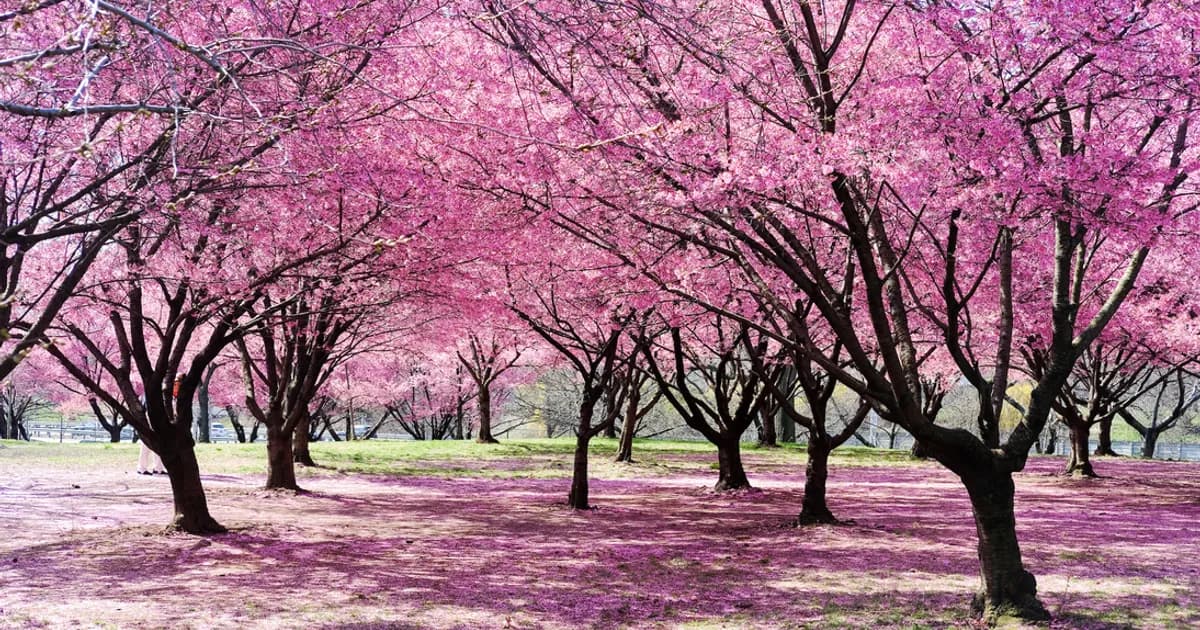
I Planned 8 Hanami Trips—Here's What Actually Works
Cherry blossom season in Japan is beautiful but stressful if you don't know what you're doing. I've planned eight hanami (花見, flower viewing) trips since moving here in 2015, and I've learned the hard way that timing is everything, popular spots are a nightmare, and your Instagram feed lied to you about how empty those parks are.
Here's the truth: flower viewing in Japan is worth it, but only if you know when to go, where the locals actually hang out, and how to avoid the worst tourist traps.
| Quick Hanami Reality Check | |
|---|---|
| Best Time | Late March to early May (varies by region) |
| Daily Budget | ¥8,000-¥15,000 ($60-$110) |
| Biggest Mistake | Booking Tokyo for April 10 without checking bloom forecasts |
| Crowds | 8/10 at famous spots, 3/10 at local parks |
| Worth It? | YES — but go north or south to escape Tokyo/Kyoto chaos |
| Skip If | You hate crowds or need guaranteed dates |
The Hanami Timing Problem Nobody Warns You About
You cannot plan flower viewing in Japan like a normal trip. Cherry blossoms bloom for about one week, and that week changes by 10-14 days year to year.
I watched a couple book flights for "peak sakura season" in Tokyo on April 15 last year. The blossoms peaked on April 2. They saw bare trees.
The Japan Meteorological Corporation releases bloom forecasts (桜開花予想, sakura kaika yosou) starting in January. These get more accurate as you get closer, but even one week out, they can be off by 3-4 days.
How I Actually Plan Flower Viewing Trips Now
Book flexible dates or accept you might miss the peak. Here's what I do:
- Check forecasts from three sources: Weathernews, Japan Meteorological Corporation, and Qnew
- Target mankai (満開, full bloom) dates, not kaika (開花, first blooms)
- Build in 3-4 buffer days — go to early-blooming Kyushu first, then move north
- Have backup plans that don't require blossoms (temples, museums, onsen)
💡 Pro tip: Southern Japan (Fukuoka, Kagoshima) blooms 2-3 weeks before Tokyo. Northern Japan (Sendai, Hirosaki) blooms 2-3 weeks after. String them together with a Japan Rail Pass and you can follow the bloom wave for a month.
Typical bloom progression:
- Late March: Kyushu, southern Honshu
- Early April: Tokyo, Osaka, Kyoto
- Mid-April: Nagano, Kanazawa, northern Honshu
- Late April-early May: Hokkaido (Sapporo, Hakodate)
Gear for This Trip
The only daypack you need. Lightweight, durable, fits everything.
Packing cubes that changed how I travel. Essential for multi-city trips.
Best noise cancelling earbuds for flights and loud restaurants.
Hard shell, spinner wheels, fits every overhead bin. No checked bags.
As an Amazon Associate I earn from qualifying purchases.
Where Locals Actually Do Hanami (Not Ueno Park)
Ueno Park in Tokyo is hell during flower viewing season. 10 million people visit during the two-week window. You're shoulder-to-shoulder, you can't get a good photo, and it smells like portable toilets by day three.
Here's where I actually take friends for flower viewing in Japan:
Tokyo: Skip the Famous Spots
Inokashira Park (井の頭公園) in Kichijoji — 30 minutes west of Shinjuku on the Chuo Line. Swan boat rentals under the cherry trees (¥700 for 30 minutes), way fewer tourists, and the neighborhood is full of good cafes.
- Cost: Free entry, ¥700 boats
- Crowds: 5/10
- How to get there: Kichijoji Station (JR Chuo, Keio Inokashira lines)
Meguro River (目黒川) — 4km of cherry trees along a canal. Go at night when they light them up. It's packed, but you're walking, not sitting in a mob.
- Cost: Free
- Best time: After 6pm for illumination
- Nearest station: Naka-Meguro (Hibiya Line)
Shinjuku Gyoen (新宿御苑) — Yes, it's famous, but it bans alcohol. That filters out 60% of the rowdy crowd. ¥500 entry, multiple sakura varieties that bloom at different times, actual space to sit.
- Cost: ¥500 entry
- Crowds: 6/10 (manageable early morning)
- Note: No booze allowed (this is a feature, not a bug)
Kyoto: The Tourist Nightmare
Kyoto during flower viewing season is the worst travel decision you can make unless you love spending 30 minutes in line to enter a temple.
If you must go to Kyoto, here's what locals do:
Philosopher's Path (哲学の道) — Early morning only (before 8am). By 10am it's a tourist conveyor belt.
Kamogawa River banks — Free, no entry gates, locals picnic here instead of famous temples.
Arashiyama Bamboo Grove — Wrong. Don't do this for flower viewing. There are barely any cherry trees and it's mobbed For flower viewing in japan, this is worth knowing.
The Places I Actually Recommend
Hirosaki Castle Park (弘前公園), Aomori Prefecture — Best castle hanami in Japan. 2,600 cherry trees, moat reflections, late-April bloom means fewer crowds. This is the spot photographers come for.
- Cost: Free (¥320 for castle interior)
- When: Late April (April 23-30 usually)
- How: 3.5 hours from Tokyo on Tohoku Shinkansen + local train
Yoshino Mountain (吉野山), Nara — 30,000 cherry trees on a mountainside. Take the ropeway up, walk down through the blooms. It's touristy, but the scale makes it work.
- Cost: ¥450 ropeway, temple entries ¥400-¥600
- Crowds: 8/10 but spread across a mountain
- How: 2 hours from Osaka/Kyoto via Kintetsu Line
Takada Park (高田公園), Niigata — 4,000 cherry trees, illuminated at night, absolutely unknown to foreign tourists. This is where Japanese people from Tokyo escape to.
- Cost: Free
- Crowds: 4/10 for foreigners, 7/10 for domestic tourists
- How: 2 hours from Tokyo on Joetsu Shinkansen
💡 Pro tip: The further from Tokyo/Kyoto you go, the better your flower viewing experience in Japan becomes. Hokkaido's hanami season in late April/early May is half as crowded and just as beautiful.
What Hanami Actually Costs (Real Numbers)
For flower viewing in japan, i tracked expenses for three different hanami trips. Here's what it actually costs:
| Expense | Budget | Mid-Range | Splurge |
|---|---|---|---|
| Accommodation (per night) | ¥3,500 (hostel) | ¥8,500 (business hotel) | ¥25,000 (ryokan) |
| Food (per day) | ¥2,000 (konbini + cheap ramen) | ¥4,500 (mix of casual/nice meals) | ¥12,000 (kaiseki dinner) |
| Transport (local, per day) | ¥800 (walking + minimal trains) | ¥1,500 (normal train usage) | ¥2,000 (taxis) |
| JR Pass (7 days) | — | ¥29,650 (ordinary) | ¥39,600 (Green Car) |
| Activities/Entry Fees | ¥500 (parks mostly free) | ¥1,500 (some temples/castles) | ¥4,000 (special experiences) |
| Hanami Supplies | ¥800 (konbini bentos + drinks) | ¥2,500 (restaurant takeout + sake) | ¥6,000 (catered hanami boxes) |
| TOTAL PER DAY | ¥7,600 ($57) | ¥13,500 ($100) | ¥49,000 ($365) |
The JR Japan Rail Pass math: If you're doing Tokyo → Kyoto → Hiroshima → back to Tokyo, or following the bloom wave north/south, the 7-day pass (¥29,650) pays for itself in two long-distance shinkansen trips. Tokyo to Kyoto is ¥13,320 one-way. Calculate your routes here.
What I Actually Spend on a Typical Hanami Trip
5-day Tokyo/Kanazawa trip, mid-range:
- Flights: ¥65,000 (booked 2 months out)
- JR Pass: ¥29,650 (7-day)
- Hotels: ¥42,500 (¥8,500/night × 5 nights)
- Food: ¥22,500 (¥4,500/day)
- Activities: ¥7,500 (Kenrokuen Garden, Kanazawa Castle, etc.)
- Hanami supplies: ¥6,000 (two nice picnics with sake)
- Total: ¥173,150 (~$1,290 USD)
The Hanami Picnic: How It Actually Works
Hanami is not just looking at flowers. It's a social event where Japanese people sit under cherry trees, drink heavily, and sometimes completely ignore the blossoms. If you're just walking around taking photos, you're missing the point.
How to Do a Proper Hanami Picnic
1. Get there early for good spots — Popular parks fill up by 10am on weekends. Locals send one person at 7am to lay down a blue tarp (ブルーシート, buru shito) and claim space. This is normal. Don't move someone's tarp.
2. Buy supplies at a konbini — Every 7-Eleven and Lawson has hanami-specific items during the season:
- Bento boxes: ¥400-¥800
- Onigiri: ¥120-¥150 each
- Beer/sake: ¥200-¥600
- Disposable cups, plates, trash bags
3. Or buy proper hanami food — Department store basements (デパ地下, depachika) sell beautiful hanami bento boxes for ¥1,500-¥4,000. These are legitimate and worth it if you're doing hanami right 4. Bring a tarp — You can't just sit on grass. Buy a cheap blue tarp at Daiso (¥100 shop) or a nicer picnic blanket.
5. Stay as long as you want — Hanami picnics go for hours. People show up at noon and stay until sunset. Night hanami (夜桜, yozakura) with illuminated trees is a whole separate thing.
Hanami Etiquette (Don't Be That Tourist)
- Don't shake the trees for photos. I've seen tourists do this. It's incredibly rude
- Take your trash — Every trash bag. Leave no trace. There are usually overflowing bins, but take yours home if needed.
- Keep noise reasonable — It's a party, but don't blast speakers
- Don't pick flowers — Obvious, but I've seen it happen
- Respect tarp boundaries — If someone's tarp is there, that space is taken even if they're not sitting there
💡 Pro tip: Go to a supermarket (Seiyu, Ito-Yokado) instead of konbini. Same bentos, 30% cheaper. Then upgrade your sake budget.
The "Alternative Blossoms" Strategy
If you can't hit cherry blossom timing, Japan has other flower viewing sea For flower viewing in japan, this is worth knowing.sons that are less crowded and just as beautiful.
Plum Blossoms (梅, Ume) — February to March
Bloom 3-4 weeks before cherry blossoms. Pink and white, similar vibe, way fewer tourists.
- Best spot: Kairakuen Garden (偕楽園) in Mito, Ibaraki — one of the Three Great Gardens of Japan
- When: Mid-February to mid-March
- Cost: Free entry (¥300 for special areas)
Wisteria (藤, Fuji) — Late April to May
If you miss sakura, catch wisteria instead. Purple hanging flowers, incredibly photogenic.
- Best spot: Ashikaga Flower Park (あしかがフラワーパーク), Tochigi — the wisteria tunnels here are unreal
- When: Late April to early May
- Cost: ¥900-¥1,800 depending on bloom status
Autumn Leaves (紅葉, Koyo) — November
My personal favorite. Fall foliage viewing is peak-season flower viewing in Japan without the stress. Leaves change gradually over 3-4 weeks, so timing is flexible.
- Best spot: Kyoto is actually good in autumn (crowds are 60% of spring levels)
- When: Mid-November usually
- Cost: Temple fees ¥500-¥600
Where to Stay During Flower Viewing Season
Book 3-4 months ahead m For i planned 8 hanami trips—here's what actually works, this is worth knowing.inimum. Hotels near popular hanami spots get booked solid, and prices double.
Budget: Hostels & Capsule Hotels
Nui Hostel & Bar Lounge in Tokyo (Kuramae) — ¥3,500/night dorm, ¥8,000 private. Hip neighborhood, 20 minutes to Ueno Park. Check rates
First Cabin (capsule chain) — ¥4,500-¥6,000/night, locations across Japan, actually comfortable
Mid-Range: Business Hotels
Dormy Inn chain — ¥8,000-¥12,000/night, includes onsen baths and free ramen at night (yes, really). Locations everywhere.
APA Hotels — ¥6,500-¥9,000/night, ubiquitous, small rooms but functional. Check their app for discount codes.
Splurge: Ryokan with Hanami Views
Gora Kadan near Hakone — ¥60,000+/night for two, kaiseki meals, private onsen, cherry trees on property. Book here
Luxury is optional — Most hanami happens in public parks. Your hotel is just a place to crash.
💡 Pro tip: Stay outside the tourist zones and commute in. A hotel in Saitama is ¥5,000/night cheaper than Shinjuku and the train is 30 minutes.
The One-Week Flower Viewing Itinerary That Actually Works
This assumes flexible dates and follows the bloom wave northward from late March through mid-April.
| Day | Location | What to Do | Overnight |
|---|---|---|---|
| 1-2 | Kyoto | Kamogawa River, Philosopher's Path (early AM), Maruyama Park | Kyoto (¥8,500/night) |
| 3 | Osaka | Osaka Castle Park, Kema Sakuranomiya Park | Osaka (¥7,500/night) |
| 4-5 | Tokyo | Meguro River, Shinjuku Gyoen, Inokashira Park | Tokyo (¥9,000/night) |
| 6 | Kanazawa | Kenrokuen Garden (one of the Three Great Gardens), Kanazawa Castle | Kanazawa (¥8,000/night) |
| 7 | Takayama | Old town + Mt. Fuji views if clear, slower pace | Takayama (¥10,000/night) |
Total accommodation: ¥51,500 JR Pass (7-day): ¥29,650 Food (¥4,500/day): ¥31,500 Activities: ¥8,000 Hanami supplies: ¥5,000
TOTAL WEEK: ¥125,650 (~$940 USD) excluding flights.
This itinerary uses the JR Japan Pass heavily. Tokyo to Kyoto alone is ¥13,320, so the pass saves you ¥10,000+ easily.
What to Pack for Hanami Season
March-April weather in Japan is unpredictable. I've done hanami in 25°C sunshine and 8°C rain in the same week
The Essentials
- Layers — Mornings are cold (10°C), afternoons warm up (18-22°C)
- Light rain jacket — It will rain at least once
- Comfortable shoes — You'll walk 15,000+ steps per day
- Portable battery pack — Your phone dies taking 500 blossom photos
- Tarp or picnic blanket — If you're doing hanami properly
- Ziplock bags — For trash (there are never enough bins)
Nice to Have
- Insulated bottle — Konbini coffee stays hot for your early-morning flower viewing sessions
- Small backpack — For hauling hanami supplies
- Sunscreen — The sun is stronger than you think in April
- Allergy meds — If you have pollen allergies, Japan's sugi (cedar) pollen season overlaps with early sakura. It's brutal.
I keep a hanami kit in my closet that lives there year-round: blue tarp, disposable cups, trash bags, emergency sake.
The Mount Fuji + Sakura Photo (And Why It's Nearly Impossible)
Everyone wants the photo of cherry blossoms with Mount Fuji in the background. Here's the truth: Fuji is visible about 80 days per year. During sakura season, that drops to maybe 30-40% of days because of spring haze and clouds.
Where to Try
Lake Kawaguchiko (河口湖) — Northern shore has the classic view. Peak bloom here is early-to-mid April, about one week after Tokyo.
- How: 2 hours from Shinjuku on highway bus (¥2,000 one-way)
- Success rate: 30-40%
- Backup plan: The lake and town are nice even without Fuji
Chureito Pagoda (忠霊塔), Fujiyoshida — The Instagram shot everyone posts. Five-story pagoda with Fuji in the background. 400 steps up, and it's absolutely packed during sakura.
- How: Train to Shimoyoshida Station, 20-minute walk
- When: Early morning (before 7am) or accept the crowds
- Reality check: You'll wait in line to take your photo from the one good spot
Hakone area — Onsen town with occasional Fuji views. Better for relaxing than photography, but the combo of onsen + sakura + maybe-Fuji is solid.
💡 Pro tip: Check the Fuji visibility forecast before you go. Don't make a special trip unless visibility is over 70%.
If you're serious about Mount Fuji, consider mount fuji trekking season (July-September) instead — visibility is much better, though no cherry blossoms.
Transportation During Flower Viewing Season
Trains are more crowded, but Japan's system still works flawlessly. Here's what changes:
IC Cards vs JR Pass
For Tokyo-only trips: Get a Suica or Pasmo IC card (¥2,000 — includes ¥1,500 usable credit, ¥500 deposit). Tap in, tap out, done. How to buy at the airport.
For multi-city trips: The JR Japan Pass makes sense if you're doing:
- Tokyo → Kyoto → Tokyo (¥27,000+ in tickets, pass is ¥29,650)
- Any route involving 3+ cities
- Following the sakura bloom wave north or south
The jr japan rail pass must be purchased before you arrive — you can't buy it in Japan (technically you can, but it's more expensive).
Navigating Trains During Hanami
Download Google Maps and Hyperdia (train route app). Both work perfectly in English.
Reserved seats on shinkansen are smart during hanami season. The JR Pass includes reserved seats at no extra charge — just go to the ticket office (みどりの窓口, midori no madoguchi) and reserve.
Avoid rush hour (7-9am, 5-7pm) if possible. A packed Tokyo train is a special kind of hell.
Eating Your Way Through Hanami Season
Sakura-flavored everything appears in March-April. It's mostly marketing, but some are worth trying.
Sakura Seasonal Foods
- Sakura mochi (桜餅) — Pink rice cake wrapped in a pickled cherry blossom leaf. ¥150-¥250 each at wagashi shops. Eat the leaf or don't (locals are split).
- Sakura latte — Every coffee chain does this. Starbucks, Tully's, Doutor. It's fine. Tastes vaguely floral.
- Hanami bento — Department store basements make special picnic boxes during the season. ¥1,500-¥4,000, beautifully arranged, actually good.
Where to Eat Near Popular Hanami Spots
Tokyo (Meguro River area):
- Tonki (とんき) — Tonkatsu near Meguro Station, ¥1,500, worth the line
- Onibus Coffee — Naka-Meguro, specialty coffee, laptop-friendly
Kyoto (Philosopher's Path area):
- Omen (おめん) — Udon near Ginkakuji Temple, ¥1,100-¥1,600
- Avoid the tourist traps on the main path — They're all overpriced and mediocre
Kanazawa (Kenrokuen area):
- Forus Building — Department store with food court and depachika, near Kanazawa Station
- Omicho Market (近江町市場) — Seafood bowls ¥1,800-¥2,500, insanely fresh
💡 Pro tip: Izakayas are cheaper than sit-down restaurants and more fun for groups. Look for places with red lanterns (赤提灯, aka-chochin) outside.
Digital Nomad Angle: Working During Hanami Season
If you're trying to work remotely during flower viewing in Japan, here's what you need to know:
Laptop-Friendly Cafes
Tokyo:
- The Deck Coffee & Pie in Shinjuku — Power outlets, strong WiFi, ¥500 coffee gets you 2-3 hours
- Blue Bottle Coffee — Multiple locations, always outlets, usually busy but turnover is fast
Kyoto:
- Wife & Husband near Demachi-Yanagi — Quiet, good coffee, outlets at most seats
- Weekenders Coffee in Kuramaguchi — Roomy, reliable WiFi
Osaka:
- Common Cafe near Namba — ¥300/hour coworking space + coffee
- LiLo Coffee Roasters in Nishi-Shinsaibashi — Spacious, work-friendly
Coworking Spaces
WeWork has locations in Tokyo, Osaka, Fukuoka — ¥3,200/day drop-in passes.
The Terminal Kyoto — ¥500/hour, ¥1,500/day, near Kyoto Station.
Reality check: Most cafes tolerate laptop users for 1-2 hours. After that, buy another drink or move on. Japan doesn't have the same "camp all day" cafe culture as the US or Europe.
Flower Viewing Alternatives: Beyond Sakura
Japan's flower culture doesn't stop with cherry blossoms. If you want a similar experience with fewer tourists, consider these:
Moss Phlox (芝桜, Shibazakura) — April to May
Pink ground cover that looks like a carpet. The most famous spot is Fuji Shibazakura Festival near Mt. Fuji.
- When: Late April to late May
- Where: Yamanashi Prefecture, near Lake Motosuko
- Cost: ¥800 entry
Nemophila (ネモフィラ) — April to May
Blue flowers, very Instagram-friendly. Hitachi Seaside Park in Ibaraki has 4.5 million nemophila plants.
- When: Late April to mid-May
- Where: Hitachinaka, Ibaraki (2 hours from Tokyo)
- Cost: ¥450 entry
Hydrangea (紫陽梅, Ajisai) — June
Rainy season flowers. Kamakura (near Tokyo) is famous for hydrangea temples.
- When: June (rainy season)
- Where: Meigetsu-in and Hase-dera temples in Kamakura
- Cost: ¥500 entry per temple
Sunflowers (向日葵, Himawari) — July to August
Summer alternative. Hokkaido has massive sunflower fields in late July.
- Where: Hokkaido (Furano, Biei)
- When: Late July to early August
- Bonus: Cooler weather than mainland Japan
Honest Take: Is Flower Viewing in Japan Worth the Hype?
Yes, but only if you accept the chaos or go off the beaten path.
Worth it if:
- You plan around bloom forecasts and accept some uncertainty
- You're willing to wake up early or travel outside Tokyo/Kyoto
- You enjoy the social/cultural aspect (hanami picnics, not just photos)
- You've always wanted to see it and can handle crowds
Skip it if:
- You need guaranteed dates (business trip, tight schedule)
- You hate crowds and won't go to secondary locations
- You're expecting serene, empty parks like in the photos
- You're not interested in Japanese culture beyond sightseeing
My ranking of flower viewing destinations:
- ★★★★★ Hirosaki Castle — Best overall experience
- ★★★★★ Hokkaido late-season — Fewer crowds, beautiful
- ★★★★☆ Yoshino Mountain — gorgeous but touristy
- ★★★★☆ Meguro River at night — Crowds, but manageable and atmospheric
- ★★★☆☆ Kyoto (any spot) — Beautiful but stressful
- ★★☆☆☆ Ueno Park — Only if you have no other option
Daily Budget Breakdown for Flower Viewing Season
| Category | Budget | Mid-Range | Splurge |
|---|---|---|---|
| Accommodation | ¥3,500 | ¥8,500 | ¥25,000 |
| Breakfast | ¥300 (konbini) | ¥800 (cafe) | ¥2,500 (hotel buffet) |
| Lunch | ¥600 (konbini) | ¥1,200 (casual restaurant) | ¥3,500 (nice restaurant) |
| Dinner | ¥1,000 (cheap ramen) | ¥2,500 (izakaya) | ¥8,000 (kaiseki) |
| Snacks/Coffee | ¥200 | ¥500 | ¥1,000 |
| Local Transport | ¥800 | ¥1,500 | ¥2,000 |
| Hanami Supplies | ¥800 | ¥2,000 | ¥5,000 |
| Activities/Entries | ¥500 | ¥1,500 | ¥4,000 |
| TOTAL | ¥7,700 ($58) | ¥18,500 ($138) | ¥51,000 ($380) |
Add for multi-city trips: JR Pass ¥29,650 for 7 days (¥4,235/day), which replaces "Local Transport" line above.
Real-world example: My last 6-day hanami trip cost ¥142,000 ($1,060) total — that's ¥23,600/day ($176), which lands solidly in the mid-range budget with one splurge ryokan night.
Planning More Travel?
Done with Japan? Here are the other Travelplan sites:
- Korea is 2 hours away — Spring in Seoul has cherry blossoms too, with 60% fewer tourists
- More Asia and US travel tips — If you're planning a bigger trip
- Heading to Europe next? — Check out the Edinburgh Fringe in August or wander through Spain's Gothic Quarter
If you're doing more Japan after hanami season, consider the aurora village in Yellowknife for winter (not Japan, but incredible) or book teamlab borderless mori building digital art museum in Tokyo — it's open year-round and one of the coolest things in Flower Viewing In Japan.
For a different kind of nature experience, try sulfur mountain banff or lake minnewanka banff in Canada, or explore craigdarroch castle in victoria bc on the same trip.
And if you need a break from cities, japanese public baths (onsen and sento) are open all year and are infinitely relaxing after days of walking.
FAQ
Q. What is the best time for flower viewing in Japan?
Late March to early May, depending on the region. Tokyo and Kyoto usually peak in early April (April 1-10), but this changes year to year. Southern Japan (Fukuoka, Kagoshima) blooms in late March. Northern Japan (Sendai, Aomori) and Hokkaido bloom in late April to early May. Check the Japan Meteorological Corporation's bloom forecasts starting in January for accurate predictions, and build in flexible dates if possible.
Q. How much does a flower viewing trip to Japan cost?
Budget travelers can do ¥7,700 ($58) per day. Mid-range is ¥18,500 ($138) per day. That includes accommodation, food, local transport, and hanami supplies, but not flights or a JR Pass. A typical week-long trip runs ¥125,000-¥175,000 ($940-$1,300) excluding international flights. The biggest variables are where you stay and whether you need a Japan Rail Pass (¥29,650 for 7 days) — if you're visiting multiple cities, the pass saves money.
Q. Where should I go for flower viewing to avoid crowds?
Go north or far from Tokyo/Kyoto. Hirosaki Castle in Aomori, Takada Park in Niigata, and late-season Hokkaido spots (Sapporo, Hakodate) have 50-70% fewer international tourists than famous spots. In Tokyo, skip Ueno Park and go to Inokashira Park or Meguro River at night. In Kyoto, the Kamogawa River banks are free and less mobbed than temples. The further you get from the Golden Route (Tokyo-Kyoto-Osaka), the better your experience becomes.
Q. Can I do hanami without speaking Japanese?
Absolutely. Flower viewing in Japan requires almost no Japanese language ability. Parks are self-explanatory, Google Maps works perfectly