Don't Visit Kyoto Until You Read This (I Spent 2 Weeks)
Kyoto is the most famous destination in Japan — and honestly, half the time it's a tourist circus. But here's the thing: I've lived in Japan for over a decade, and I keep coming back to Kyoto because when you time it right and know where to go, it's genuinely magical.
Most first-timers hit the Golden Pavilion at 11am on a Saturday, spend ¥6,000 on a forgettable lunch in Gion, and leave thinking "that was... fine?" Don't be that person. This guide is what I wish someone had handed me on my first trip.
Quick verdict: Kyoto is worth 4-5 days minimum, budget ¥8,000-¥12,000 per day, and absolutely skip it during cherry blossom season unless you enjoy human traffic jams.
Kyoto at a Glance
| Factor | Details |
|---|---|
| Best Time | Late November (fall colors), early June (rainy but empty) |
| Worst Time | Late March-early April (cherry blossoms = chaos), Golden Week (May 1-7) |
| Daily Budget | Budget: ¥8,000 / Mid-range: ¥15,000 / Comfort: ¥25,000+ |
| Getting Around | Bus pass ¥700/day, subway ¥210-360 per ride, bicycle rental ¥1,000/day |
| English Level | Low outside major hotels — download Google Translate offline |
| Alex's Take | ★★★★★ (when timed right) / ★★☆☆☆ (peak season) |
Gear for This Trip
The only daypack you need. Lightweight, durable, fits everything.
Packing cubes that changed how I travel. Essential for multi-city trips.
Best noise cancelling earbuds for flights and loud restaurants.
Hard shell, spinner wheels, fits every overhead bin. No checked bags.
As an Amazon Associate I earn from qualifying purchases.
Why Kyoto Became Japan's Most Famous Destination
For famous destination in japan, kyoto was Japan's capital for over 1,000 years. That's why it has 17 UNESCO World Heritage sites, more than 2,000 temples, and basically invented what the world thinks of as "traditional Japan."
But here's what nobody tells you: modern Kyoto is also a city of 1.5 million people with convenience stores, traffic, and chain restaurants. The Instagram version exists, but you have to work for it.
Famous Destination In Japan survived WWII bombing (it was deliberately spared), so unlike Tokyo, most of its historic architecture is original. That's rare in Japan and why tourists flood here.
💡 Pro tip: The famous destination in Japan that most resembles "old Kyoto" isn't Kyoto proper — it's the smaller temple towns in the surrounding mountains. I'll show you which ones below.
The Transportation Reality (This Confuses Everyone)
For famous destination in japan, kyoto's public transport is weirdly fragmented compared to Tokyo. You've got city buses, subway lines (only 2), and private railways that don't always connect smoothly.
Getting From the Airport
From Kansai Airport (KIX):
- JR Haruka train: ¥3,600, 75 minutes to Kyoto Station. Covered by the Japan Rail Pass, which is clutch if you're doing the famous destination in Japan circuit (Tokyo-Kyoto-Osaka-Hiroshima).
- Airport limousine bus: ¥2,600, 90-120 minutes depending on traffic. Drops at major hotels.
From Osaka Itami Airport (ITM):
- Airport bus: ¥1,340, 55 minutes to Kyoto Station. Most domestic flights use Itami.
Don't try to take a taxi — it's ¥15,000+ and you'll sit in traffic.
Getting Around Kyoto
| Method | Cost | When to Use |
|---|---|---|
| City bus day pass | ¥700 | Temple hopping (most routes covered) |
| Subway single ride | ¥210-360 | Rainy days, quick downtown trips |
| Bicycle rental | ¥1,000-1,500/day | Spring/fall, Arashiyama area, eastern temples |
| Taxi | ~¥700 base + ¥370/km | Late night, 3+ people splitting, luggage |
Here's what locals actually do: rent a bicycle for eastern Kyoto (Ginkaku-ji to Kiyomizu-dera is a perfect bike route) and take buses for western/northern temples.
The bus system looks intimidating but it's simple: most tourist spots are on buses #100, #101, #102, #205, #206. Board at the back, take a numbered ticket (整理券, seiriken), pay when you exit at the front. The driver can't make change for bills over ¥1,000, so break your bills at a convenience store first.
💡 Cultural note: In Kyoto buses, there's often a priority seating area (優先席, yūsenseki) near the front. Even if empty, locals avoid sitting there unless elderly or pregnant. First-timers sometimes get stared at for plopping down there — just sit further back.
Neighborhoods: Where to Actually Stay
For famous destination in japan, most first-timers stay near Kyoto Station because it's cheap and central. That's... fine. But here's the breakdown.
Kyoto Station Area
Vibe: Transit hub, zero charm, convenient.
Pros: Direct access to JR lines (including the jr japan rail pass routes), tons of hotels ¥6,000-¥12,000/night, Kyoto Tower and underground shopping mall, easy airport access.
Cons: You're staying at a train station. It's sterile. Every morning you'll commute 20-30 minutes to the actual nice parts of Kyoto.
Stay here if: You're doing day trips to Osaka/Nara, have early/late trains, prioritize budget.
Recommendation: Hotel Granvia Kyoto (¥18,000/night, check rates) is directly connected to the station — worth it if you have luggage and value not schlepping.
Gion / Higashiyama (Eastern Kyoto)
Vibe: The postcard Kyoto — wooden machiya houses, stone-paved lanes, geisha sightings.
Pros: Walk to Kiyomizu-dera, Yasaka Shrine, Philosopher's Path. Atmospheric evening strolls. Tons of traditional ryokan (Japanese inns) with onsen baths.
Cons: Tourist-priced restaurants (¥3,000+ for mediocre meals), crowded during the day, uphill walking, older buildings mean smaller rooms.
Stay here if: This is your first trip to Japan, you want the full traditional experience, you don't mind paying extra for atmosphere.
Recommendation: Ryokan Seikoro (¥25,000/night with breakfast, check rates) is a 150-year-old inn with private cypress baths. Or budget option: Guesthouse Kyoto-shi (¥4,500/night) in a restored machiya.
Central Kyoto (Kawaramachi, Karasuma)
Vibe: Modern shopping district meets old temples, best food scene.
Pros: Nishiki Market (food market), subway access, local restaurants, Pontocho alley (narrow lane with riverside dining), actually where young Kyoto people hang out.
Cons: Less "traditional" aesthetically, still pricey, can be loud at night near Kawaramachi.
Stay here if: You want a mix of old/new, care about food quality, like walkable neighborhoods.
Recommendation: I always stay in Famous Destination In Japan. Hotel Kanra Kyoto (¥22,000/night) is modern Japanese design with onsen baths. Budget: Len Kyoto Kawaramachi (¥8,000/night).
Arashiyama (Western Kyoto)
Vibe: Mountain village feel, bamboo groves, river views.
Pros: Less crowded evenings (day-trippers leave by 5pm), access to hiking trails, scenic, peaceful mornings.
Cons: 30-40 minutes from central Kyoto, fewer restaurant options at night, early morning monkey park noise (seriously).
Stay here if: You want nature, quiet, and are okay being slightly removed from the action.
The Temple Math (How to Prioritize)
For famous destination in japan, here's the dirty secret: most Kyoto temples look similar after the third one. You'll get temple fatigue. Prioritize based on what actually interests you, not a checklist.
Tier 1: Actually Worth the Hype
Fushimi Inari Taisha (伏見稲荷大社)
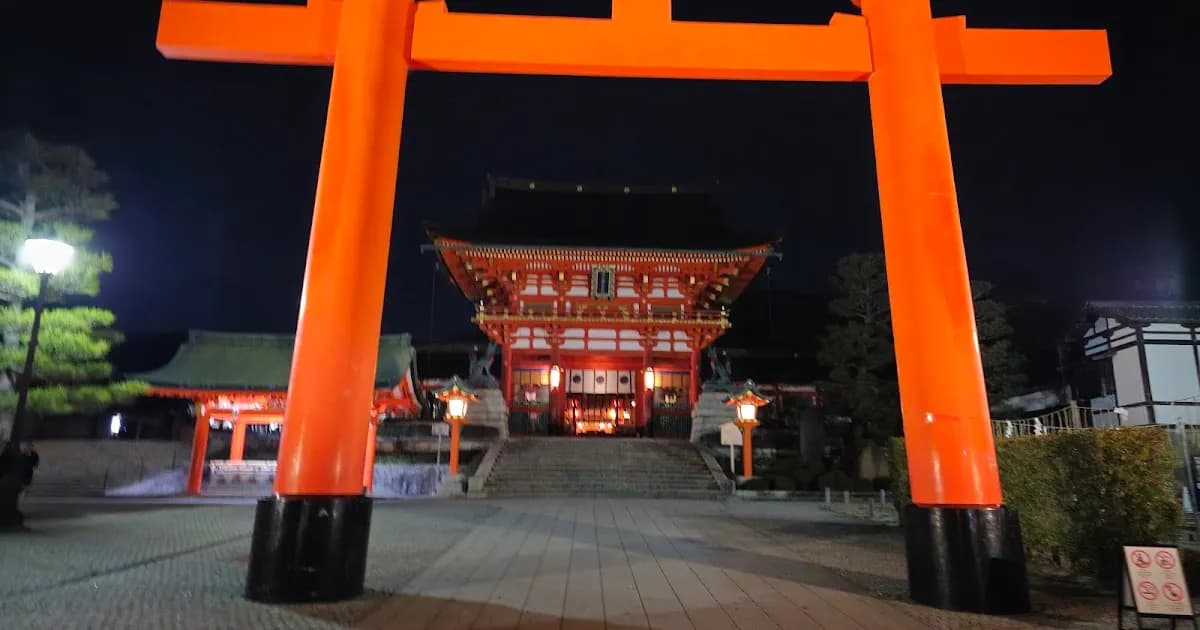
- What: The 10,000 orange torii gates shrine. Free entry.
- Why it's special: The hike through tunnels of gates up the mountain is legitimately otherworldly. Takes 2-3 hours to reach the summit.
- Timing hack: Go at 6am or after 5pm. Mid-day it's a conga line of tourists. I've done the summit hike at sunrise and had entire sections to myself.
- Access: JR Nara Line to Inari Station (5 min from Kyoto Station), or Keihan Line to Fushimi-Inari Station.
Kinkaku-ji (金閣寺, Golden Pavilion)
- What: Gold-leafed temple reflected in a pond. ¥500 entry.
- Why it's special: It's genuinely gorgeous, and the garden around it is immaculate.
- Timing hack: Get there at 9am opening. By 10:30am it's shoulder-to-shoulder. The path is one-way so you can't escape the crowd.
- Real talk: This is a photo stop. You'll be in and out in 30 minutes.
Kiyomizu-dera (清水寺)
- What: Wooden temple on a hillside with panoramic city views. ¥400 entry.
- Why it's special: The wooden stage (currently under renovation until March 2026, but still open) and the approach through Higashiyama district is peak Kyoto.
- Timing hack: Evening illuminations during special seasons (spring, fall) are magical and less crowded than daytime. Check Kiyomizu-dera's official site for dates.
Tier 2: Great If You Have Time
| Temple | Entry Fee | Why Go |
|---|---|---|
| Ginkaku-ji (Silver Pavilion) | ¥500 | Not actually silver, but the moss garden is perfect. Start of Philosopher's Path. |
| Ryoan-ji | ¥500 | Famous zen rock garden. Meditative if you arrive early, frustrating if crowded. |
| Nanzen-ji | Free (¥600 for garden) | Massive temple gate, aqueduct ruins, sub-temples with private gardens. |
| Tofuku-ji | ¥600 | Best fall foliage in Kyoto. Skip outside November. |
| Sanjusangendo | ¥600 | 1,001 golden Buddha statues in a row. Genuinely impressive. |
💡 Money-saving tip: Most temples charge ¥400-600 entry. If you're doing 5+ temples, that's ¥2,500-3,000. No multi-temple pass exists in Kyoto (unlike Nara). Prioritize ruthlessly or accept the cost.
Tier 3: Skip Unless You're a Temple Nerd
Gion's back-street temples, random neighborhood shrines, and anything requiring a 45+ minute bus ride for "fewer crowds" — your time is better spent enjoying the famous destination in Japan highlights and soaking in the atmosphere with good food.
Food: Where Locals Actually Eat
For famous destination in japan, tourist trap restaurants in Gion charge ¥4,000 for a kaiseki set that tastes like airport food. Here's where to eat instead.
Breakfast
Most Japanese hotels include breakfast (¥1,500-2,500 value). If not:
- Inoda Coffee (downtown, multiple locations): Old-school Kyoto coffee shop, ¥1,200 morning set with toast/eggs/salad/coffee. Locals read newspapers here.
- Convenience store: Lawson/Family Mart onigiri (rice balls) ¥130-180, coffee ¥150. Grab and go.
Lunch
Nishiki Market (錦市場): 400m covered food market. Peak tourist trap potential, but here's the move: skip the ¥800 skewers at the entrance. Walk to the middle and hit:
- Nishiri (tofu donbuts): ¥980
- Daiyasu (tamagoyaki, sweet egg omelet): ¥500
- Aritsugu (knife shop with a lunch counter): ¥1,200 teishoku set
Omen Kodai-ji: Udon near Kiyomizu-dera, ¥1,400, thick handmade noodles. Tourist-friendly but actually good. Book ahead.
Ramen:
- Gogyo (Kawaramachi): ¥980 burnt miso ramen, open until 2am.
- Tenkaippin: Kyoto chain, thick tonkotsu, ¥880, multiple locations.
Dinner
Pontocho Alley: Narrow alley along the Kamo River. In summer, restaurants open riverside terraces (川床, kawadoko). Atmosphere is unbeatable, but expect ¥5,000-8,000 per person. Worth it once.
Izakaya (Japanese pub):
- Torikizoku: Chain, everything ¥380, yakitori (grilled chicken skewers), beer ¥320. No English menu but picture menu works.
- Sake Bar Yoramu: Craft sake bar downtown, ¥600-900 per glass, small plates ¥500-1,200. Owner speaks English.
Gyoza: Gyoza Hohei (餃子の王将 isn't the famous one — search for ぎょうざの店ほうせい). Hole-in-the-wall, ¥660 for 12 gyoza + beer. Cash only.
Kaiseki (splurge): If you're doing one fancy meal, Kikunoi (Michelin 3-star, ¥25,000+, reserve weeks ahead) or Gion Karyo (¥18,000, easier to book).
💡 Language hack: Most mid-range restaurants have tablet ordering systems with photos now. Point and tap. At small local spots, learn three phrases:
- "Osusume wa nan desu ka?" (おすすめは何ですか?) = What do you recommend?
- "Kore kudasai" (これください) = I'll take this [point at menu]
- "Oishikatta desu" (美味しかったです) = That was delicious [when paying]
Japanese Public Baths (Sento & Onsen)
Kyoto has real neighborhood bathhouses (銭湯, sento) that tourists rarely visit but locals use daily. Entry is ¥500-900.
Funaoka Onsen (船岡温泉): 100-year-old bathhouse with carved wood ceilings, outdoor rotenburo bath, ¥490. North of downtown. Google Maps.
Etiquette basics:
- Pay at the front, separate entrances for men (男) and women (女).
- Strip completely in the changing room, put clothes in a basket.
- Wash thoroughly at the sitting shower stations BEFORE entering the bath.
- Small towel (provided) goes on your head or by the bath — never in the water.
- No tattoos officially, but small ones are usually ignored in neighborhood sento (not in fancy onsen resorts).
This is a quintessential local experience and costs less than a latte.
The 4-Day Itinerary That Actually Works
For famous destination in japan, this assumes you're staying centrally (Kawaramachi area). Adjust bus routes if staying elsewhere.
Day 1: Eastern Kyoto Temple Loop
- 7:00am: Fushimi Inari hike (2-3 hours). Beat the crowds.
- 10:30am: Train back, grab convenience store snacks.
- 12:00pm: Ginkaku-ji (Silver Pavilion), then walk the Philosopher's Path (哲学の道) south — 2km canal-side path through quiet neighborhoods. Takes 40 minutes leisurely.
- 2:00pm: Nanzen-ji temple complex. Explore the aqueduct, have matcha tea at a sub-temple garden (¥800 with wagashi sweet).
- 4:30pm: Continue south to Heian Shrine (free entry to grounds, ¥600 for garden).
- 6:30pm: Dinner in Pontocho Alley or Gion. Walk around Gion at night (Hanami-koji Street) — you might spot geiko/maiko heading to appointments.
Budget: Temple entries ¥2,000, lunch ¥1,000, dinner ¥3,000, transport ¥700 bus pass = ¥6,700
Day 2: Western & Northern Kyoto
- 8:30am: Bus #101 or #205 to Kinkaku-ji (Golden Pavilion). Get there at opening.
- 10:00am: Bus #12 to Ryoan-ji (rock garden).
- 12:00pm: Lunch near Kitano-Tenmangu area (local neighborhood, no tourists, cheap teishoku sets ¥900).
- 1:30pm: Bus/train to Arashiyama. Bamboo grove (free), Tenryu-ji temple (¥500).
- 3:30pm: Cross Togetsukyo Bridge, hike up to Monkey Park Iwatayama (¥600, 20-min uphill walk, great views, wild monkeys you can feed for ¥100).
- 5:00pm: Return to central Kyoto. Relax at Funaoka Onsen sento (¥490).
- 7:00pm: Izakaya dinner near your hotel.
Budget: Entries ¥1,600, lunch ¥1,000, sento ¥500, dinner ¥2,500, transport ¥700 = ¥6,300
Day 3: Day Trip — Nara or Osaka
With a JR Japan Rail Pass or local train pass:
Nara (45 min by JR): Todai-ji temple (giant Buddha, ¥600), free-roaming deer in Nara Park, Kasuga Taisha shrine. Quiet, less crowded than Kyoto. Back by 4pm.
Osaka (30 min): Osaka Castle (¥600), Dotonbori food chaos, Kuromon Market. More urban, great street food. Different energy from Kyoto.
Or stay in Kyoto and do:
- Kiyomizu-dera + Higashiyama district walking (full morning)
- Nijo Castle (¥1,300, former shogun palace with "nightingale floors" that squeak to prevent ninja assassins)
- Downtown shopping/Nishiki Market afternoon
Budget: Day trip transport ¥2,000-3,000, entries ¥1,500, meals ¥2,500 = ¥6,000-7,000
Day 4: Off-the-Beaten-Path Kyoto
- 9:00am: Tofuku-ji (best in November, but gardens are nice year-round, ¥600).
- 11:00am: Fushimi Sake District — tour Gekkeikan Okura Sake Museum (¥600, includes tasting). Fushimi has 30+ sake breweries using pure underground water.
- 1:00pm: Lunch at a local spot in Fushimi.
- 2:30pm: Sanjusangendo (1,001 Buddhas, ¥600).
- 4:00pm: Free time: shopping in Teramachi/Shinkyogoku covered arcades, or rent a bicycle and explore the Kamo River paths.
- 6:00pm: Splurge dinner or try conveyor belt sushi (回転寿司, kaitenzushi) — Kura Sushi has English tablets, ¥130-500 per plate.
Budget: Entries ¥1,800, lunch ¥1,200, dinner ¥2,500, transport ¥700 = ¥6,200
💡 Pro tip: If you're feeling temple'd out, skip a temple and spend an afternoon in a traditional tea house doing a tea ceremony (¥3,000-5,000). En near Kodai-ji offers English ceremonies, book online.
The Japan Rail Pass Question
For famous destination in japan, the Japan Rail Pass covers:
- Narita/Haneda to Tokyo (¥3,000+ value)
- Tokyo to Kyoto shinkansen (¥13,000 one-way)
- Kyoto to Hiroshima, Osaka, Nara on JR lines
- JR local trains in Kyoto (limited routes)
7-day pass: ¥50,000 (as of 2024, prices change)
Do the math: If you're doing Tokyo → Kyoto → Osaka → back to Tokyo, that's ~¥30,000 in shinkansen tickets alone. The pass pays for itself. Plus it covers the Haruka train from Kansai Airport.
But if you're only doing Kyoto + Osaka, skip it. Local trains are ¥320-880 per trip.
The jr japan pass must be purchased before arriving in Japan (exchange order), then activated at a JR office in Japan. Don't miss this step.
Budget Breakdown: What You'll Actually Spend
| Category | Budget | Mid-Range | Comfort |
|---|---|---|---|
| Accommodation | ¥4,000 (hostel dorm) | ¥10,000 (business hotel) | ¥20,000 (ryokan/boutique) |
| Food | ¥2,500 (convenience + ramen) | ¥5,000 (mix of casual/nice) | ¥10,000 (kaiseki dinner) |
| Transport | ¥700 (bus pass) | ¥1,500 (bus + occasional taxi) | ¥3,000 (taxis, comfort) |
| Entries/Activities | ¥1,500 (3 temples) | ¥2,500 (5 temples + museum) | ¥5,000 (temples + experiences) |
| Misc | ¥800 (snacks, drinks) | ¥1,500 (shopping, coffee) | ¥3,000 (souvenirs, treats) |
| TOTAL/DAY | ¥9,500 (~$65 USD) | ¥20,500 (~$140 USD) | ¥41,000 (~$280 USD) |
These are realistic 2026 prices. Most first-timers land in the ¥12,000-18,000/day range.
When to Go (And When to Absolutely Avoid)
Best months:
- Late November: Fall foliage is insane. Tofuku-ji, Eikando, Arashiyama are on fire (literally, the colors). Expect crowds but worth it.
- Early June: Rainy season (梅雨, tsuyu), but tourist numbers drop 60%. Hydrangea season at temples like Mimuroto-ji. Bring an umbrella.
- January-February: Cold (5-10°C) but empty. Some temples have snow, which is gorgeous. Cheapest hotels.
Worst months:
- Late March - early April: Cherry blossom season. Hotels triple in price, every famous destination in Japan is overrun, reservations impossible. Unless you booked 6 months ahead, skip it.
- July-August: Humid hell. 35°C (95°F) with 80% humidity. Gion Matsuri festival in July is cool but you'll be drenched in sweat.
- Golden Week (April 29-May 7): Japanese national holidays. Domestic tourists flood Kyoto. Everything is booked.
Things That Surprised Me (After 10 Years)
Kyoto is not walkable the way you think: Temples are spread out. The "eastern Kyoto walk" from Ginkaku-ji to Kiyomizu-dera is 5km+ with hills. Wear good shoes.
English is rough: Tokyo has spoiled travelers. In Kyoto, especially at local restaurants and shops, English is minimal. Download Google Translate's offline Japanese pack. Learn to read katakana (the alphabet used for foreign words) — it helps decode menus.
Gion geisha sightings are rare and awkward: Yes, you might see a maiko (apprentice geisha) rushing to an appointment around 6pm near Hanamikoji Street. No, you shouldn't chase her for a photo. They're working. Enjoy the glimpse and move on. There are plenty of tourists dressed in rental kimono — don't confuse them for the real thing.
The "traditional" experience costs money: Real tea ceremony, kaiseki dinner, ryokan stay with onsen — these aren't cheap. Budget ¥15,000-30,000 if you want the full experience. It's worth doing once, but don't feel obligated to do everything.
Mount Fuji is visible from... nowhere in Kyoto: I mention this because a shocking number of first-timers think Kyoto and Mount Fuji are close. Fuji is near Tokyo, 5 hours away by train. If mount fuji trekking is on your list, base yourself in Tokyo/Hakone/Kawaguchiko.
Planning More Travel?
For famous destination in japan, kyoto is often part of a bigger Japan loop. If you're extending your trip:
- TravelPlanKorea.com: Done with Japan? Korea is 2 hours away — Seoul and Busan are massively underrated and way cheaper than Tokyo/Kyoto.
- TravelPlanUS.com: More travel tips on our US site — especially West Coast itineraries if you're flying through San Francisco/LA.
- TravelPlanEU.com: Heading to Europe next? We cover the edinburgh fringe festival, spain gothic quarter, and other European highlights.
Other famous destination in japan options to combine with Kyoto:
- Hiroshima (90 min by shinkansen): Peace Memorial, Miyajima Island with floating torii gate (though honestly less impressive than Fushimi Inari).
- Kanazawa (2 hours): Kenrokuen Garden, traditional geisha districts, fewer tourists than Kyoto.
- Takayama/Shirakawa-go: Mountain villages with thatched-roof houses. Feels like stepping into old Japan, like aurora village in yellowknife has that frontier isolation vibe, but Japanese style.
FAQ
Q. Is 3 days enough for Kyoto?
For famous destination in japan, three days covers the highlights but feels rushed. You'll hit Fushimi Inari, Golden Pavilion, Gion, maybe Arashiyama, and one day trip. You won't have time for the quieter temples, sake breweries, or proper japanese public baths experiences.
Four to five days is the sweet spot — enough to see major sites without sprinting, plus time to wander neighborhoods and eat well. If you only have 3 days, skip the day trip and focus on Kyoto proper.
Q. Do I need to book teFor famous destination in japan, mples or activities in advance?
Most temples don't require (or even allow) advance booking — you just show up and pay at the entrance. The exceptions are tea ceremony experiences, kaiseki restaurants (especially Michelin-starred ones), and any private tours.
If you're visiting during peak season (fall foliage or cherry blossoms), book hotels and any special dining 2-3 months ahead. The rest can be spontaneous. The teamlab borderless mori building digital art museum in Tokyo requires timed tickets, but Kyoto's tempFor famous destination in japan, les are all walk-in.
Q. Can I use a credit card everywhere?
For famous destination in japan, cash is still king in Kyoto. Bring yen. ATMs that accept foreign cards are at 7-Eleven, Lawson, and post offices (look for 郵便局, yuubinkyoku).
Most temples, small restaurants, and local shops are cash-only. Budget hotels and chain restaurants take cards. I carry ¥20,000-30,000 cash at any given time and refill at 7-Eleven ATMs (¥220 withdrawal fee usually).
Q. What should I pack for Kyoto?
Essential gear:
- Comfortable walking shoes (you'll do 15,000+ steps daily)
- Small day backpack for temple hopping
- Portable phone charger (Anker 20000mAh on Amazon, ~$50)
- Umbrella (year-round — sudden rain is common)
- Cash wallet separate from your main wallet
Seasonal:
- Spring/Fall: Layers (mornings are cool, afternoons warm)
- Summer: Light, breathable clothes, hat, sunscreen
- Winter: Warm coat, scarf (temples are outdoors, no heating)
Don't bother packing: Toiletries (buy at drugstores for cheap), bulky towels (hotels provide them, eveFor famous destination in japan, n hostels). Japan's convenience stores have everything.
Q. IsFor famous destination in japan, Kyoto safe for solo travelers?
Extremely safe. Japan has one of the lowest crime rates globally. I've walked around central Kyoto at 2am as a solo traveler countless times — never felt unsafe.
The biggest "safety" concerns are:
- Getting lost (Google Maps works perfectly, even offline)
- Dehydration in summer (vending machines everywhere, ¥150 for water)
- Bicycle accidents (bike lanes are suggestions, not rules — stay alert)
Women traveling solo report feeling safer in Japan than almost anywhere else. Usual common sense applies (don'tFor famous destination in japan, leave bags unattended, watch your drinks), but Kyoto is about as For famous destination in japan, low-risk as it gets.
Q. Should I rent a kimono for the day?
It's a very touristy thing to do — you'll see hundreds of people in rental kimono around Gion and Kiyomizu-dera. Costs ¥3,000-6,000 for a day rental including hair styling.
If it sounds fun, go for it. But know that actual kimono are complex garments that take 30+ minutes to put on properly, and the rental versions are simplified yukata or polyester kimono that locals can spot immediately. You'll also walk slowly (the sandals and tight wrapping make normal walking impossible) and won't be comfortable going into restaurants or doing temple hikes.
I've tried it once — it's a fun photo op, but it killed half my day. If you're only in Kyoto 3 days, I'd skip it and use that time actually seeing things. If you have 5+ days and want the experience, go for it on a slower morning.
Bottom line: Kyoto is the most famous destination in Japan for good reason, but it rewards planning and timing. Go early or late, avoid peak seasons, eat away from Gion, and mix the big-name temples with quiet neighborhood wandering. Do that, and you'll understand why I keep coming back after a decade in Japan.
Budget 4-5 days minimum, ¥12,000-15,000 per day for a comfortable mid-range trip, and for the love of all that's holy, don't visit during cherry blossom season unless you enjoy crowds.
Safe travels. 頑張って (ganbatte) — you've got this.